

Więcej o książce
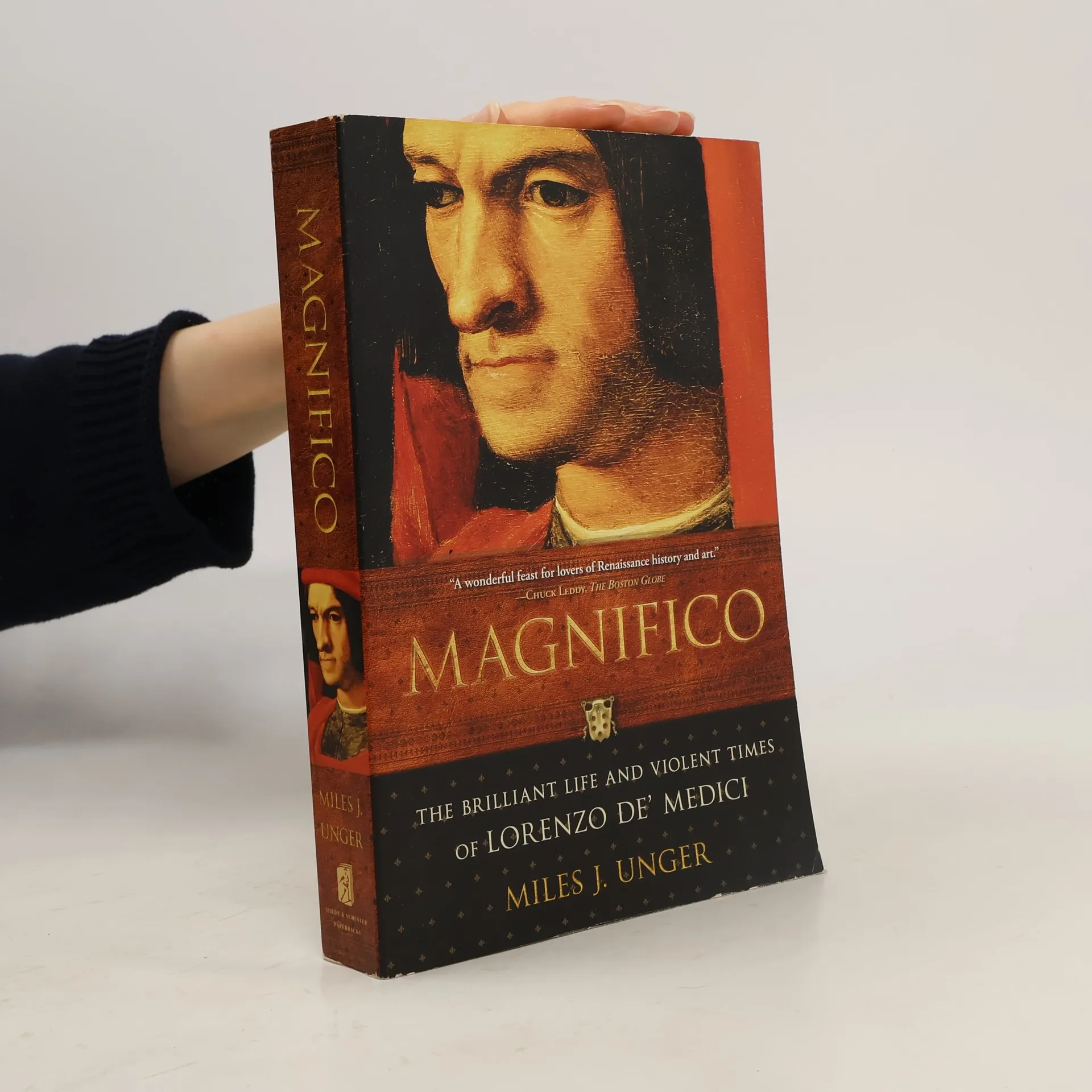
"Magnifico is a vividly colorful portrait of Lorenzo de' Medici, the uncrowned ruler of Florence during its golden age. A true "Renaissance man," Lorenzo dazzled contemporaries with his prodigious talents and magnetic personality. Known to history as Il Magnifico (the Magnificent), Lorenzo was not only the foremost patron of his day but also a renowned poet, equally adept at composing philosophical verses and obscene rhymes to be sung at Carnival. He befriended the greatest artists and writers of the time - Leonardo, Botticelli, Poliziano, and, especially, Michelangelo, whom he discovered as a young boy and invited to live at his palace - turning Florence into the cultural capital of Europe. He was the leading statesman of the age, the fulcrum of Italy, but also a cunning and ruthless political operative. Miles Unger's biography of this complex figure draws on primary research in Italian sources and on his intimate knowledge of Florence, where he lived for several years."--Jacket
Zakup książki
Magnifico: The Brilliant Life and Violent Times of Lorenzo De' Medici, Miles J. Unger
- Język

- Rok wydania
- 2009
- Oprawa
- (miękka)
Metody płatności
Brakuje nam tutaj Twojej recenzji.
- Tytuł
- Magnifico: The Brilliant Life and Violent Times of Lorenzo De' Medici
- Język
- angielski
- Autorzy
- Miles J. Unger
- Wydawca
- Simon & Schuster
- Rok wydania
- 2009
- Oprawa
- miękka
- ISBN10
- 074325435X
- ISBN13
- 9780743254359
- Seria
- Ocena
- 3,95 z 5
- Opis
- "Magnifico is a vividly colorful portrait of Lorenzo de' Medici, the uncrowned ruler of Florence during its golden age. A true "Renaissance man," Lorenzo dazzled contemporaries with his prodigious talents and magnetic personality. Known to history as Il Magnifico (the Magnificent), Lorenzo was not only the foremost patron of his day but also a renowned poet, equally adept at composing philosophical verses and obscene rhymes to be sung at Carnival. He befriended the greatest artists and writers of the time - Leonardo, Botticelli, Poliziano, and, especially, Michelangelo, whom he discovered as a young boy and invited to live at his palace - turning Florence into the cultural capital of Europe. He was the leading statesman of the age, the fulcrum of Italy, but also a cunning and ruthless political operative. Miles Unger's biography of this complex figure draws on primary research in Italian sources and on his intimate knowledge of Florence, where he lived for several years."--Jacket