



Więcej o książce
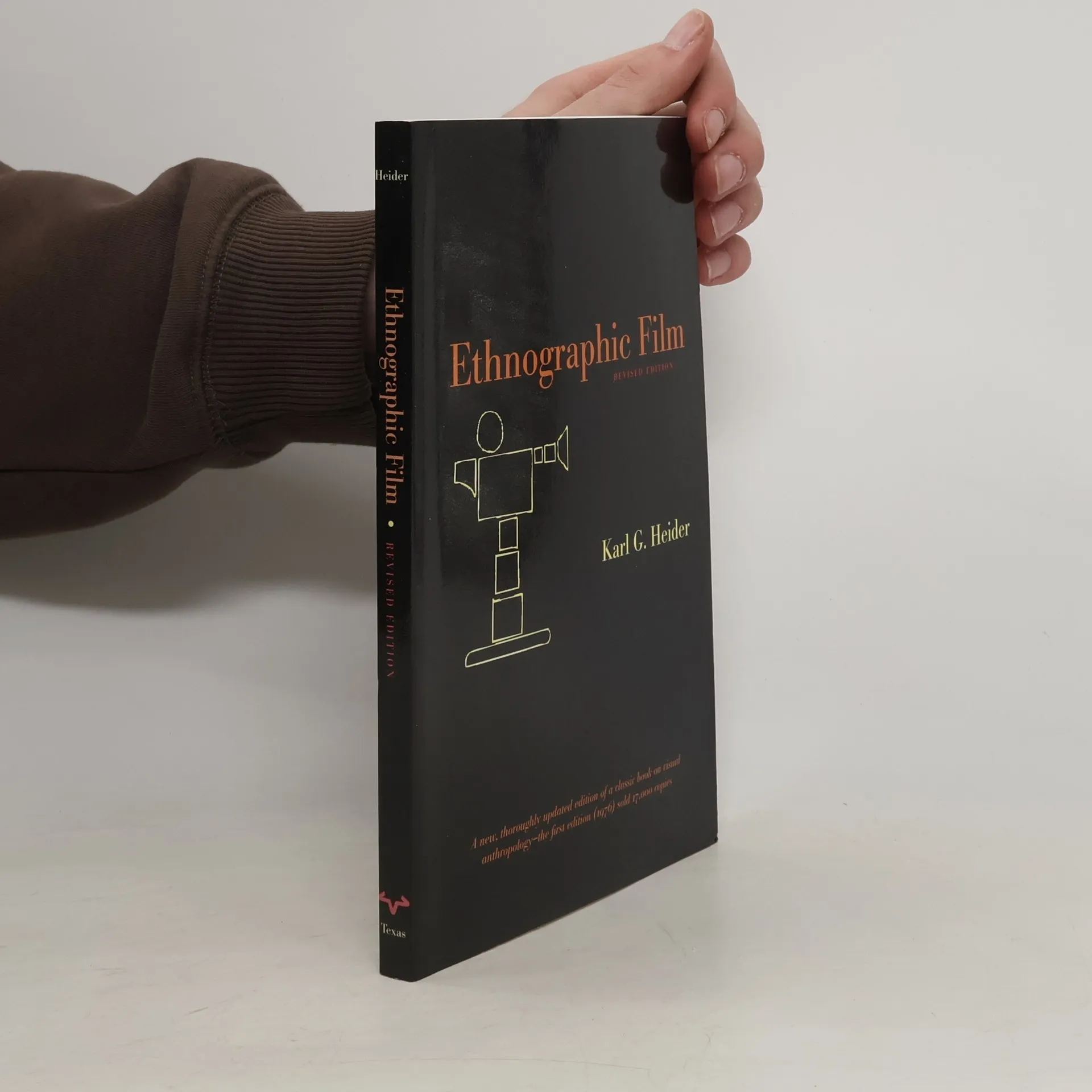
"Even before Robert Flaherty released Nanook of the North in 1922, anthropologists were producing films about the lifeways of native peoples for a public audience, as well as for research and teaching. Ethnographic Film (1976) was one of the first books to provide a comprehensive introduction to this field of visual anthropology, and it quickly became the standard reference. In this new edition, Karl G. Heider thoroughly updates Ethnographic Film to reflect developments in the field over the three decades since its publication, focusing on the work of four seminal filmmakers-Jean Rouch, John Marshall, Robert Gardner, and Timothy Asch. He begins with an introduction to ethnographic film and a history of the medium. He then considers many attributes of ethnographic film, including the crucial need to present "whole acts," "whole bodies," "whole interactions," and "whole people" to preserve the integrity of the cultural context. Heider also discusses numerous aspects of making ethnographic films, from ethics and finances to technical considerations such as film versus video and preserving the filmed record. He concludes with a look at using ethnographic film in teaching"--From publisher description.
Zakup książki
Ethnographic Film, Karl G. Heider
- Język

- Rok wydania
- 2006
- Oprawa
- (miękka)
Metody płatności
Brakuje nam tutaj Twojej recenzji.
- Tytuł
- Ethnographic Film
- Język
- angielski
- Autorzy
- Karl G. Heider
- Wydawca
- University of Texas Press
- Rok wydania
- 2006
- Oprawa
- miękka
- ISBN10
- 0292714580
- ISBN13
- 9780292714588
- Seria
- Ocena
- 3,65 z 5
- Opis
- "Even before Robert Flaherty released Nanook of the North in 1922, anthropologists were producing films about the lifeways of native peoples for a public audience, as well as for research and teaching. Ethnographic Film (1976) was one of the first books to provide a comprehensive introduction to this field of visual anthropology, and it quickly became the standard reference. In this new edition, Karl G. Heider thoroughly updates Ethnographic Film to reflect developments in the field over the three decades since its publication, focusing on the work of four seminal filmmakers-Jean Rouch, John Marshall, Robert Gardner, and Timothy Asch. He begins with an introduction to ethnographic film and a history of the medium. He then considers many attributes of ethnographic film, including the crucial need to present "whole acts," "whole bodies," "whole interactions," and "whole people" to preserve the integrity of the cultural context. Heider also discusses numerous aspects of making ethnographic films, from ethics and finances to technical considerations such as film versus video and preserving the filmed record. He concludes with a look at using ethnographic film in teaching"--From publisher description.