


Parametry
- 256 stron
- 9 godzin czytania
Więcej o książce
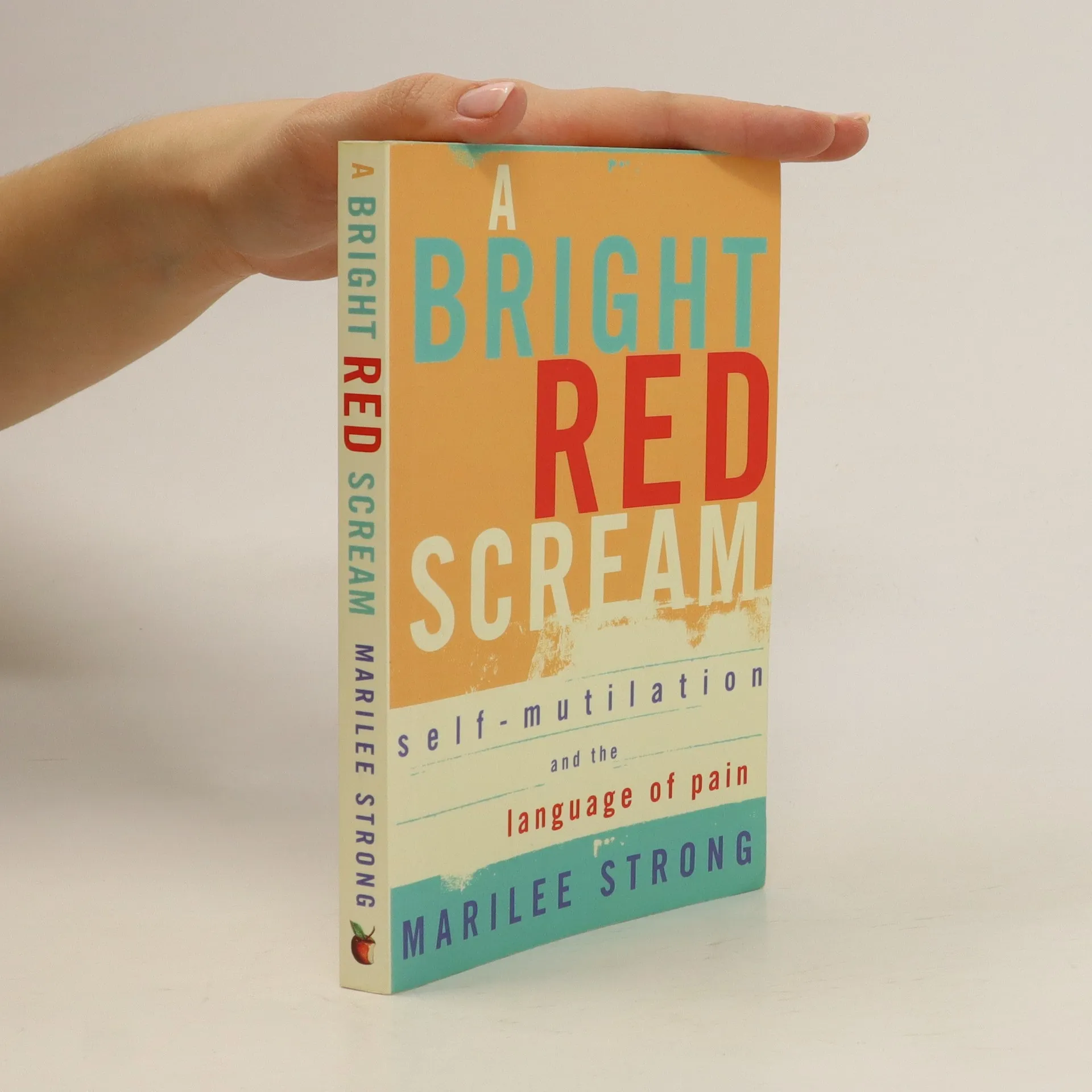
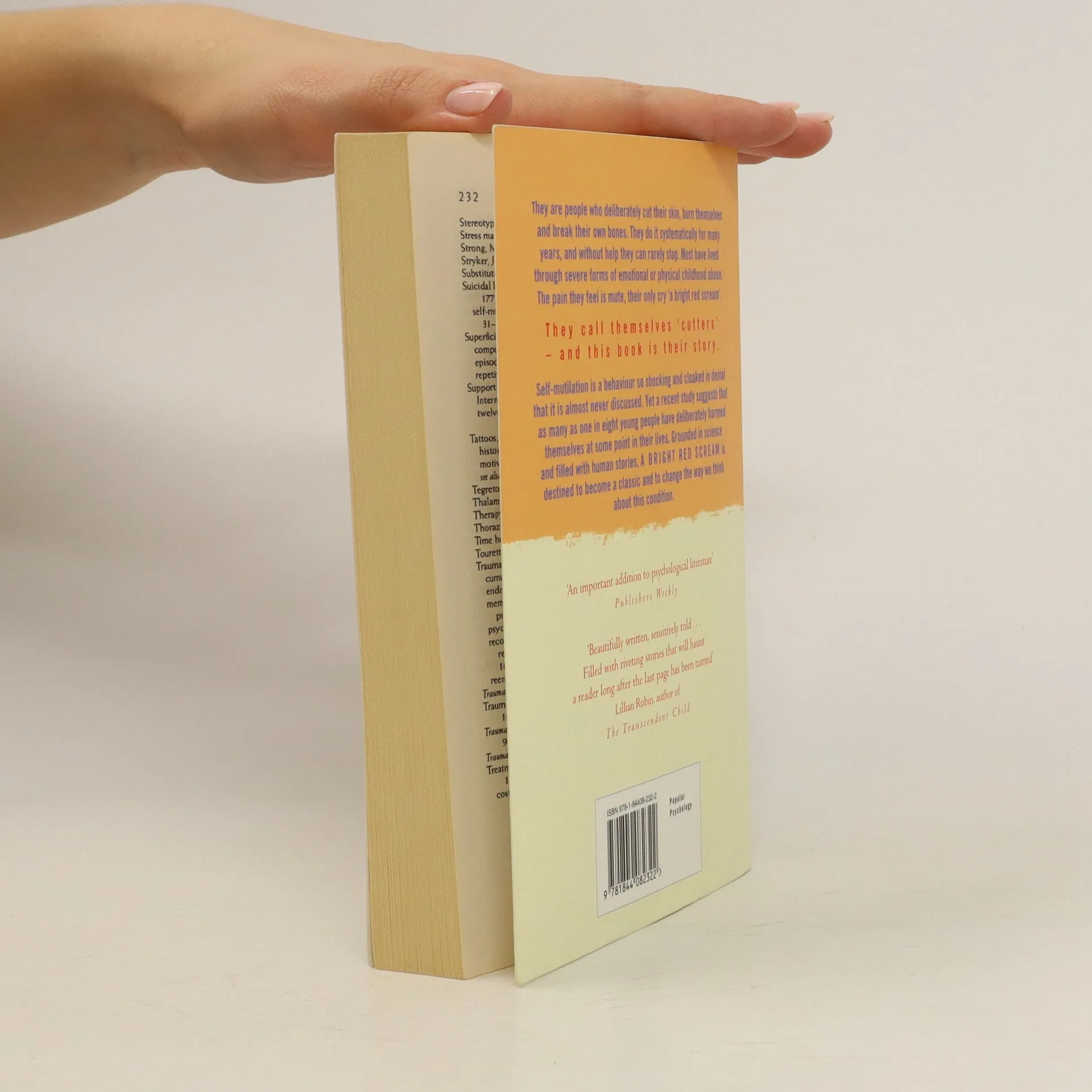
As groundbreaking as REVIVING OPHELIA and Hope Edelman's MOTHERLESS DAUGHTERS, A BRIGHT RED SCREAM is a compelling investigation of why so many people deliberately hurt themselves and what can be done to help them. This is an illness that was outed on a global scale when Princess Diana admitted hurting herself deliberately, and it continues to be practised mainly by middle-class women who start in their teens and self-harm throughout their lives. Most cutters are women who have been emotionally, sexually, or physically abused as children, but Strong's research shows that self- mutilation appears in other groups. There are powerful first-person stories, in which cutters describe their ritualistic methods and somewhat addictive cravings for seeing their own blood. Though research is in its infancy, therapists say there are now promising treatments -- from medication to intensive psychotherapy -- for the millions of 'cutters'. Strong reveals what the afflicted and those close to them can do to start a process of healing.
Zakup książki
A bright red scream, Marilee Strong
- Język

- Rok wydania
- 2005
- Oprawa
- (miękka)
Metody płatności
Brakuje nam tutaj Twojej recenzji.
- Tytuł
- A bright red scream
- Język
- angielski
- Autorzy
- Marilee Strong
- Wydawca
- Virago Press
- Rok wydania
- 2005
- Oprawa
- miękka
- Liczba stron
- 256
- ISBN10
- 1844082326
- ISBN13
- 9781844082322
- Seria
- Tagi
- Zdrowie & Medycyna, Tematyka psychologiczna, Nauka, Tematyka medyczna, Zdrowie psychiczne, Choroby psychiczne
- Ocena
- 3,9 z 5
- Opis
- As groundbreaking as REVIVING OPHELIA and Hope Edelman's MOTHERLESS DAUGHTERS, A BRIGHT RED SCREAM is a compelling investigation of why so many people deliberately hurt themselves and what can be done to help them. This is an illness that was outed on a global scale when Princess Diana admitted hurting herself deliberately, and it continues to be practised mainly by middle-class women who start in their teens and self-harm throughout their lives. Most cutters are women who have been emotionally, sexually, or physically abused as children, but Strong's research shows that self- mutilation appears in other groups. There are powerful first-person stories, in which cutters describe their ritualistic methods and somewhat addictive cravings for seeing their own blood. Though research is in its infancy, therapists say there are now promising treatments -- from medication to intensive psychotherapy -- for the millions of 'cutters'. Strong reveals what the afflicted and those close to them can do to start a process of healing.