



Więcej o książce
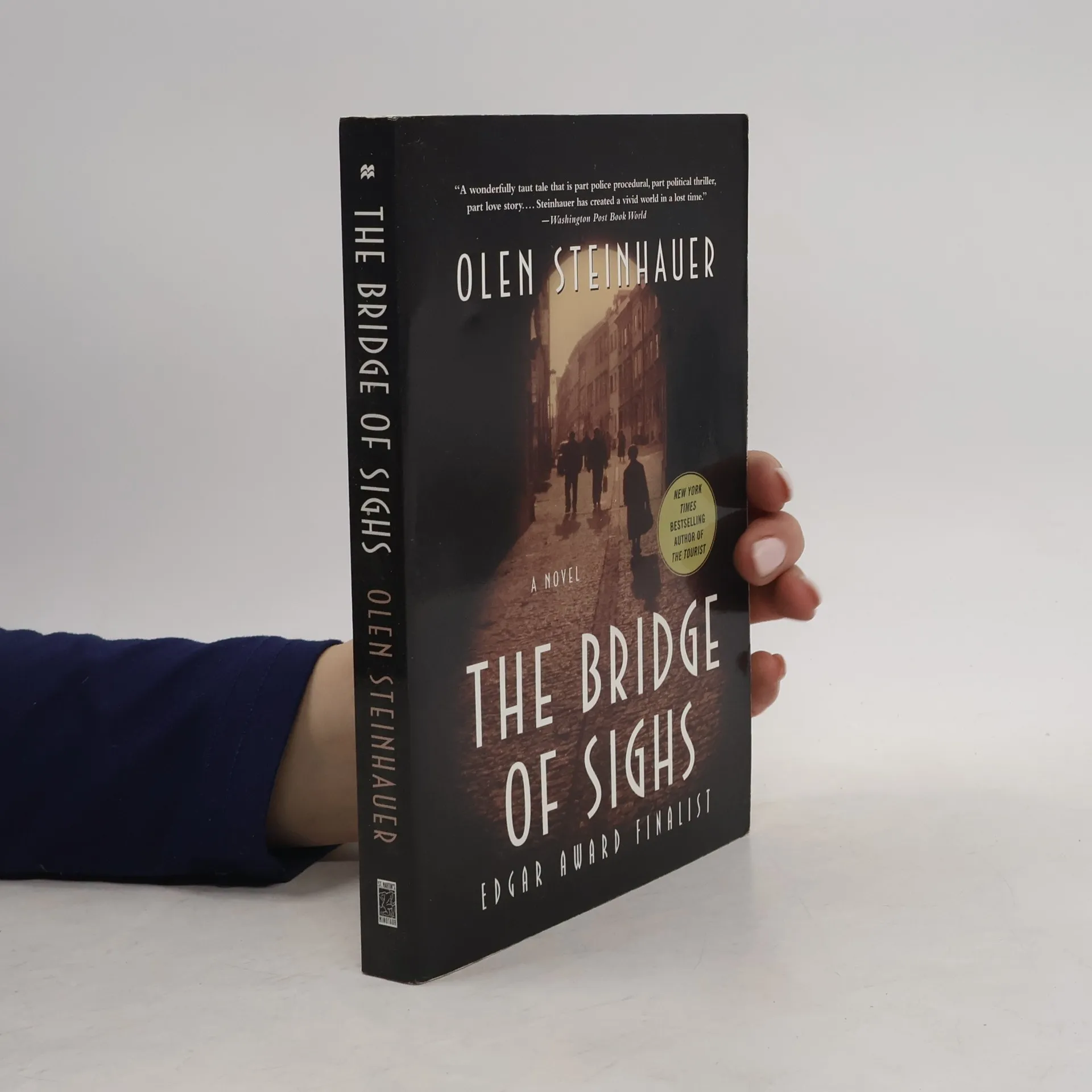
In this auspicious literary crime debut, an inexperienced homicide detective struggles amid the lawlessness of a post-WWII Eastern European city. It's August, 1948, three years after the Russians liberated this small nation from German Occupation. But the Red Army still patrols the capital's rubble-strewn streets, and the ideals of the Revolution are but memories. Twenty-two-year- old Detective Emil Brod, an eager young man who spent the war working on a fishing boat in Finland, finally gets his chance to serve his country, investigating murder for the People's Militia. The victim in Emil's first case is a state songwriter, but the evidence seems to point toward a political motive. He would like to investigate further, but even in his naivete, he realizes that the police academy never prepared him for this peculiar post-war environment, in which his colleagues are suspicious or silent, where lawlessness and corruption are the rules of the city, and in which he's still expected to investigate a murder. He is truly on his own in this new, dangerous world.
Zakup książki
The Bridge of Sighs, Olen Steinhauer
- Język

- Rok wydania
- 2004
- Oprawa
- (miękka)
Metody płatności
Brakuje nam tutaj Twojej recenzji.
- Tytuł
- The Bridge of Sighs
- Język
- angielski
- Autorzy
- Olen Steinhauer
- Wydawca
- Macmillan US
- Rok wydania
- 2004
- Oprawa
- miękka
- Liczba stron
- 288
- ISBN10
- 0312326017
- ISBN13
- 9780312326012
- Kategorie
- Tagi
- Szpiegostwo
- Ocena
- 3,7 z 5
- Opis
- In this auspicious literary crime debut, an inexperienced homicide detective struggles amid the lawlessness of a post-WWII Eastern European city. It's August, 1948, three years after the Russians liberated this small nation from German Occupation. But the Red Army still patrols the capital's rubble-strewn streets, and the ideals of the Revolution are but memories. Twenty-two-year- old Detective Emil Brod, an eager young man who spent the war working on a fishing boat in Finland, finally gets his chance to serve his country, investigating murder for the People's Militia. The victim in Emil's first case is a state songwriter, but the evidence seems to point toward a political motive. He would like to investigate further, but even in his naivete, he realizes that the police academy never prepared him for this peculiar post-war environment, in which his colleagues are suspicious or silent, where lawlessness and corruption are the rules of the city, and in which he's still expected to investigate a murder. He is truly on his own in this new, dangerous world.