

Więcej o książce
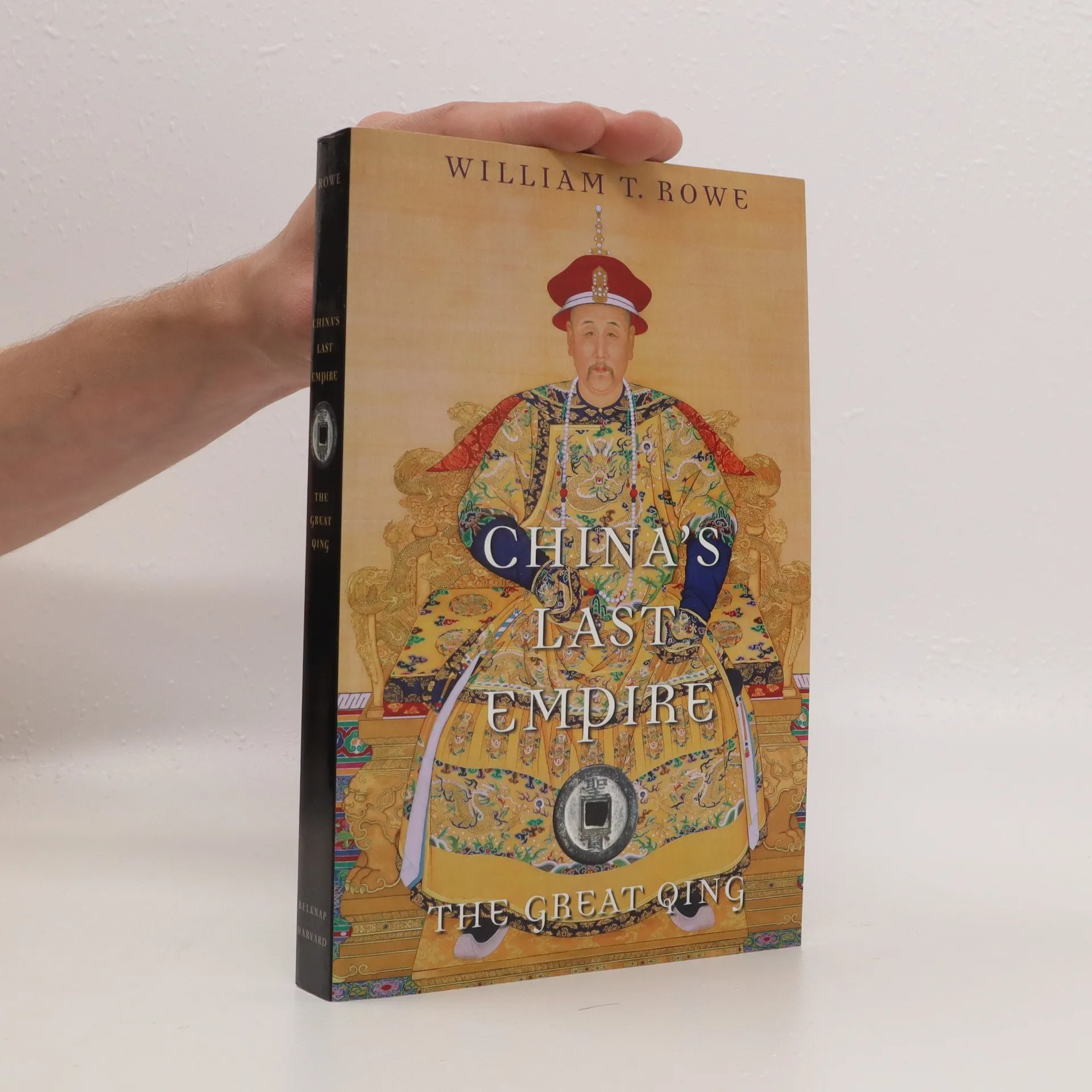
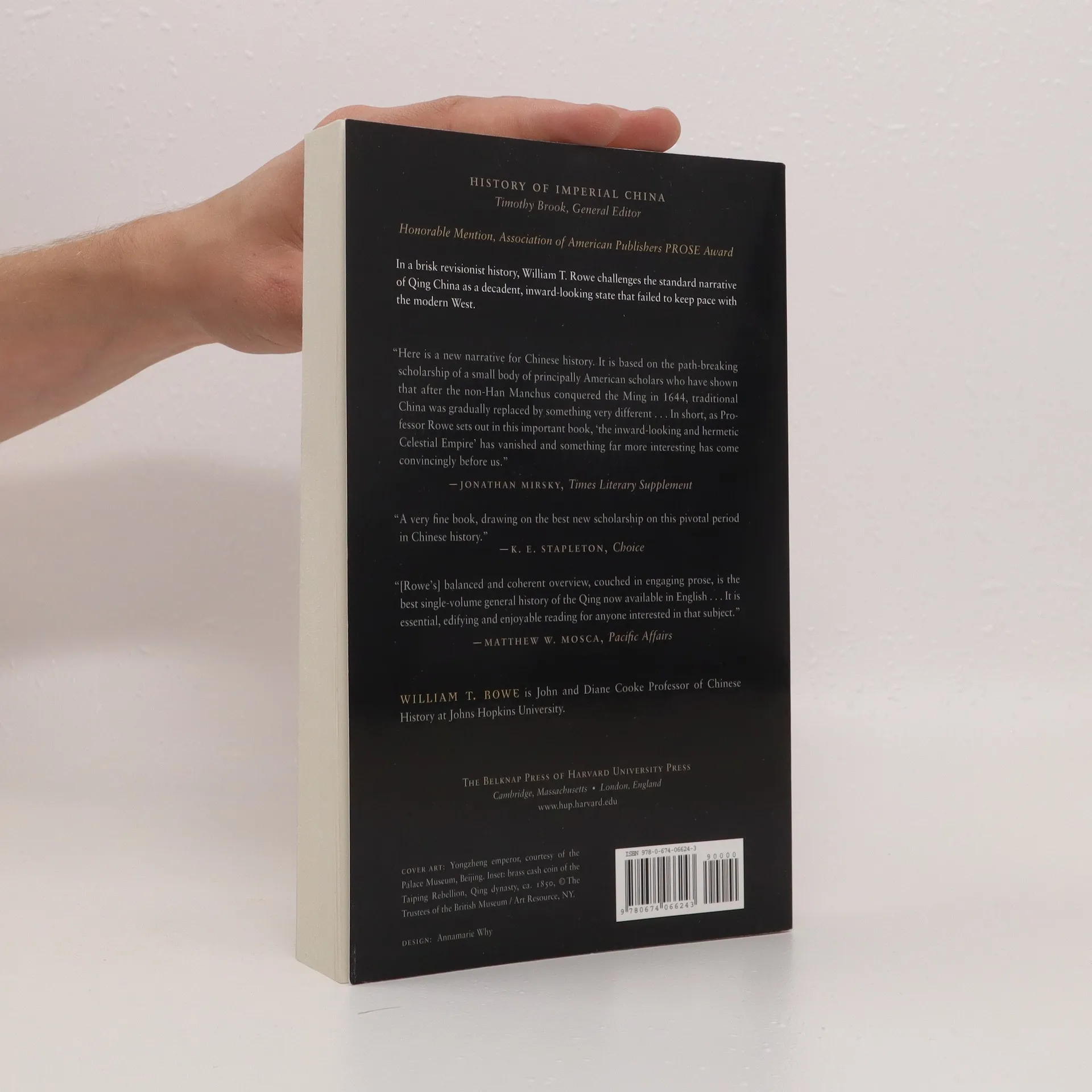
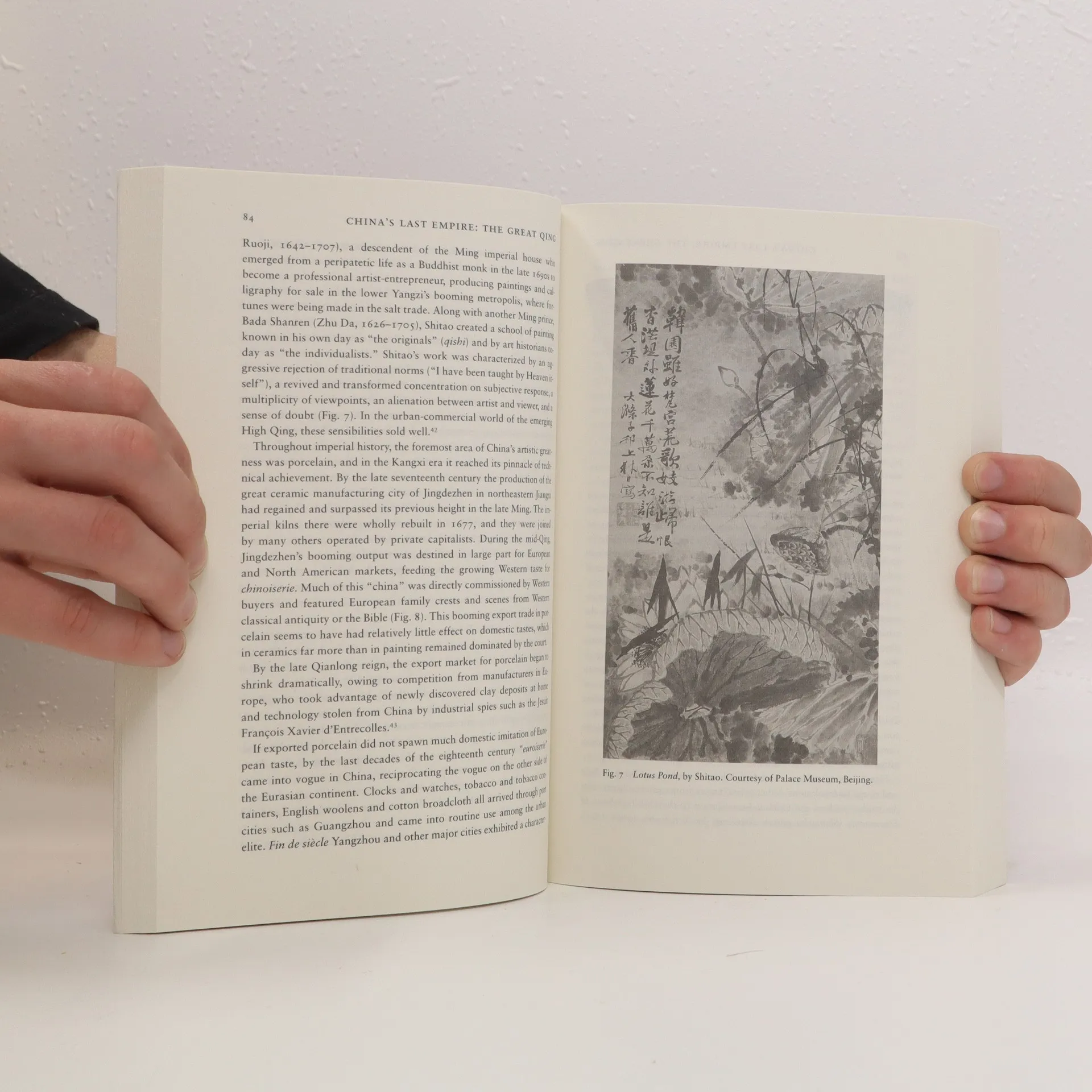
In a brisk revisionist history, William Rowe challenges the standard narrative of Qing China as a decadent, inward-looking state that failed to keep pace with the modern West. The Great Qing was the second major Chinese empire ruled by foreigners, with three strong Manchu emperors striving to secure an alliance with the conquered Ming gentry. However, many social edicts, particularly the requirement for ethnic Han men to wear queues, faced fierce resistance. Advocating for a “universal” empire, Qing rulers expanded the Chinese realm significantly over three centuries, incorporating Turkic and Tibetan peoples in the west, migrating into the southwest, and colonizing Taiwan. Despite this geographic and social complexity, the Qing ideal of “small government” functioned well during periods of minimal external threats. However, the nineteenth-century Opium Wars compelled China to engage in a predatory international contest with Western powers, while the Taiping and Boxer rebellions highlighted the urgent need for internal reform. Although comprehensive state-mandated changes in the early twentieth century could not prevent the nationalist tide of 1911, they laid a new foundation for the subsequent Republican and Communist states. This original, thought-provoking history of China’s last empire is essential for understanding the challenges facing China today.
Zakup książki
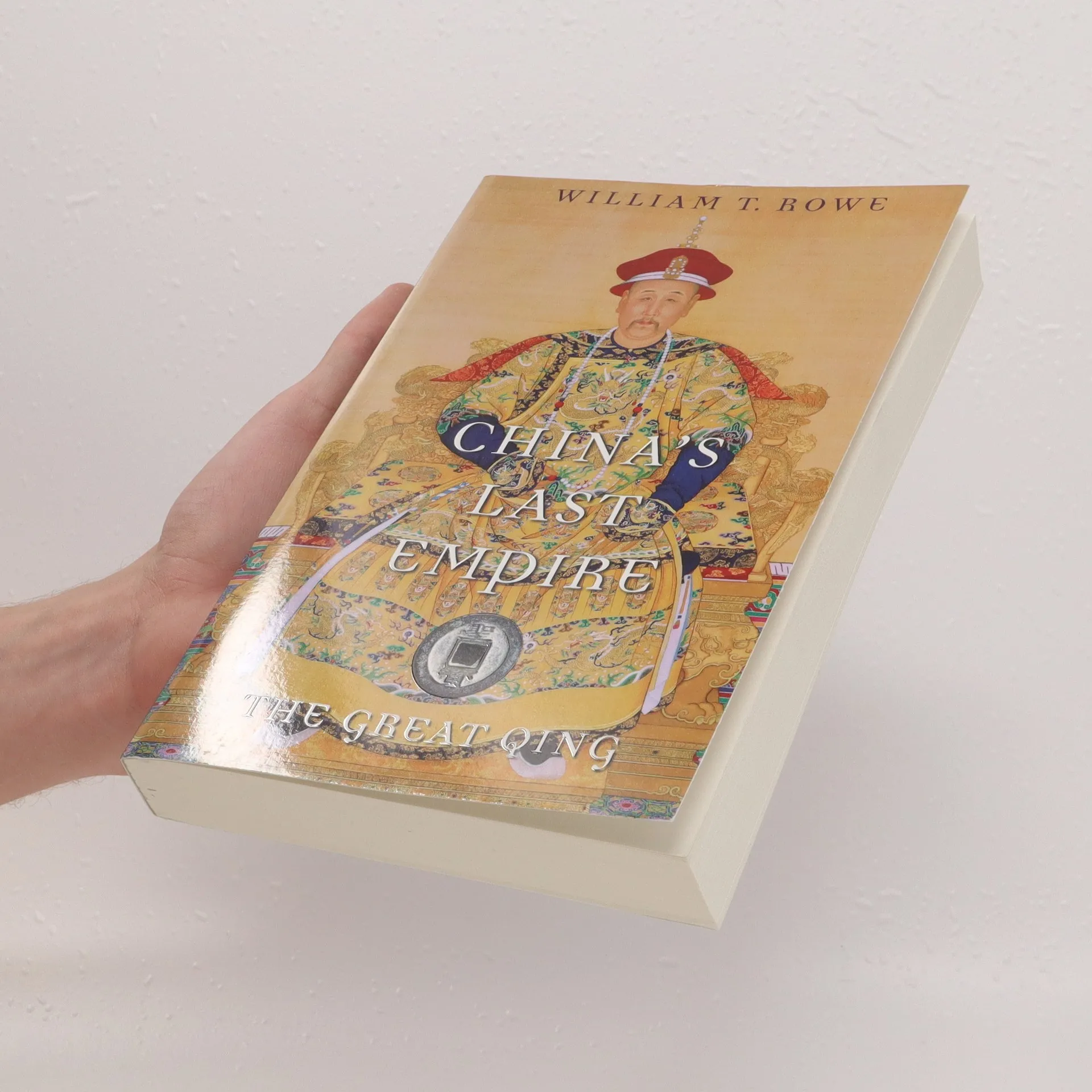
China's Last Empire - The Great Qing, William T. Rowe
- Język

- Rok wydania
- 2012
- Oprawa
- (miękka)
Metody płatności
Brakuje nam tutaj Twojej recenzji.
- Tytuł
- China's Last Empire - The Great Qing
- Język
- angielski
- Autorzy
- William T. Rowe
- Rok wydania
- 2012
- Oprawa
- miękka
- ISBN10
- 0674066243
- ISBN13
- 9780674066243
- Kolekcja
- History of imperial China
- Tagi
- Tematy historyczne, XX wiek, XIX wiek, Azja, Chiny
- Ocena
- 3,9 z 5
- Opis
- In a brisk revisionist history, William Rowe challenges the standard narrative of Qing China as a decadent, inward-looking state that failed to keep pace with the modern West. The Great Qing was the second major Chinese empire ruled by foreigners, with three strong Manchu emperors striving to secure an alliance with the conquered Ming gentry. However, many social edicts, particularly the requirement for ethnic Han men to wear queues, faced fierce resistance. Advocating for a “universal” empire, Qing rulers expanded the Chinese realm significantly over three centuries, incorporating Turkic and Tibetan peoples in the west, migrating into the southwest, and colonizing Taiwan. Despite this geographic and social complexity, the Qing ideal of “small government” functioned well during periods of minimal external threats. However, the nineteenth-century Opium Wars compelled China to engage in a predatory international contest with Western powers, while the Taiping and Boxer rebellions highlighted the urgent need for internal reform. Although comprehensive state-mandated changes in the early twentieth century could not prevent the nationalist tide of 1911, they laid a new foundation for the subsequent Republican and Communist states. This original, thought-provoking history of China’s last empire is essential for understanding the challenges facing China today.