

Więcej o książce
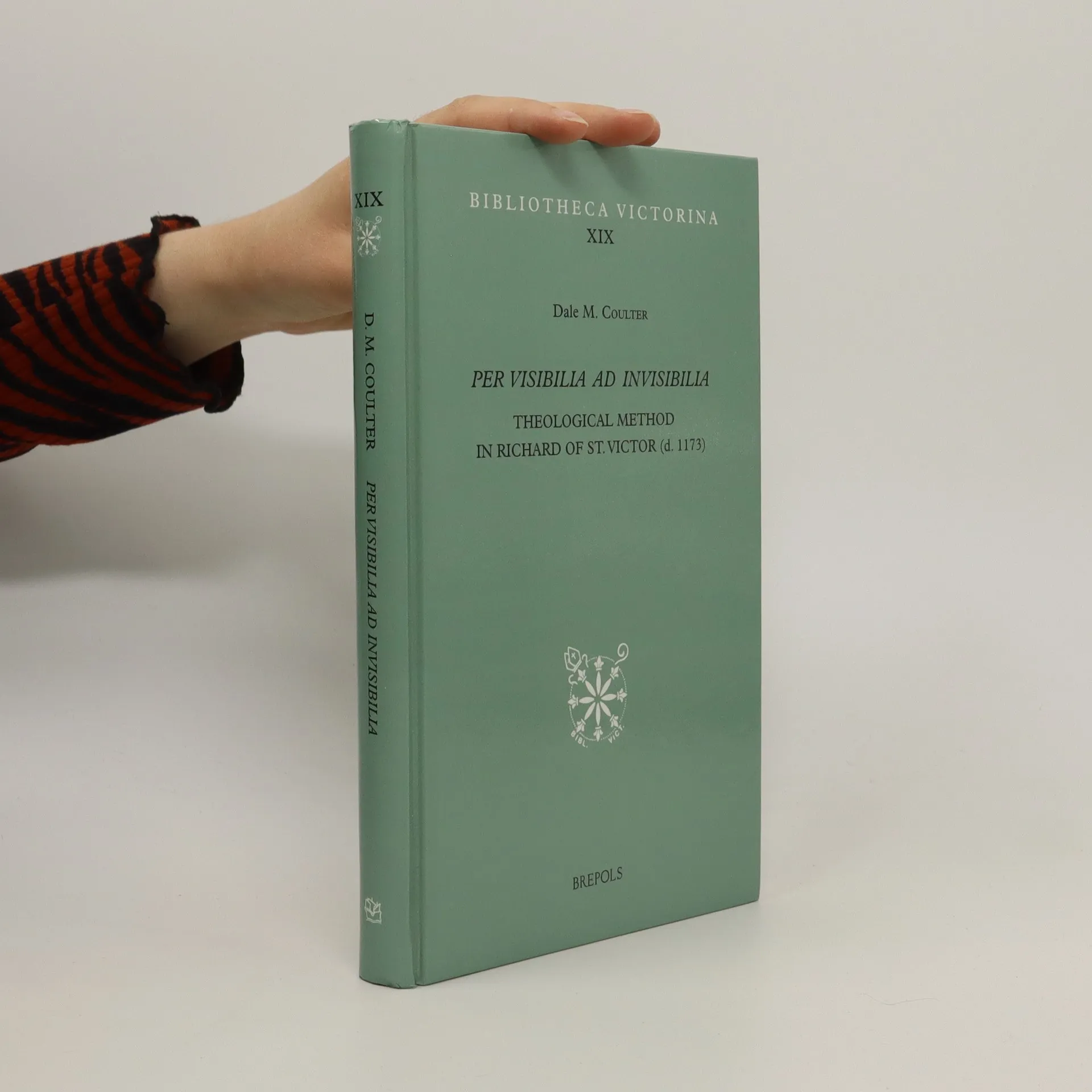
Approaching Richard of St. Victor's works through the lense of an ascent to God per visibilia ad invisibilia, the present work argues that Richard develops a consistent theological methodology that weds together an emerging academic theology with a contemplative reading of texts. This methodology begins with an attempt to understand the visible world through the medium of words, created things, and their orderly relation both in text and in creation. Coulter next discusses how Richard's investigation of the invisible world of the self, the angels, and the divine builds upon his analysis of the visible world. No longer focusing on texts, at this stage the contemplative mind must develop the appropriate intellectual skills to penetrate the mysteries of the invisible world, for which Richard offers the ark of the covenant as a rhetorical symbol. The result is a method that leads the soul to a vision of the divine per visibilia ad invisibilia.
Zakup książki
Per visibilia ad invisibilia : theological method in Richard of St. Victor, Dale M. Dale Michael Coulter
- Język

- Rok wydania
- 2006
- Oprawa
- (twarda)
Metody płatności
Brakuje nam tutaj Twojej recenzji.
- Tytuł
- Per visibilia ad invisibilia : theological method in Richard of St. Victor
- Język
- angielski
- Autorzy
- Dale M. Dale Michael Coulter
- Wydawca
- Brepols
- Rok wydania
- 2006
- Oprawa
- twarda
- Liczba stron
- 293
- ISBN10
- 2503523862
- ISBN13
- 9782503523866
- Seria
- Kategorie
- Tagi
- Ocena
- 4 z 5
- Opis
- Approaching Richard of St. Victor's works through the lense of an ascent to God per visibilia ad invisibilia, the present work argues that Richard develops a consistent theological methodology that weds together an emerging academic theology with a contemplative reading of texts. This methodology begins with an attempt to understand the visible world through the medium of words, created things, and their orderly relation both in text and in creation. Coulter next discusses how Richard's investigation of the invisible world of the self, the angels, and the divine builds upon his analysis of the visible world. No longer focusing on texts, at this stage the contemplative mind must develop the appropriate intellectual skills to penetrate the mysteries of the invisible world, for which Richard offers the ark of the covenant as a rhetorical symbol. The result is a method that leads the soul to a vision of the divine per visibilia ad invisibilia.