

Więcej o książce
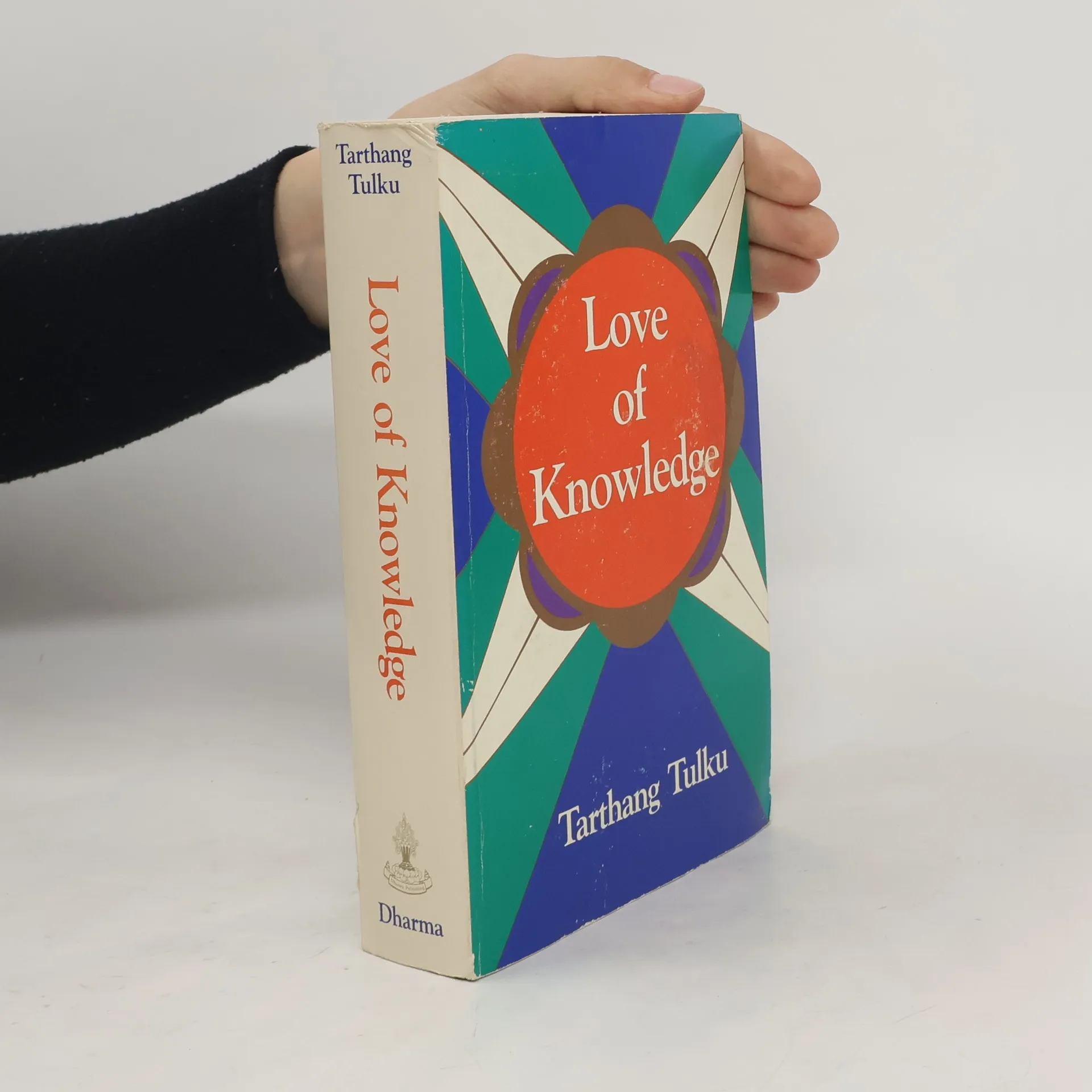
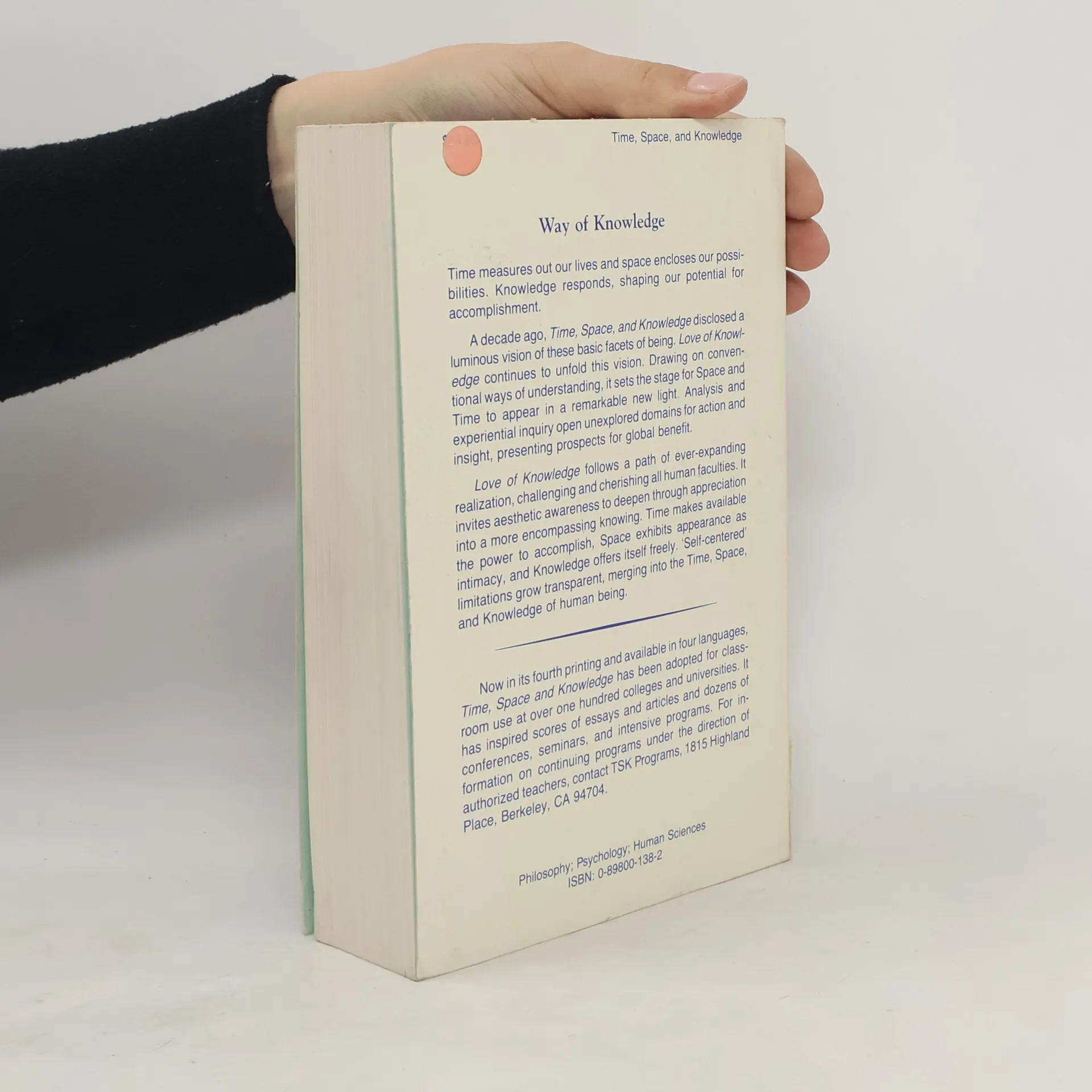
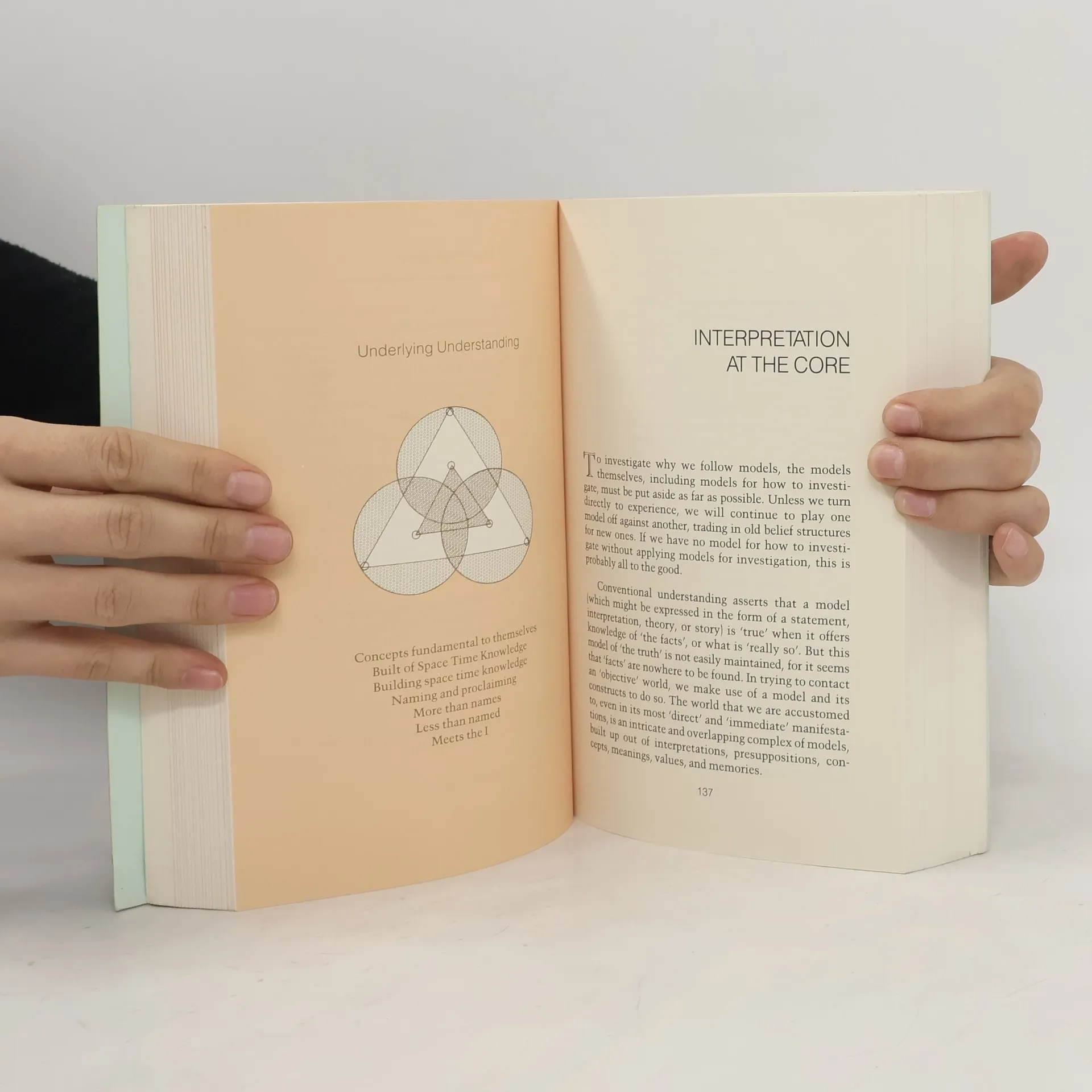
Love of Foundations, Inquiries, and Paradigms for Transformation by Tarthang Tulku opens with an investigation into "technological knowledge," the patterns of knowing we all rely on, including the all-important distinction between the public and the private realms. The inquiry then shifts to the role of the self as the one who knows. Part Three of the book investigates a way of knowing in which there are no fixed positions, while Part Four explores the new forms of knowledge that become available when this "nosource" knowledge is put into operation.Carefully structured and rigorously implemented, Love of Knowledge has proved especially useful for those with advanced training in contemporary Western styles of thinking and knowing. Drawing on analysis and experience, it challenges all conventional claims to truth. Experiential exercises, graphics, poetry, and logic combine to stimulate creativity and open new sources of knowing.
Zakup książki
Love of Knowledge, Tarthang Tulku
- Język

- Rok wydania
- 1987
- Oprawa
- (miękka)
Metody płatności
Brakuje nam tutaj Twojej recenzji.
- Tytuł
- Love of Knowledge
- Język
- angielski
- Autorzy
- Tarthang Tulku
- Wydawca
- Dharma Publishing
- Rok wydania
- 1987
- Oprawa
- miękka
- Liczba stron
- 447
- ISBN10
- 0898001382
- ISBN13
- 9780898001389
- Seria
- Tagi
- Ocena
- 4,4 z 5
- Opis
- Love of Foundations, Inquiries, and Paradigms for Transformation by Tarthang Tulku opens with an investigation into "technological knowledge," the patterns of knowing we all rely on, including the all-important distinction between the public and the private realms. The inquiry then shifts to the role of the self as the one who knows. Part Three of the book investigates a way of knowing in which there are no fixed positions, while Part Four explores the new forms of knowledge that become available when this "nosource" knowledge is put into operation.Carefully structured and rigorously implemented, Love of Knowledge has proved especially useful for those with advanced training in contemporary Western styles of thinking and knowing. Drawing on analysis and experience, it challenges all conventional claims to truth. Experiential exercises, graphics, poetry, and logic combine to stimulate creativity and open new sources of knowing.