




Więcej o książce
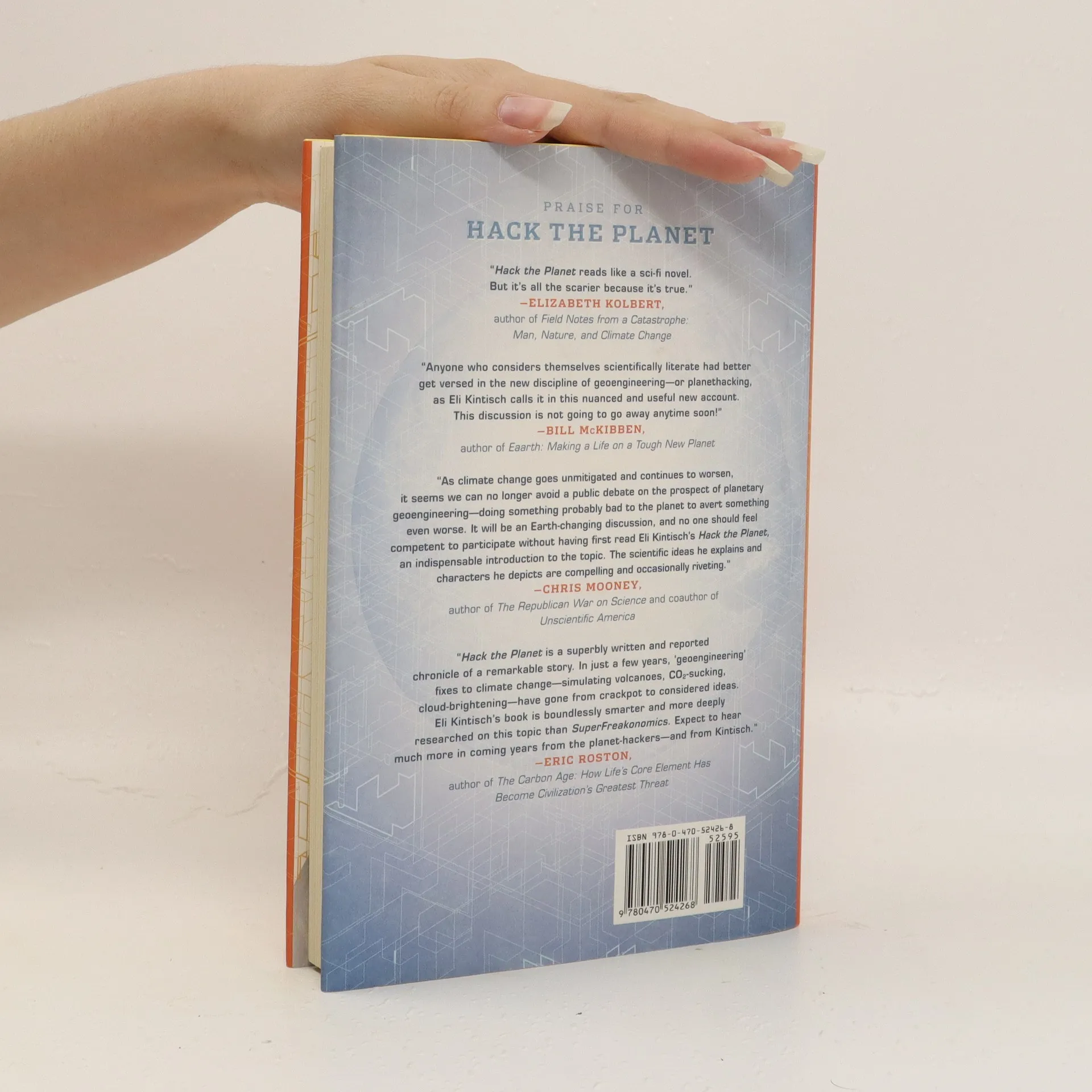
An inside tour of the incredible—and probably dangerous—plans to counteract climate change through experiments that range from the plausible to the fantastic. David Battisti arrived in Cambridge for a 2007 workshop on climate science, initially skeptical about geoengineering. However, as alarming climate news mounted, he reconsidered and voted in favor of geoengineering research. With global warming's effects clear and carbon reduction efforts inadequate, some scientists are exploring radical methods to cool the planet, such as injecting reflective particles into the atmosphere, brightening clouds, and cultivating massive algae blooms in the ocean. What were once science fiction ideas are now serious proposals being examined by concerned scientists aiming to avert climate catastrophe. Eli Kintisch, a Science magazine reporter, delves into these concepts, questioning their feasibility and the implications of geoengineering on the world. He outlines potential dire scenarios that could necessitate these interventions, including collapsing ice sheets and catastrophic methane releases. While these plans may seem outlandish, they could become humanity's last hope to prevent disaster. Kintisch examines whether geoengineering signifies a failure in stewardship or a new responsibility, making his investigation essential as the dialogue on global warming evolves toward the question of whether we should Hack the Planet.
Zakup książki
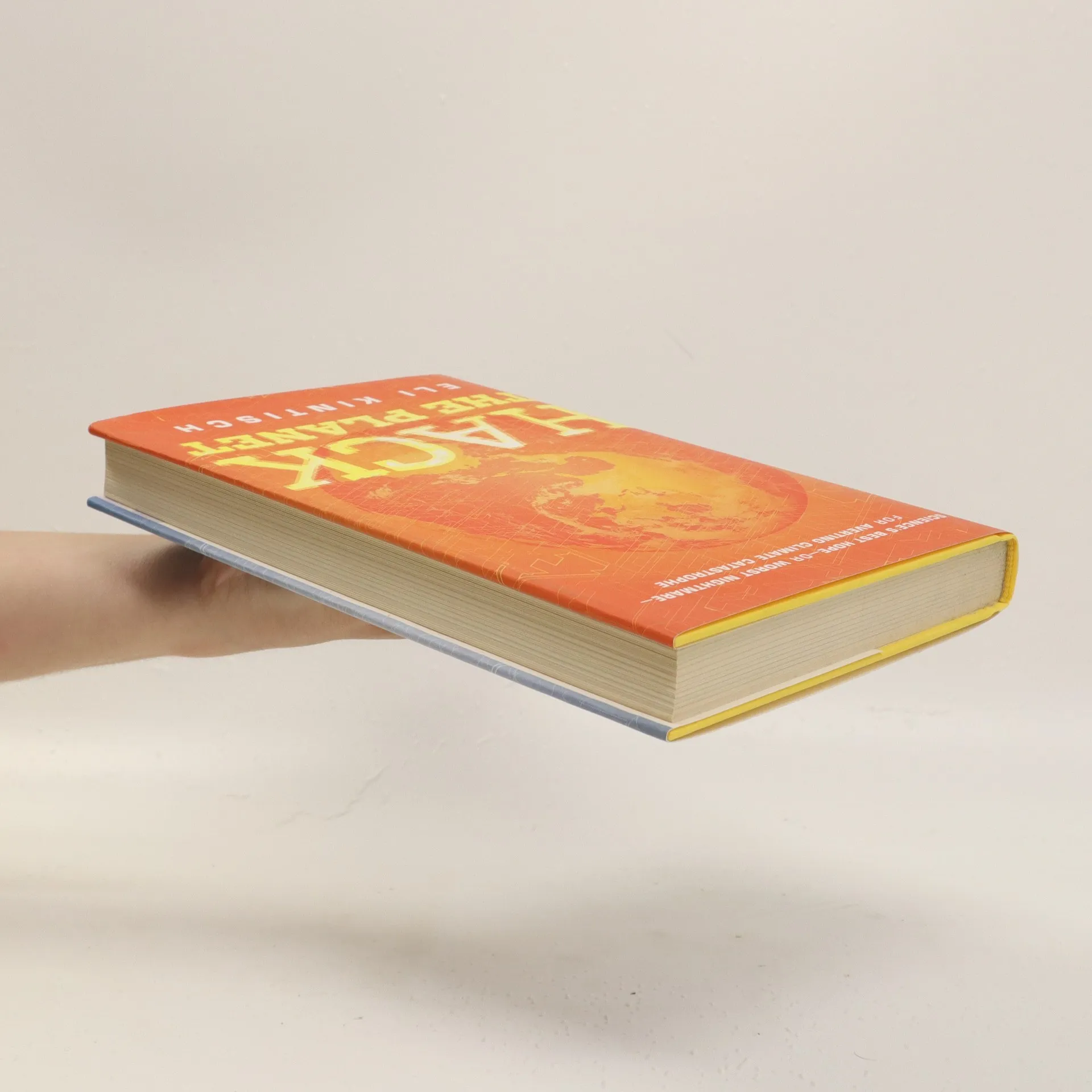
Hack the planet, Eli Kintisch
- Język

- Rok wydania
- 2010
- Oprawa
- (twarda)
Metody płatności
Brakuje nam tutaj Twojej recenzji.
- Tytuł
- Hack the planet
- Język
- angielski
- Autorzy
- Eli Kintisch
- Wydawca
- WILEY
- Rok wydania
- 2010
- Oprawa
- twarda
- Liczba stron
- 279
- ISBN10
- 047052426x
- ISBN13
- 9780470524268
- Seria
- Ocena
- 3,35 z 5
- Opis
- An inside tour of the incredible—and probably dangerous—plans to counteract climate change through experiments that range from the plausible to the fantastic. David Battisti arrived in Cambridge for a 2007 workshop on climate science, initially skeptical about geoengineering. However, as alarming climate news mounted, he reconsidered and voted in favor of geoengineering research. With global warming's effects clear and carbon reduction efforts inadequate, some scientists are exploring radical methods to cool the planet, such as injecting reflective particles into the atmosphere, brightening clouds, and cultivating massive algae blooms in the ocean. What were once science fiction ideas are now serious proposals being examined by concerned scientists aiming to avert climate catastrophe. Eli Kintisch, a Science magazine reporter, delves into these concepts, questioning their feasibility and the implications of geoengineering on the world. He outlines potential dire scenarios that could necessitate these interventions, including collapsing ice sheets and catastrophic methane releases. While these plans may seem outlandish, they could become humanity's last hope to prevent disaster. Kintisch examines whether geoengineering signifies a failure in stewardship or a new responsibility, making his investigation essential as the dialogue on global warming evolves toward the question of whether we should Hack the Planet.