

Więcej o książce
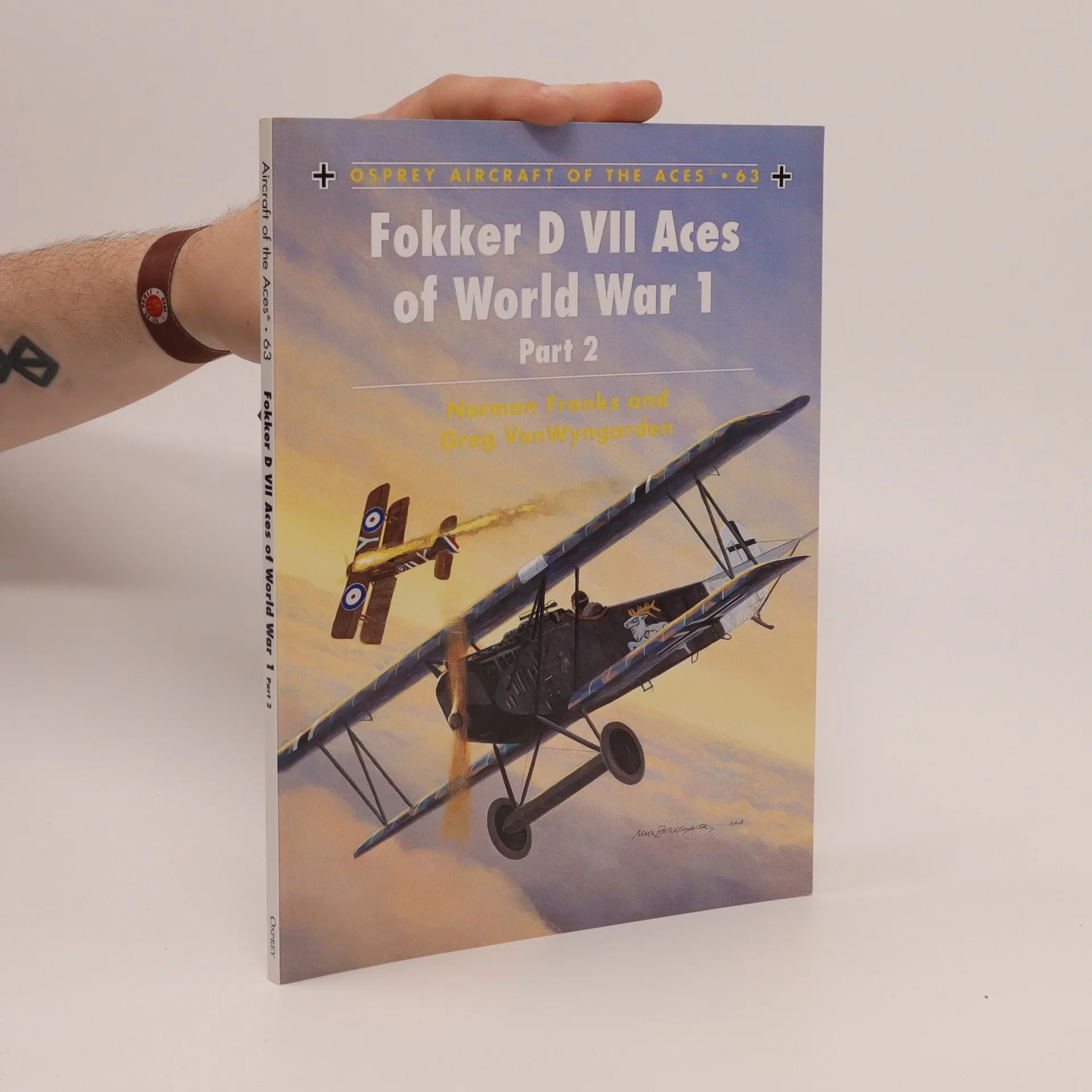
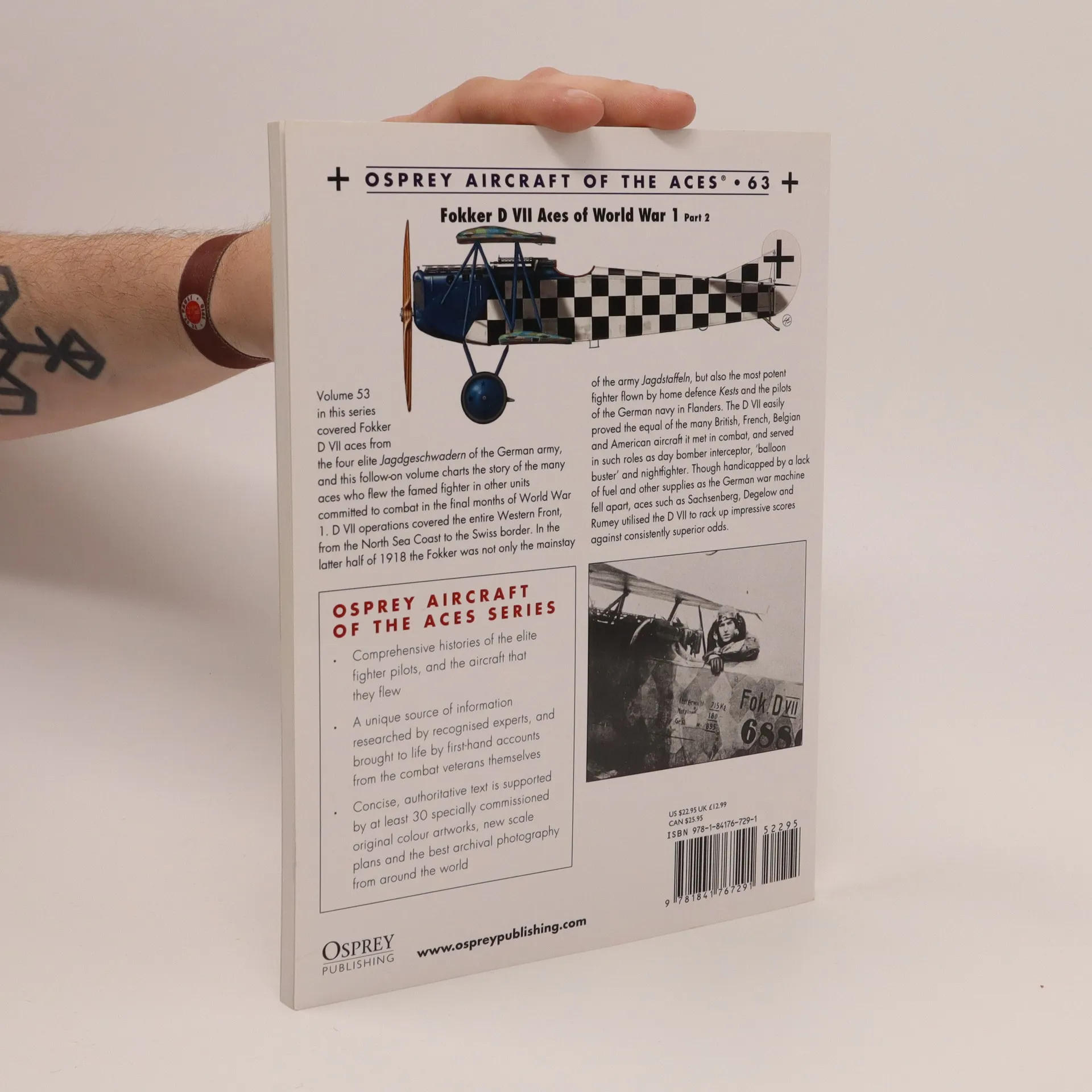
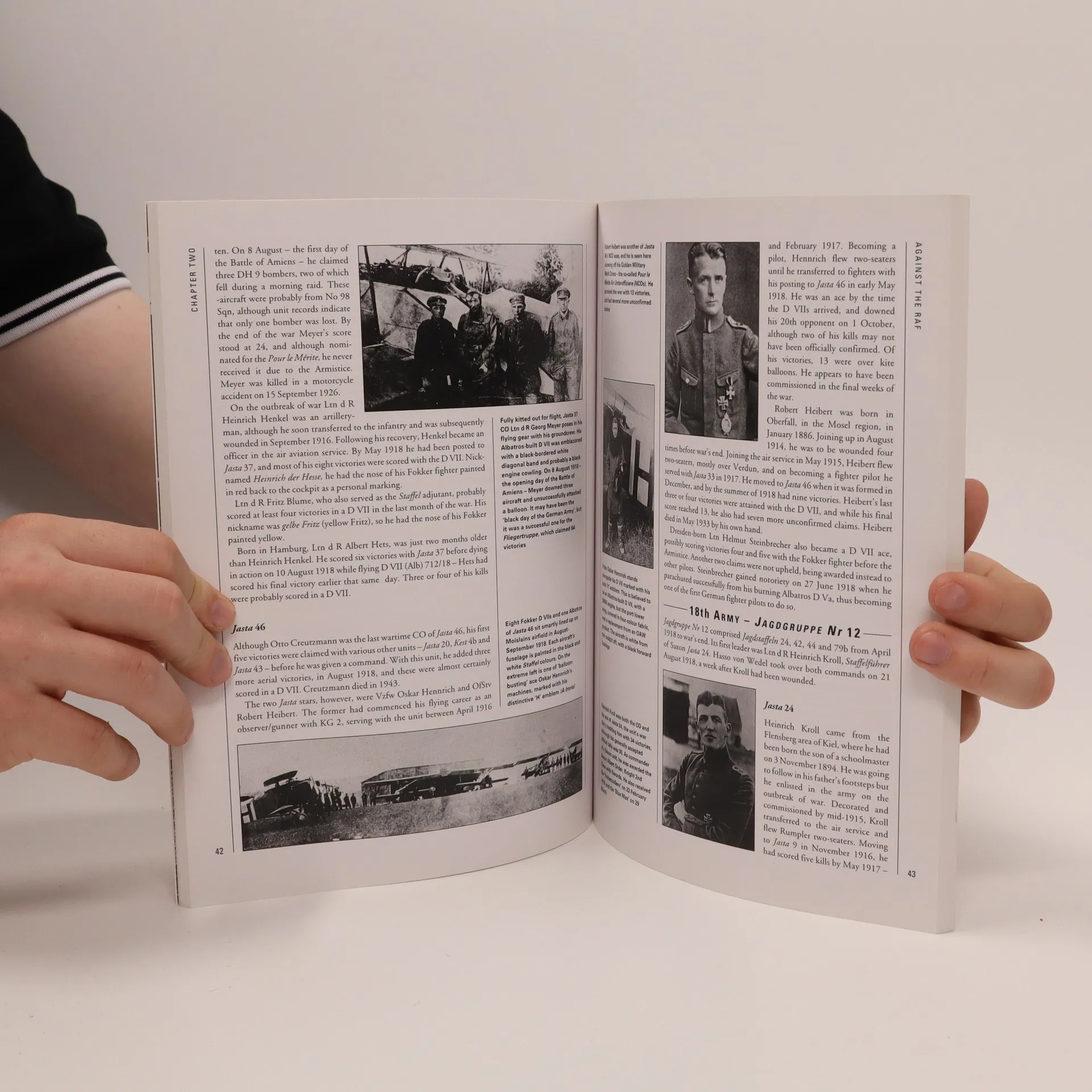
Volume 53 in this series covered Fokker D VII aces from the four elite Jagdgeschwadern of the German army, and this follow-on volume charts the story of the many aces who flew the famed fighter in other units committed to combat in the final months of World War 1. D VII operations covered the entire Western Front, from the North Sea to the Swiss border. In the latter half of 1918 the Fokker was not only the mainstay of the army Jagdstaffeln, but also the most potent fighter flown by home defence Kests and the pilots of the German navy in Flanders. The D VII easily proved the equal of the many British, French, Belgian and American aircraft it met in combat, and served in such roles as day bomber interceptor, 'balloon buster' and nightfighter. Though handicapped by a lack of fuel and other supplies as the German war machine fell apart, aces such as Sachsenberg, Degelow and Rumey utilised the D VII to rack up impressive scores against consistently superior odds.
Zakup książki
Fokker D VII Aces of World War 1. Part 2, Norman Leslie Robert Franks, Greg VanWyngarden
- Język

- Rok wydania
- 2004
- Oprawa
- (miękka)
Metody płatności
Brakuje nam tutaj Twojej recenzji.
- Tytuł
- Fokker D VII Aces of World War 1. Part 2
- Język
- angielski
- Wydawca
- Osprey Publishing
- Rok wydania
- 2004
- Oprawa
- miękka
- Liczba stron
- 96
- ISBN10
- 1841767298
- ISBN13
- 9781841767291
- Seria
- Kategorie
- Ocena
- 4,45 z 5
- Opis
- Volume 53 in this series covered Fokker D VII aces from the four elite Jagdgeschwadern of the German army, and this follow-on volume charts the story of the many aces who flew the famed fighter in other units committed to combat in the final months of World War 1. D VII operations covered the entire Western Front, from the North Sea to the Swiss border. In the latter half of 1918 the Fokker was not only the mainstay of the army Jagdstaffeln, but also the most potent fighter flown by home defence Kests and the pilots of the German navy in Flanders. The D VII easily proved the equal of the many British, French, Belgian and American aircraft it met in combat, and served in such roles as day bomber interceptor, 'balloon buster' and nightfighter. Though handicapped by a lack of fuel and other supplies as the German war machine fell apart, aces such as Sachsenberg, Degelow and Rumey utilised the D VII to rack up impressive scores against consistently superior odds.