



Parametry
Więcej o książce
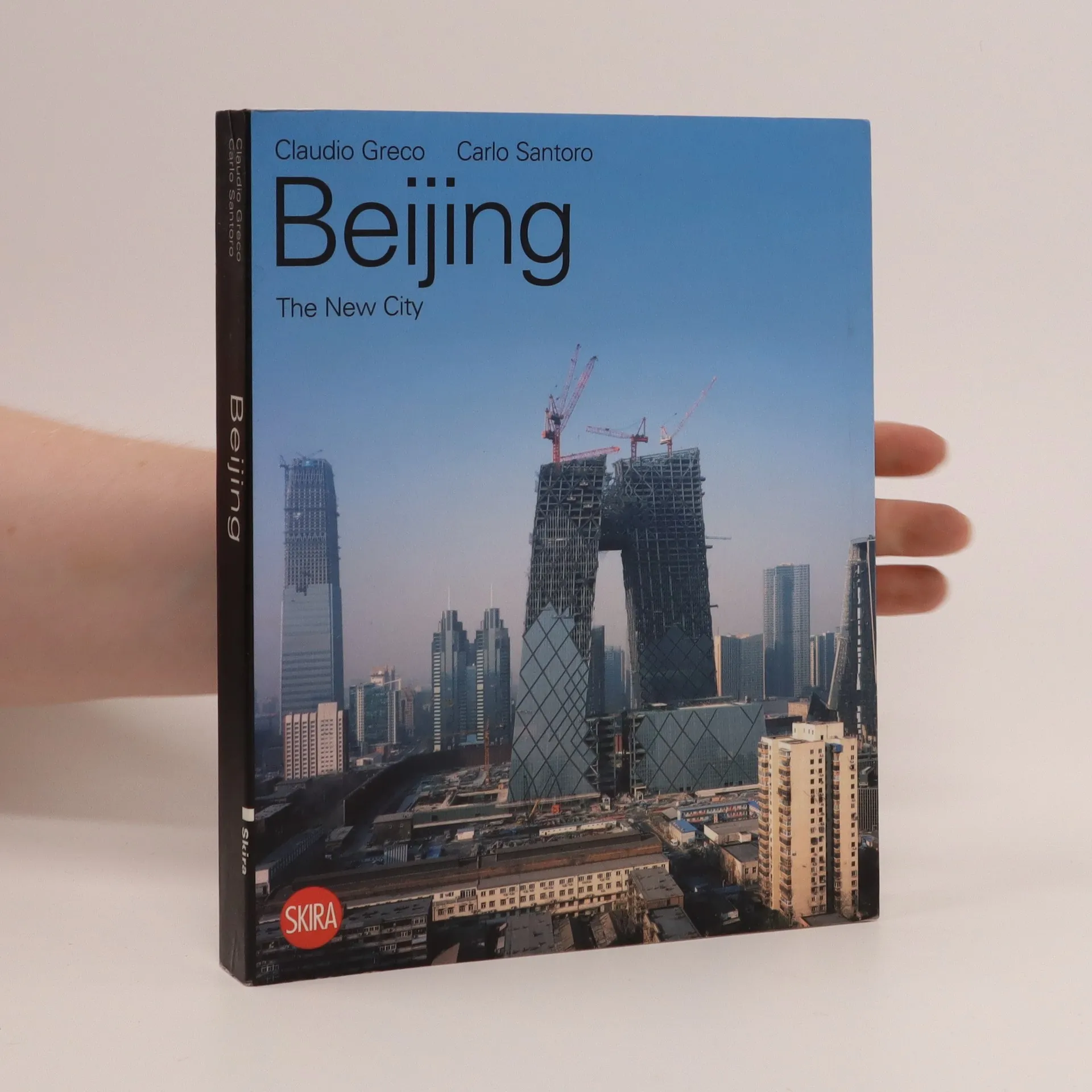
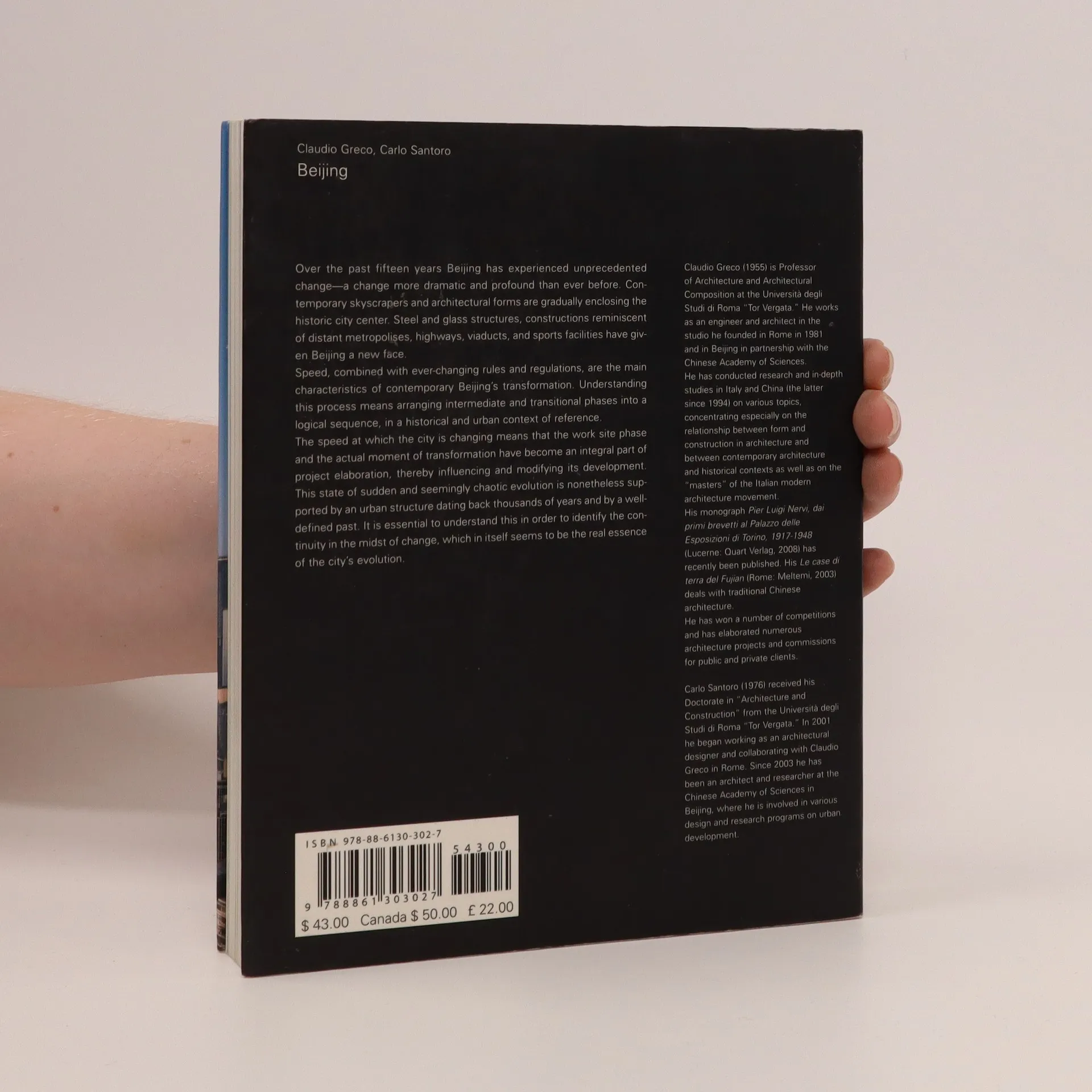
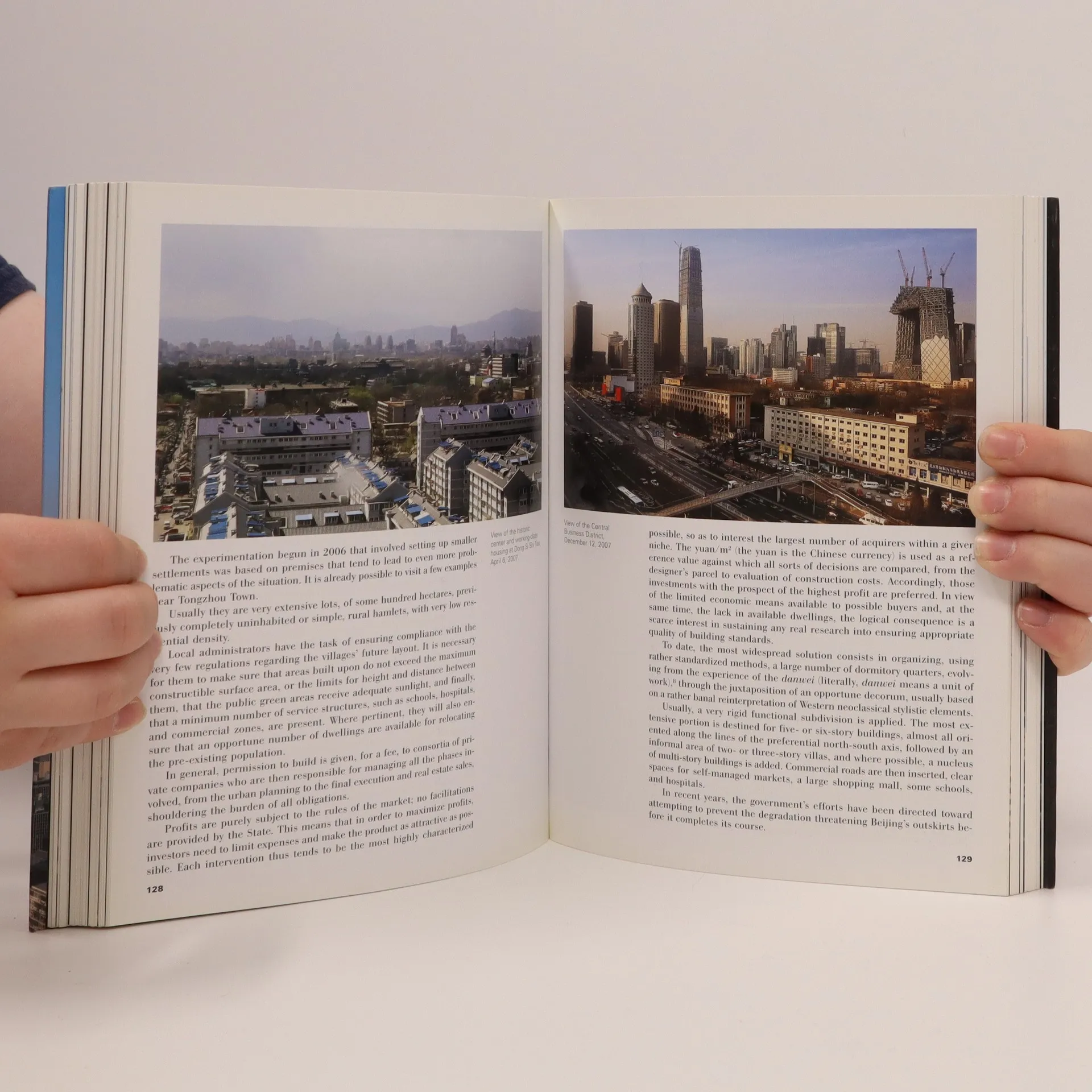
Over the past fifteen years Beijing has experienced unprecedented change–a change more dramatic and profound than ever before. Contemporary skyscrapers and architectural forms are gradually enclosing the historic city centre. Steel and glass structures, constructions reminiscent of distant metropolises, highways, viaducts, and sports facilities have given Beijing a new face. Speed, combined with ever-changing rules and regulations, are the main characteristics of contemporary Beijing’s transformation. Understanding this process means arranging intermediate and transitional phases into a logical sequence, in a historical and urban context of reference. The speed at which the city is changing means that the work site phase and the actual moment of transformation have become an integral part of project elaboration, thereby influencing and modifying its development. This state of sudden and seemingly chaotic evolution is nonetheless supported by an urban structure dating back thousands of years and by a well-defined past. It is essential to understand this in order to identify the continuity in the midst of change, which in itself seems to be the real essence of the city’s evolution.
Zakup książki
Beijing : the new city, Claudio Greco, Carlo Santoro
- Język

- Rok wydania
- 2008
- Oprawa
- (miękka)
Metody płatności
Brakuje nam tutaj Twojej recenzji.
- Tytuł
- Beijing : the new city
- Język
- angielski
- Autorzy
- Claudio Greco, Carlo Santoro
- Wydawca
- Skira
- Rok wydania
- 2008
- Oprawa
- miękka
- ISBN10
- 8861303021
- ISBN13
- 9788861303027
- Seria
- Tagi
- Ocena
- 3 z 5
- Opis
- Over the past fifteen years Beijing has experienced unprecedented change–a change more dramatic and profound than ever before. Contemporary skyscrapers and architectural forms are gradually enclosing the historic city centre. Steel and glass structures, constructions reminiscent of distant metropolises, highways, viaducts, and sports facilities have given Beijing a new face. Speed, combined with ever-changing rules and regulations, are the main characteristics of contemporary Beijing’s transformation. Understanding this process means arranging intermediate and transitional phases into a logical sequence, in a historical and urban context of reference. The speed at which the city is changing means that the work site phase and the actual moment of transformation have become an integral part of project elaboration, thereby influencing and modifying its development. This state of sudden and seemingly chaotic evolution is nonetheless supported by an urban structure dating back thousands of years and by a well-defined past. It is essential to understand this in order to identify the continuity in the midst of change, which in itself seems to be the real essence of the city’s evolution.