





Więcej o książce
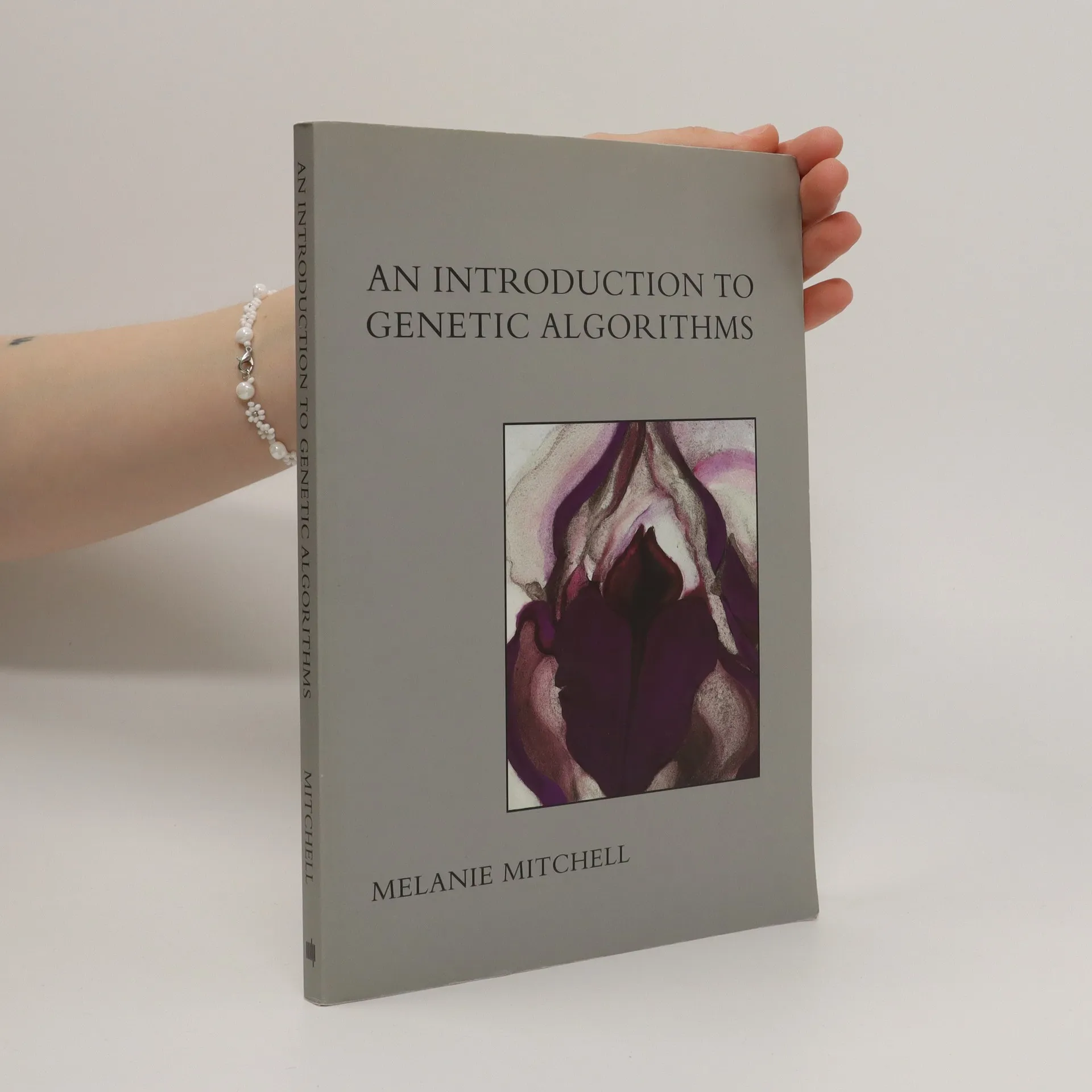
Genetic algorithms serve as adaptive tools for solving practical problems and as models of natural evolutionary systems. This accessible introduction explores intriguing research in the field while guiding readers to implement and experiment with genetic algorithms themselves. It delves into key topics, especially in machine learning, scientific modeling, and artificial life, and reviews a wide range of research, including the contributions of Mitchell and her colleagues. Applications extend beyond computer science to encompass dynamical systems theory, game theory, molecular biology, ecology, evolutionary biology, and population genetics, highlighting the versatile nature of genetic algorithms as search methods applicable across various disciplines. The text is suitable for students and researchers in any scientific field, featuring numerous thought and computer exercises that reinforce understanding. The first chapter introduces genetic algorithms and their terminology, detailing two provocative applications. The subsequent chapters examine their use in machine learning (including data analysis and neural networks) and scientific models (covering learning, evolution, culture, and ecosystems). The fourth chapter discusses theoretical approaches, the fifth focuses on implementation, and the final chapter addresses unanswered questions and future prospects in evolutionary computation.
Zakup książki
An introduction to genetic algorithms, Melanie Mitchell
- Język

- Rok wydania
- 1998
- Oprawa
- (miękka)
Metody płatności
Brakuje nam tutaj Twojej recenzji.
- Tytuł
- An introduction to genetic algorithms
- Język
- angielski
- Autorzy
- Melanie Mitchell
- Wydawca
- MIT Press
- Rok wydania
- 1998
- Oprawa
- miękka
- Liczba stron
- 221
- ISBN10
- 0262631857
- ISBN13
- 9780262631853
- Seria
- Ocena
- 3,8 z 5
- Opis
- Genetic algorithms serve as adaptive tools for solving practical problems and as models of natural evolutionary systems. This accessible introduction explores intriguing research in the field while guiding readers to implement and experiment with genetic algorithms themselves. It delves into key topics, especially in machine learning, scientific modeling, and artificial life, and reviews a wide range of research, including the contributions of Mitchell and her colleagues. Applications extend beyond computer science to encompass dynamical systems theory, game theory, molecular biology, ecology, evolutionary biology, and population genetics, highlighting the versatile nature of genetic algorithms as search methods applicable across various disciplines. The text is suitable for students and researchers in any scientific field, featuring numerous thought and computer exercises that reinforce understanding. The first chapter introduces genetic algorithms and their terminology, detailing two provocative applications. The subsequent chapters examine their use in machine learning (including data analysis and neural networks) and scientific models (covering learning, evolution, culture, and ecosystems). The fourth chapter discusses theoretical approaches, the fifth focuses on implementation, and the final chapter addresses unanswered questions and future prospects in evolutionary computation.