





Więcej o książce
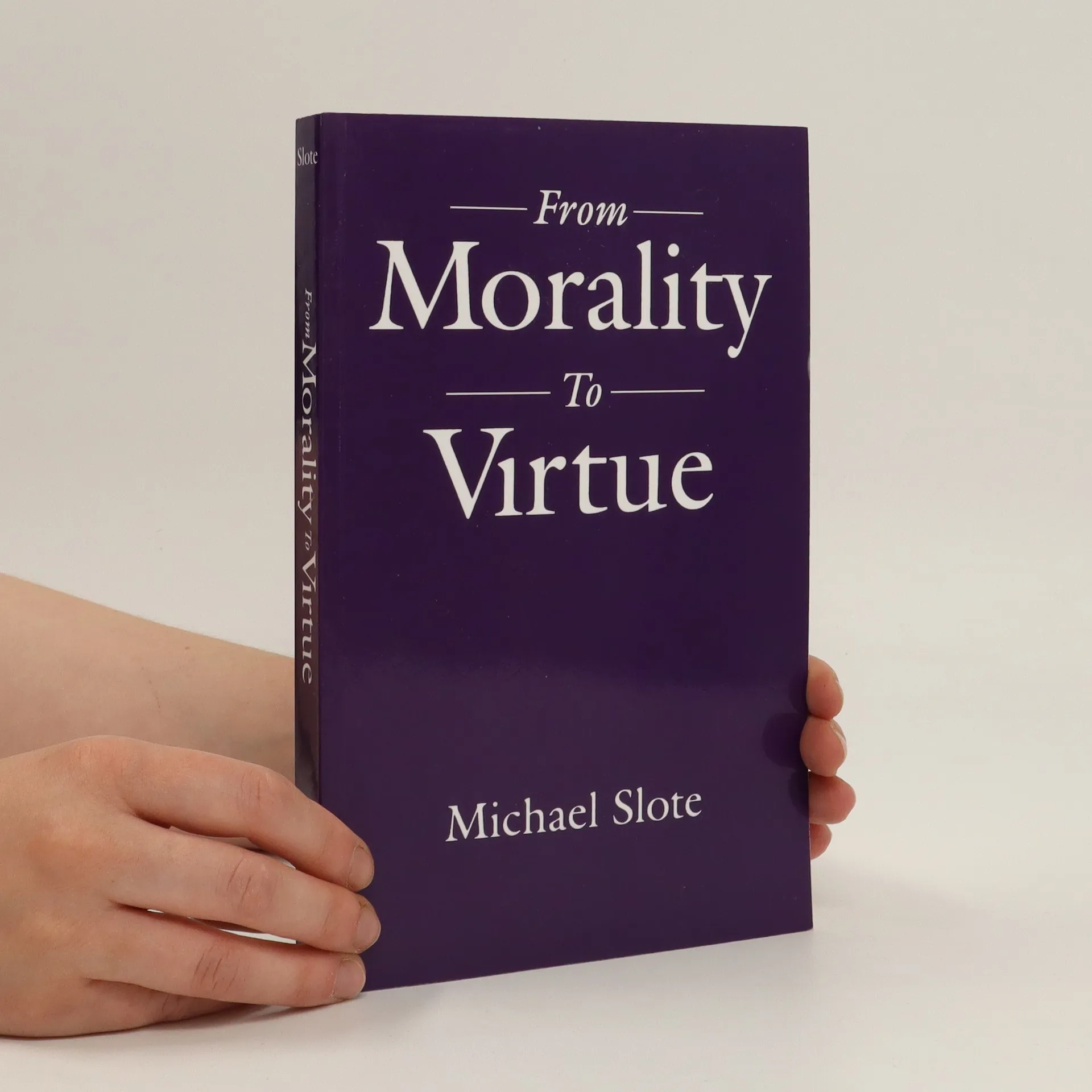
Annotation In this book, Michael Slote offers the first full-scale foundational account of virtue ethics to have appeared since the recent revival of interest in the topic. Slote advocates a particular form of such ethics for its intuitive and structural advantages over Kantianism, utilitarianism, and common-sense morality, and he argues that the problems of other views can be avoided and a contemporary plausible version of virtue ethics achieved only by abandoning specifically moral concepts for general aretaic notions like admirability and virtue. The book defends a distinctive, intuitive, and symmetric ethical principle according to which we should balance self-concern with concern for others, but it also concludes that there is, contrary to utilitarianism, no single basis for status as a virtue nor any simple relation between the virtues and human well-being
Zakup książki
From Morality to Virtue, Michael A. Slote
- Język

- Rok wydania
- 1995
- Oprawa
- (miękka)
Metody płatności
Brakuje nam tutaj Twojej recenzji.
- Tytuł
- From Morality to Virtue
- Język
- angielski
- Autorzy
- Michael A. Slote
- Rok wydania
- 1995
- Oprawa
- miękka
- Liczba stron
- 296
- ISBN10
- 0195093925
- ISBN13
- 9780195093926
- Seria
- Tagi
- Ocena
- 3 z 5
- Opis
- Annotation In this book, Michael Slote offers the first full-scale foundational account of virtue ethics to have appeared since the recent revival of interest in the topic. Slote advocates a particular form of such ethics for its intuitive and structural advantages over Kantianism, utilitarianism, and common-sense morality, and he argues that the problems of other views can be avoided and a contemporary plausible version of virtue ethics achieved only by abandoning specifically moral concepts for general aretaic notions like admirability and virtue. The book defends a distinctive, intuitive, and symmetric ethical principle according to which we should balance self-concern with concern for others, but it also concludes that there is, contrary to utilitarianism, no single basis for status as a virtue nor any simple relation between the virtues and human well-being