



Więcej o książce
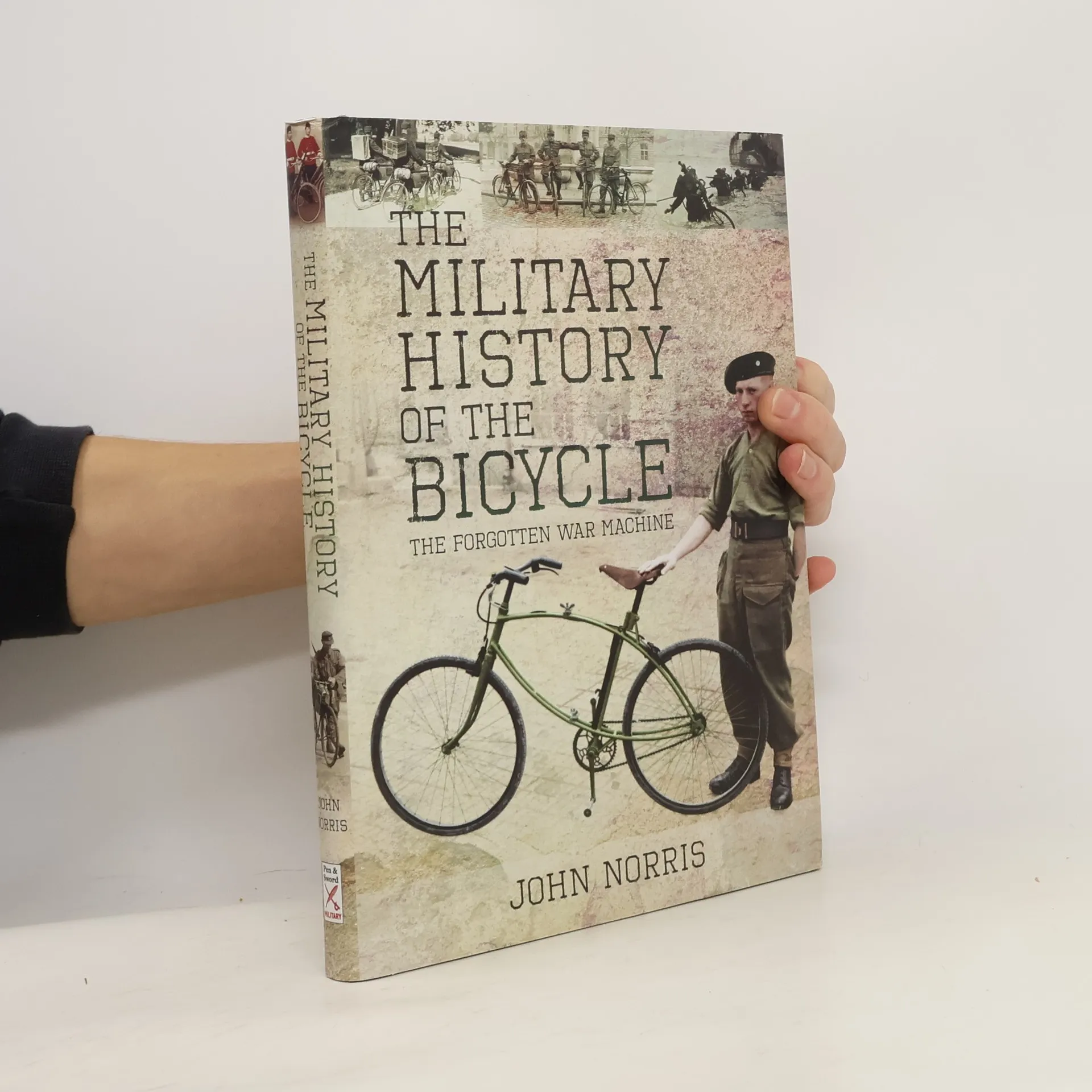
Almost immediately after the invention of the metal-framed bike, it was utilized for military purposes, providing a cost-effective, durable, and logistically simpler alternative to horse transport. From the late 19th century through both world wars and beyond, bicycles became a crucial yet often overlooked war machine. John Norris explores the evolution of military cycling, detailing early experiments with various designs, including armed and multi-passenger models. He discusses the strategic use of bicycles for rapid troop movement and communication. Initially employed in the Franco-Prussian War of 1870-71 and later by both sides in the Boer War, bicycles gained popularity across Europe before World War I. During World War II, the Japanese deployed over fifty thousand bicycles in Malaya, while the German army relied on more than three million as fuel shortages hampered motor transport. The Allies effectively used folding and air-dropped bikes in significant operations, including Market Garden and Normandy. Post-WWII, bicycles played a vital role in Vietnam, particularly along the Ho Chi Minh trail, and some European armies maintained specialized bicycle units into the 21st century. Today, collapsible military bikes continue to be produced for Special Forces. Norris's comprehensive examination of pedal-powered warfare is complemented by a collection of high-quality photographs.
Zakup książki
The Military History of the Bicycle: The Forgotten War Machine, John Norris
- Język

- Rok wydania
- 2021
- Oprawa
- (twarda)
Metody płatności
Brakuje nam tutaj Twojej recenzji.
- Tytuł
- The Military History of the Bicycle: The Forgotten War Machine
- Język
- angielski
- Autorzy
- John Norris
- Wydawca
- Pen & Sword Military
- Rok wydania
- 2021
- Oprawa
- twarda
- Liczba stron
- 200
- ISBN10
- 1526763516
- ISBN13
- 9781526763518
- Seria
- Tagi
- Ocena
- 2 z 5
- Opis
- Almost immediately after the invention of the metal-framed bike, it was utilized for military purposes, providing a cost-effective, durable, and logistically simpler alternative to horse transport. From the late 19th century through both world wars and beyond, bicycles became a crucial yet often overlooked war machine. John Norris explores the evolution of military cycling, detailing early experiments with various designs, including armed and multi-passenger models. He discusses the strategic use of bicycles for rapid troop movement and communication. Initially employed in the Franco-Prussian War of 1870-71 and later by both sides in the Boer War, bicycles gained popularity across Europe before World War I. During World War II, the Japanese deployed over fifty thousand bicycles in Malaya, while the German army relied on more than three million as fuel shortages hampered motor transport. The Allies effectively used folding and air-dropped bikes in significant operations, including Market Garden and Normandy. Post-WWII, bicycles played a vital role in Vietnam, particularly along the Ho Chi Minh trail, and some European armies maintained specialized bicycle units into the 21st century. Today, collapsible military bikes continue to be produced for Special Forces. Norris's comprehensive examination of pedal-powered warfare is complemented by a collection of high-quality photographs.