

Parametry
Więcej o książce
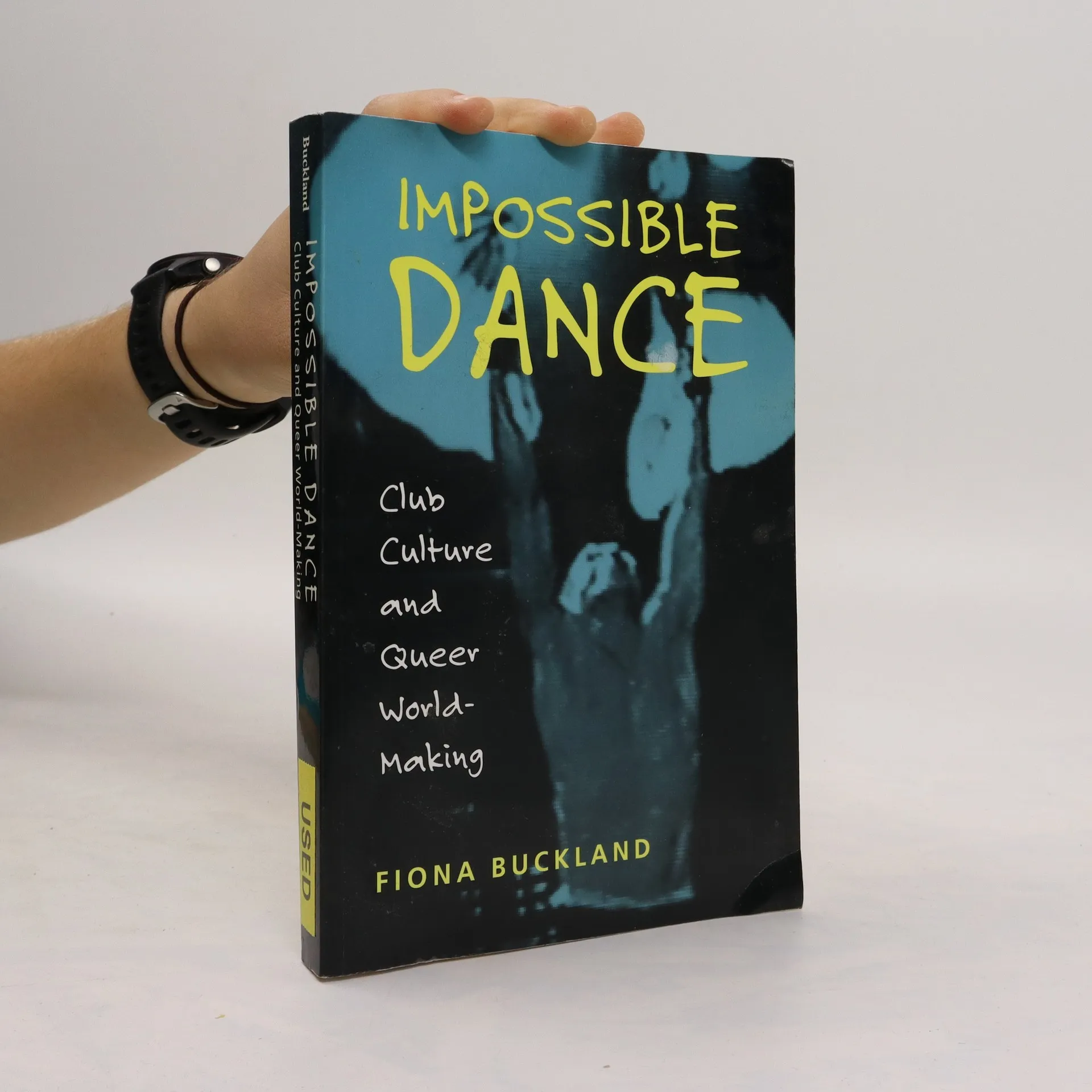
An ethnographic account of gay, lesbian and queer club culture in the 1990s New York City."Impossible Dance is a highly accessible, original and engaging account of the complex and often heavily theorized debates around the body, identity and community. Focusing on gay, lesbian and queer club culture in the 1990s New York City, this is the first book to bring together vital issues such as dance culture, queer community, sex culture, HIV identity and politics. Based on four years of field work, the book takes readers on a journey from the streets of New York City into the dance clubs and onto the dance floor. Detailed interviews with club-goers capture their perspectives on how they stage their self-fashioning through dancing. Fiona Buckland argues that such dancing embodies and rehearses a powerful political imagination, laying claim to the space and to one's body as queer."―Publishers Weekly
Zakup książki
Impossible Dance: Club Culture and Queer World-Making, Fiona Buckland
- Język

- Rok wydania
- 2002
- Oprawa
- (miękka)
Metody płatności
Brakuje nam tutaj Twojej recenzji.
- Tytuł
- Impossible Dance: Club Culture and Queer World-Making
- Język
- angielski
- Autorzy
- Fiona Buckland
- Wydawca
- WESLEYAN UNIV PR
- Rok wydania
- 2002
- Oprawa
- miękka
- ISBN10
- 0819564982
- ISBN13
- 9780819564986
- Seria
- Kategorie
- Tagi
- Ocena
- 4,15 z 5
- Opis
- An ethnographic account of gay, lesbian and queer club culture in the 1990s New York City."Impossible Dance is a highly accessible, original and engaging account of the complex and often heavily theorized debates around the body, identity and community. Focusing on gay, lesbian and queer club culture in the 1990s New York City, this is the first book to bring together vital issues such as dance culture, queer community, sex culture, HIV identity and politics. Based on four years of field work, the book takes readers on a journey from the streets of New York City into the dance clubs and onto the dance floor. Detailed interviews with club-goers capture their perspectives on how they stage their self-fashioning through dancing. Fiona Buckland argues that such dancing embodies and rehearses a powerful political imagination, laying claim to the space and to one's body as queer."―Publishers Weekly