




Więcej o książce
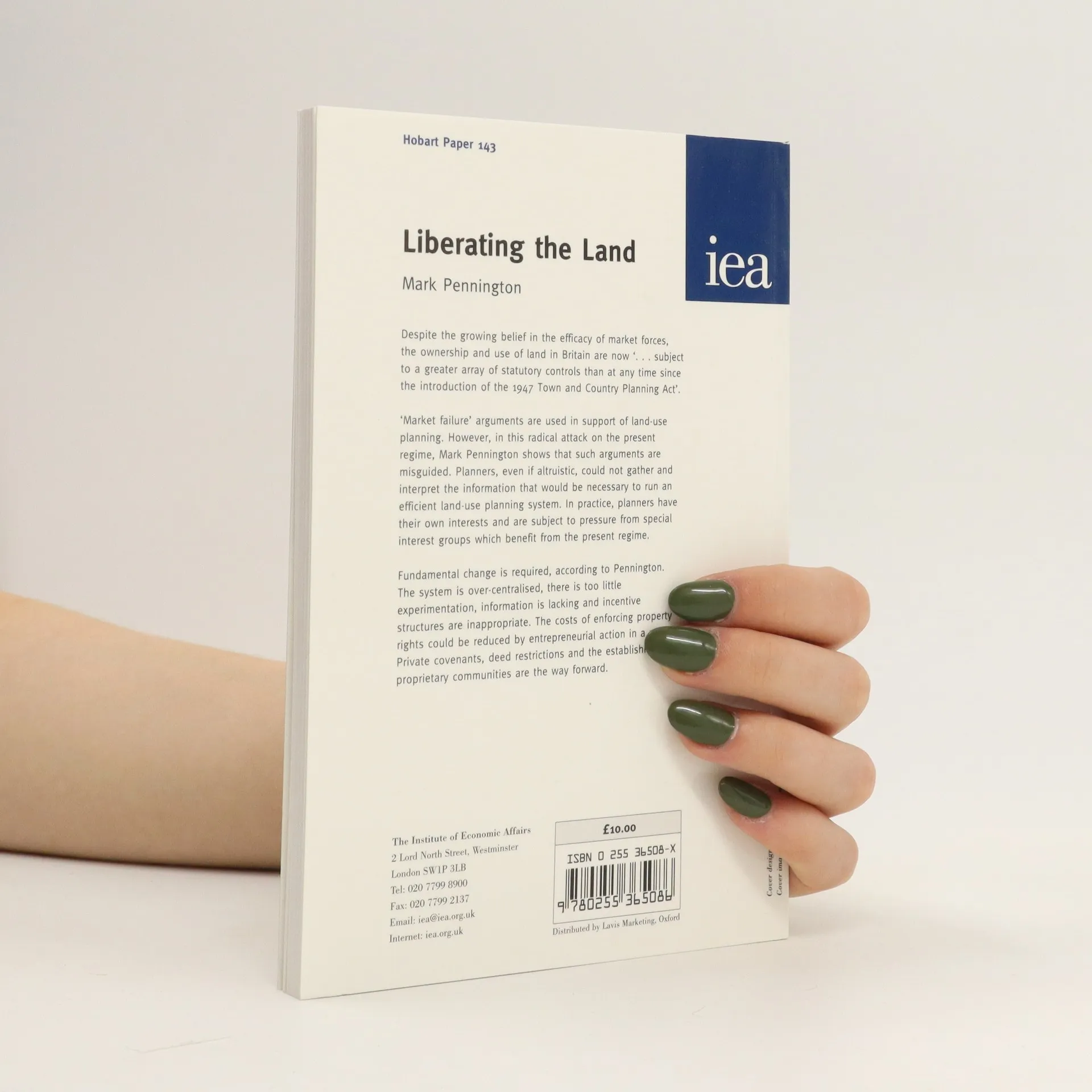
Despite the growing belief in the efficacy of market forces, the ownership and use of land in Britain are now '...subject to a greater array of statutory controls than at any time since the introduction of the 1947 Town and Country Planning Act'. 'Market failure' arguments are used in support of land use planning. However, in this radical attack on the present regime, Mark Pennington shows that such arguments are misguided. Planners, even if altruistic, could not gather and interpret the information which would be necessary to run an efficient land use planning system. In practice, planners have their own interests and are subject to pressure from special interest groups which benefit from the present regime. Fundamental change is required, according to Pennington. The system is over-centralised, there is too little experimentation, information is lacking and incentive structures are inappropriate. The costs of enforcing property rights could be reduced by entrepreneurial action in a market. Private covenants, deed restrictions and the establishment of proprietary communities are the way forward.
Zakup książki
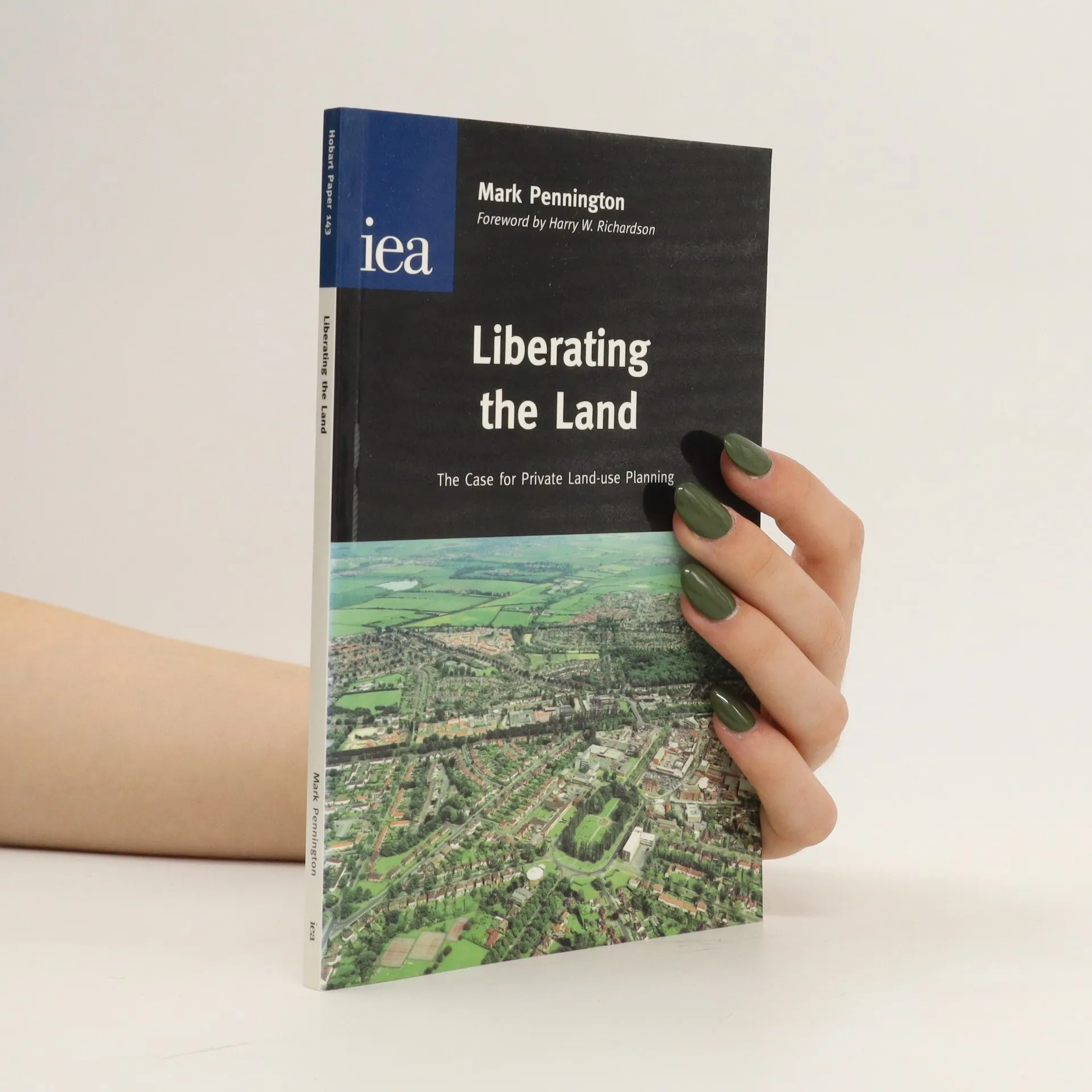
Liberating the land: the case for private land-use planning, Mark Pennington
- Język

- Rok wydania
- 2002
- Oprawa
- (twarda)
Metody płatności
Brakuje nam tutaj Twojej recenzji.
- Tytuł
- Liberating the land: the case for private land-use planning
- Język
- angielski
- Autorzy
- Mark Pennington
- Rok wydania
- 2002
- Oprawa
- twarda
- Liczba stron
- 117
- ISBN10
- 025536508x
- ISBN13
- 9780255365086
- Seria
- Kategorie
- Tagi
- Ocena
- 4 z 5
- Opis
- Despite the growing belief in the efficacy of market forces, the ownership and use of land in Britain are now '...subject to a greater array of statutory controls than at any time since the introduction of the 1947 Town and Country Planning Act'. 'Market failure' arguments are used in support of land use planning. However, in this radical attack on the present regime, Mark Pennington shows that such arguments are misguided. Planners, even if altruistic, could not gather and interpret the information which would be necessary to run an efficient land use planning system. In practice, planners have their own interests and are subject to pressure from special interest groups which benefit from the present regime. Fundamental change is required, according to Pennington. The system is over-centralised, there is too little experimentation, information is lacking and incentive structures are inappropriate. The costs of enforcing property rights could be reduced by entrepreneurial action in a market. Private covenants, deed restrictions and the establishment of proprietary communities are the way forward.