

Więcej o książce
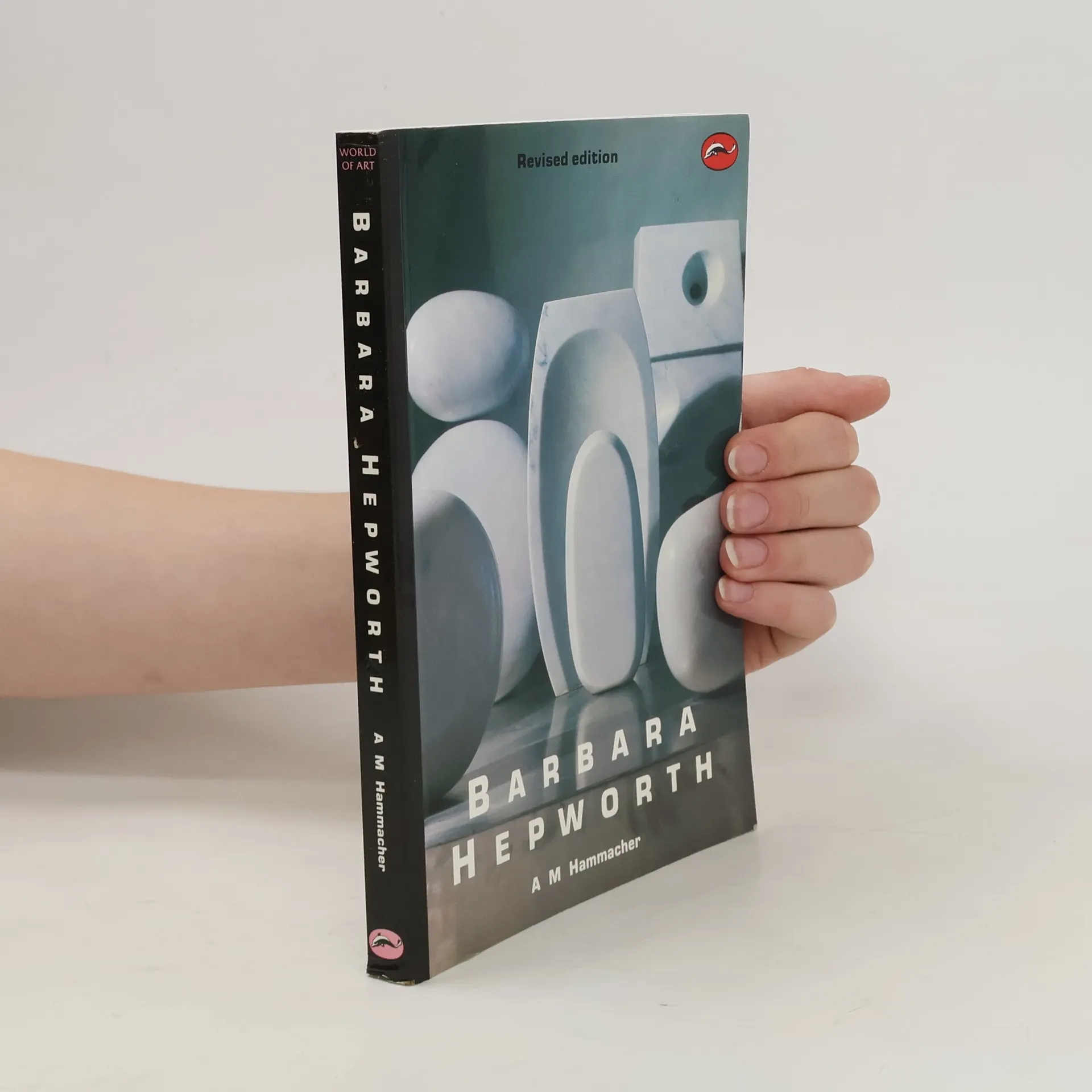
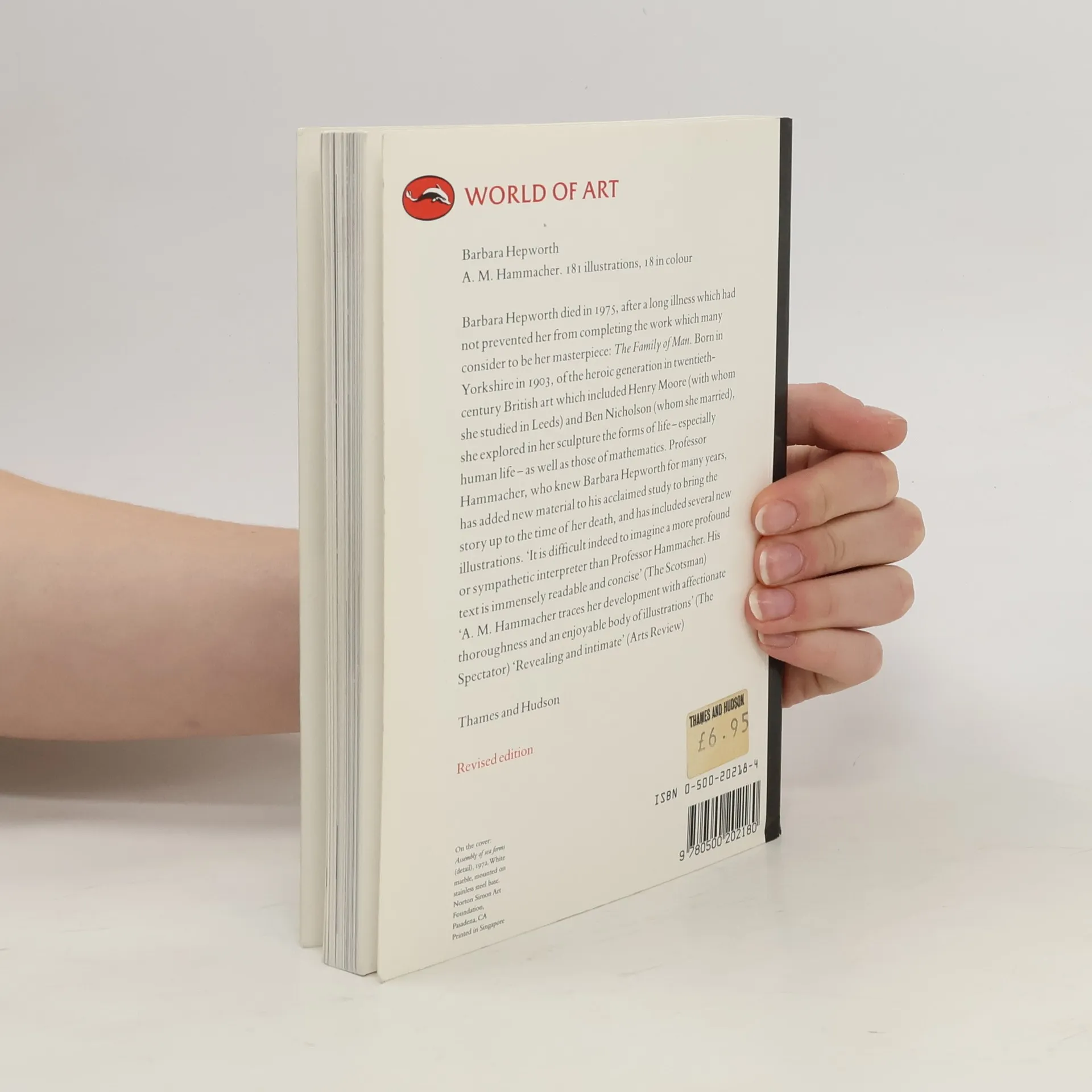
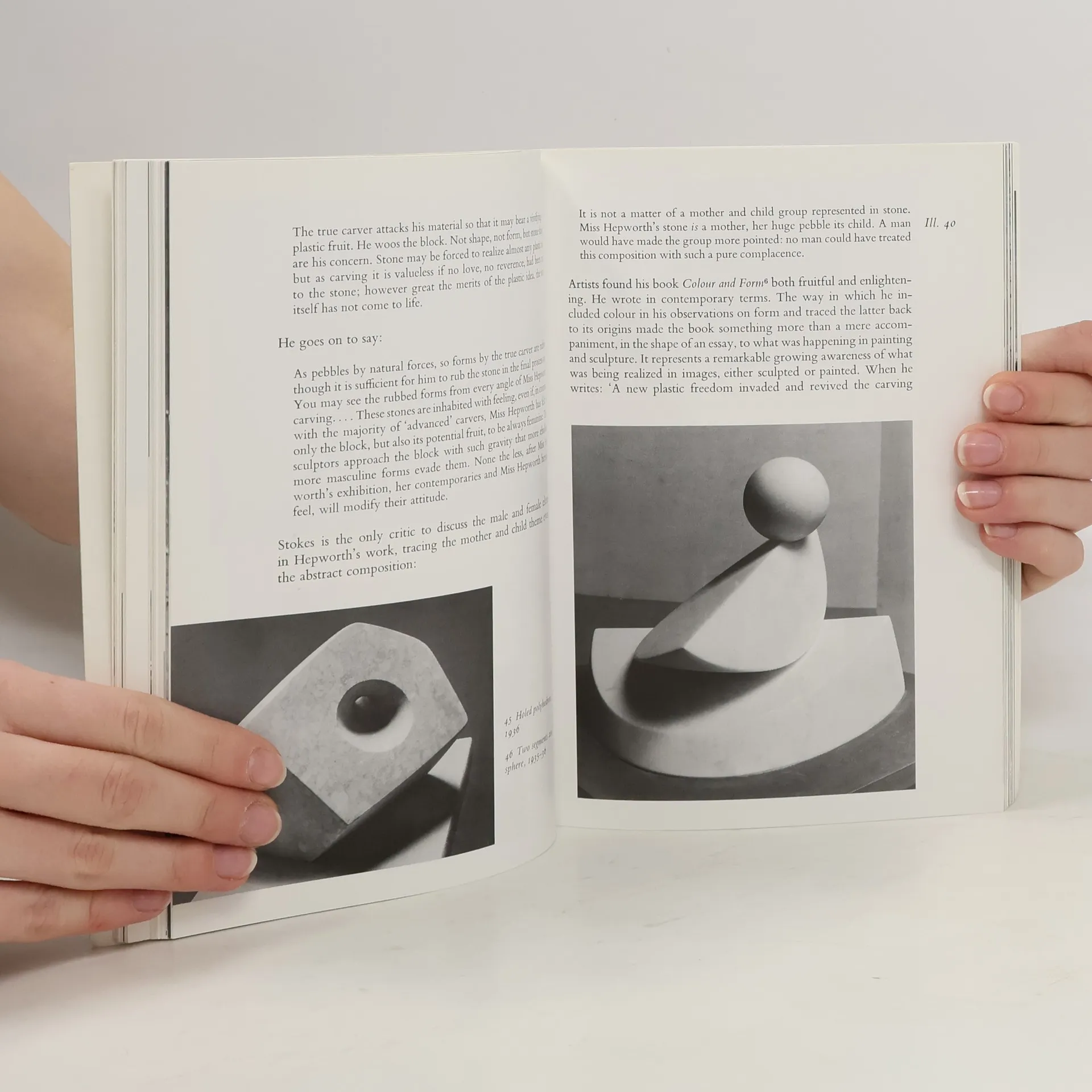
Born in Yorkshire in 1903, Barbara Hepworth was determined to become a sculptor despite the misgivings of her parents and the common attitude at the time that a woman studying sculpture was not to be taken seriously. She was part of the generation of British artists that included Henry Moore (with whom she studied in Leeds) and Ben Nicholson (whom she married), and her sculpture explored the forms of life -- especially human life -- as well as those of mathematics.From the beginning, her work displayed a monumental power, and after World War II it received far wider recognition and acclaim. Hepworth later experimented in new substances such as sheet metal, wire, and bronze, but her work always maintained its nobility, subtlety, and flawless rendering of surface. She died in 1975, after a long illness that did not prevent her from completing the work many consider to be her masterpiece: The Family of Man.
Zakup książki
Barbara Hepworth, Abraham Marie Hammacher
- Język

- Rok wydania
- 1987
- Oprawa
- (miękka)
Metody płatności
Brakuje nam tutaj Twojej recenzji.
- Tytuł
- Barbara Hepworth
- Język
- angielski
- Autorzy
- Abraham Marie Hammacher
- Wydawca
- Thames & Hudson Ltd
- Rok wydania
- 1987
- Oprawa
- miękka
- Liczba stron
- 216
- ISBN10
- 0500202184
- ISBN13
- 9780500202180
- Seria
- Kategorie
- Tagi
- Sztuka
- Ocena
- 3,55 z 5
- Opis
- Born in Yorkshire in 1903, Barbara Hepworth was determined to become a sculptor despite the misgivings of her parents and the common attitude at the time that a woman studying sculpture was not to be taken seriously. She was part of the generation of British artists that included Henry Moore (with whom she studied in Leeds) and Ben Nicholson (whom she married), and her sculpture explored the forms of life -- especially human life -- as well as those of mathematics.From the beginning, her work displayed a monumental power, and after World War II it received far wider recognition and acclaim. Hepworth later experimented in new substances such as sheet metal, wire, and bronze, but her work always maintained its nobility, subtlety, and flawless rendering of surface. She died in 1975, after a long illness that did not prevent her from completing the work many consider to be her masterpiece: The Family of Man.