

Więcej o książce
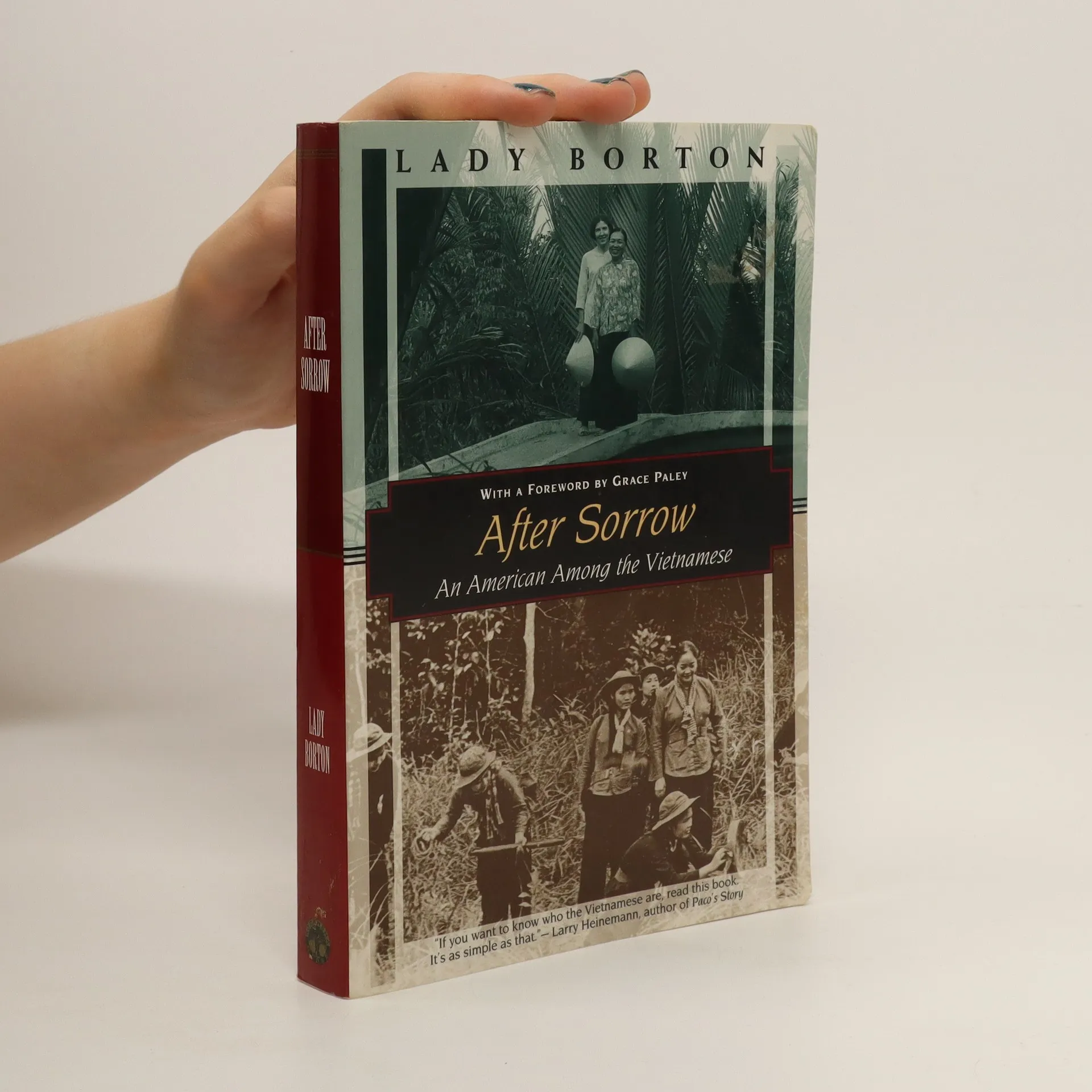
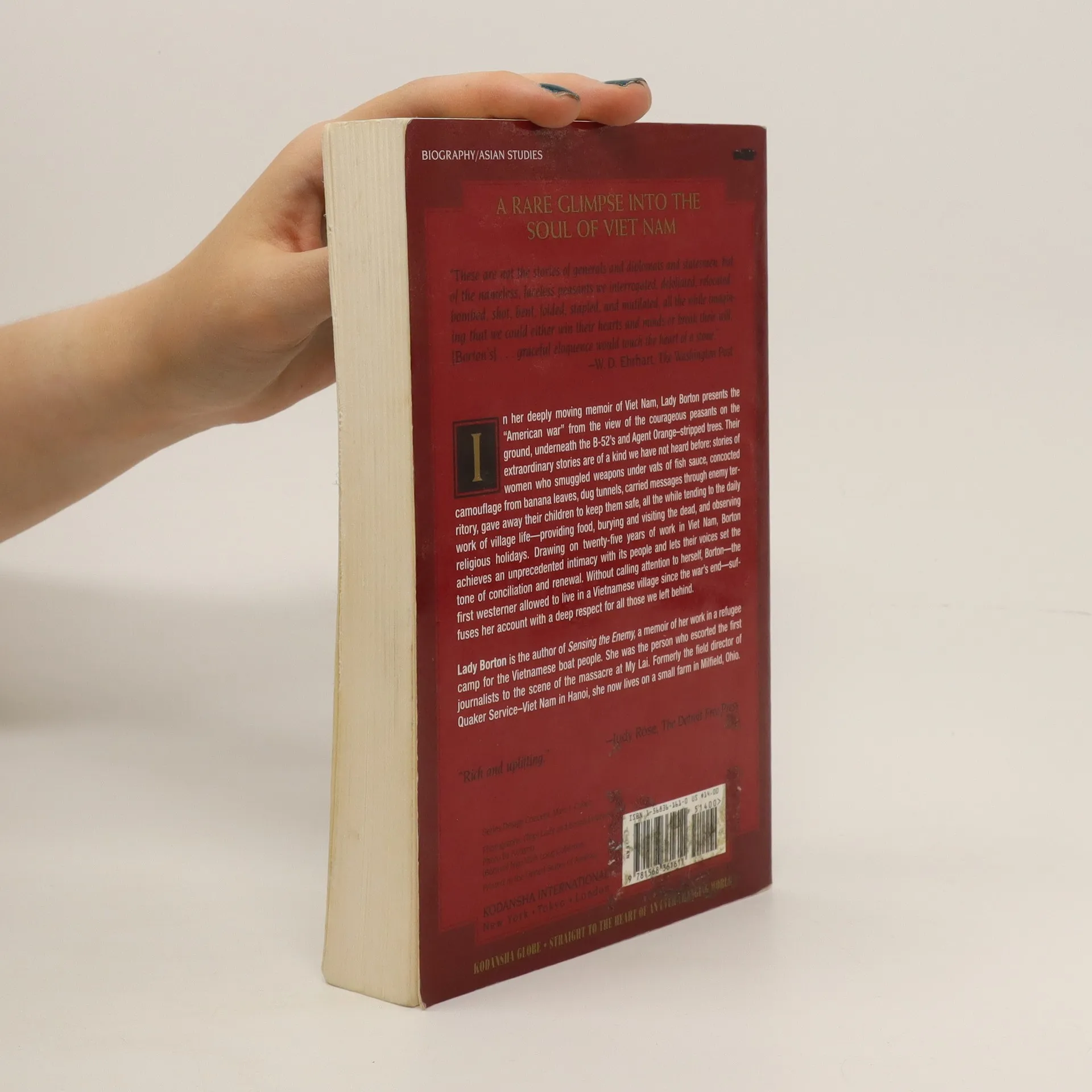
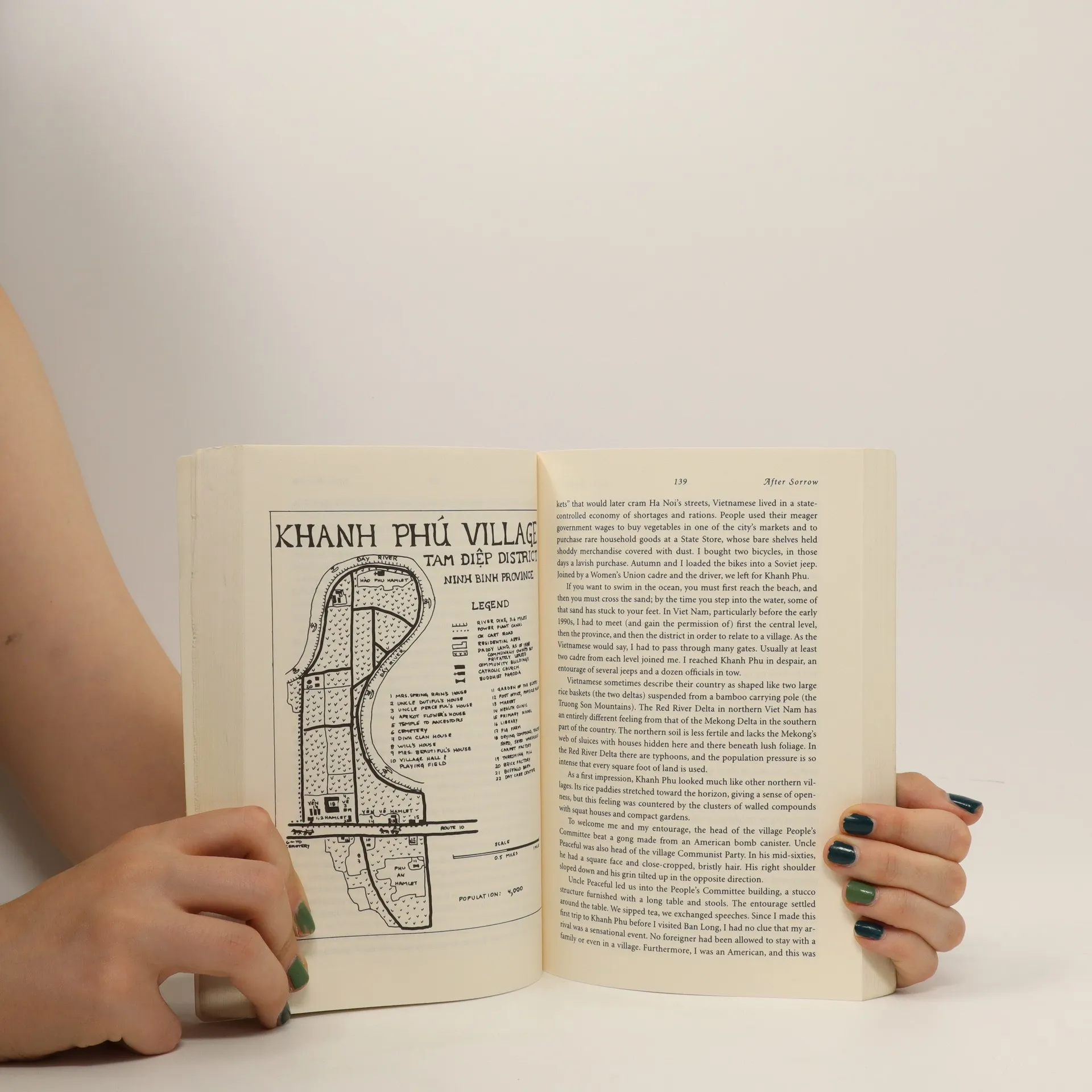
A RARE CLOMPSE INTO THE SOUL OF VIETNAM In her deeply moving memoir of Vietnam, Lady Borton presents the American war from the view of the courageous peasants on the ground, underneath the B-52's and Agent Orange-stripped trees. Their extraordinary stories are of a kind we have not heard before: stories of women who smuggled weapons under vats of fish sauce, concocted camouflage from banana leaves, dug tunnels, carried messages through enemy territory, gave away their children to keep them safe, all the while tending to the daily work of village life-providing food, burying and visiting the dead, and observing religious holidays. Drawing on twenty-five years of work in Vietnam, Borton achieves an unprecedented intimacy with its people and lets their voices set the tone of conciliation and renewal. Without calling attention to herself, Borton-the first westerner allowed to live in a Vietnamese village since the war's end-suffuses her account with a deep respect for all those we left behind.
Zakup książki
After Sorrow : An American Among the Vietnamese, Lady Borton
- Język

- Rok wydania
- 1996
- Oprawa
- (miękka)
Metody płatności
Brakuje nam tutaj Twojej recenzji.
- Tytuł
- After Sorrow : An American Among the Vietnamese
- Język
- angielski
- Autorzy
- Lady Borton
- Wydawca
- Kodansha International
- Rok wydania
- 1996
- Oprawa
- miękka
- Liczba stron
- 320
- ISBN10
- 1568361610
- ISBN13
- 9781568361611
- Seria
- Tagi
- Azja
- Ocena
- 3,8 z 5
- Opis
- A RARE CLOMPSE INTO THE SOUL OF VIETNAM In her deeply moving memoir of Vietnam, Lady Borton presents the American war from the view of the courageous peasants on the ground, underneath the B-52's and Agent Orange-stripped trees. Their extraordinary stories are of a kind we have not heard before: stories of women who smuggled weapons under vats of fish sauce, concocted camouflage from banana leaves, dug tunnels, carried messages through enemy territory, gave away their children to keep them safe, all the while tending to the daily work of village life-providing food, burying and visiting the dead, and observing religious holidays. Drawing on twenty-five years of work in Vietnam, Borton achieves an unprecedented intimacy with its people and lets their voices set the tone of conciliation and renewal. Without calling attention to herself, Borton-the first westerner allowed to live in a Vietnamese village since the war's end-suffuses her account with a deep respect for all those we left behind.