

Więcej o książce
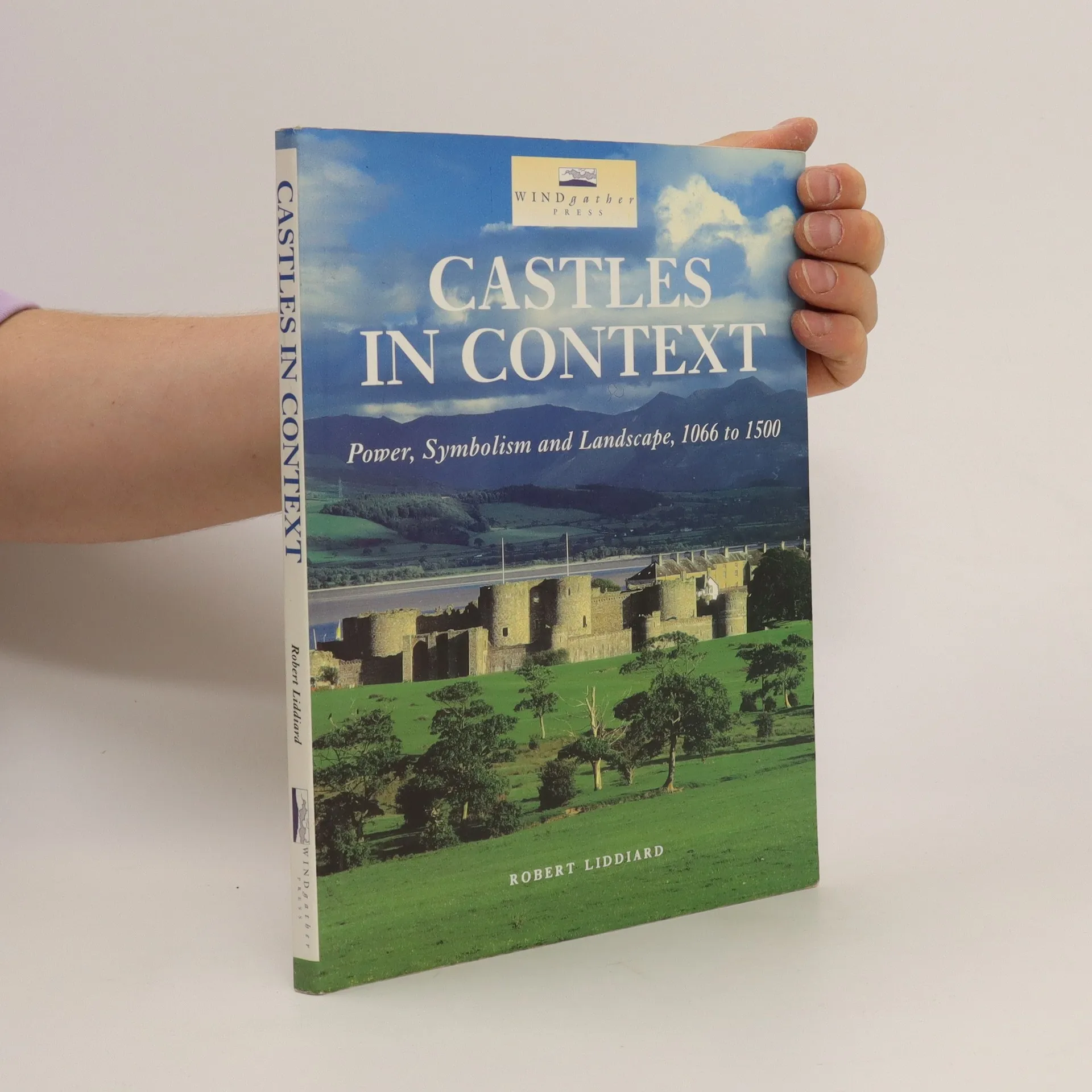
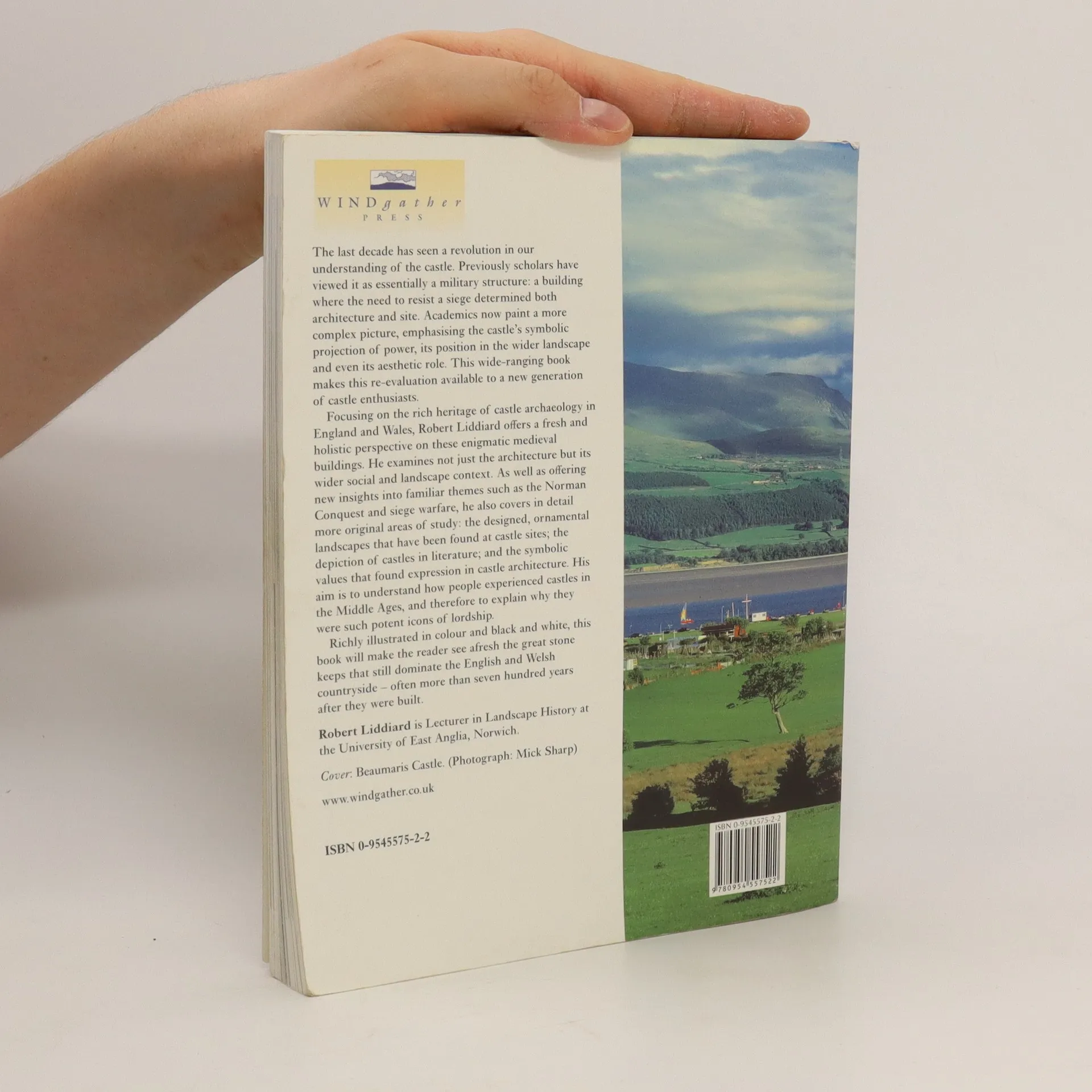
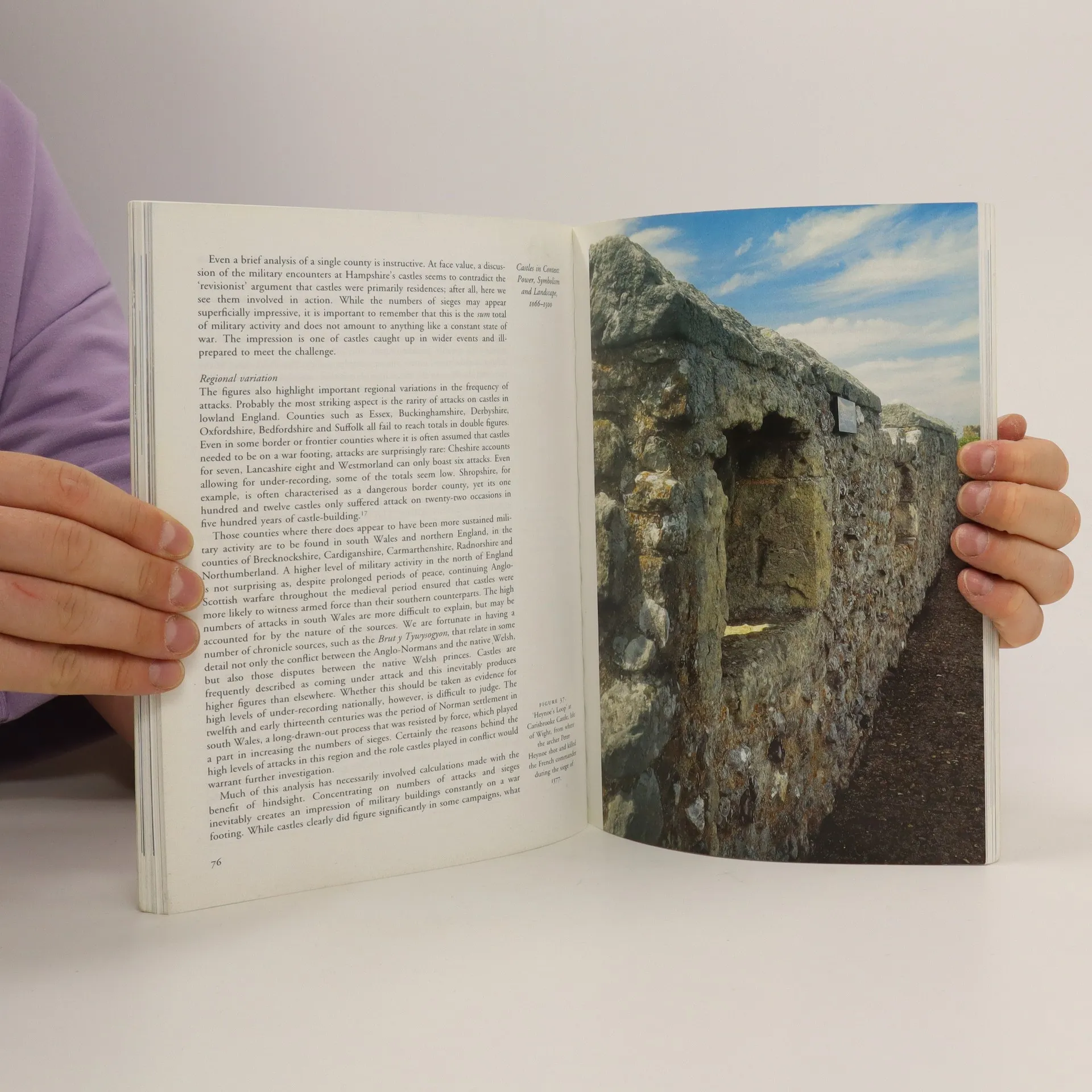
Castle studies have been transformed in recent years with a movement away from the traditional interpretation of castles as static military structures towards a wider view of castles as aesthetic symbols of power, with a more complicated relationship with the landscape. Supported by numerous color photographs of the most `tangible' remains of the Middle Ages, this clearly written and very accessible study makes the most current ideas about the role of the castle available to a wider and more general readership. Robert Liddiard discusses the history of castle building before and after the Norman Conquest, considering the Norman and medieval definition of the castle, and he reassesses the military defensive capabilities of castles, demolishing the idea that they were built in response to military policy. Instead, they proved a very effective means for aristocrats to display their status. Liddiard evaluates the role of the castle in warfare and the extent to which sieges played a part in conflicts before turning his attention to the varied role of the castle in the landscape (and in the lives of those who lived in and around it) and its relationship to its environment, arguing that the aesthetic setting of many castles was not a happy accident. Throughout, the study is supported by numerous case studies which examine the archaeological, architectural and historical evidence for numerous castles.
Zakup książki
Castles in context : power, symbolism and landscape, 1066 to 1500, Robert Liddiard
- Język

- Rok wydania
- 2005
- Oprawa
- (miękka)
Metody płatności
Brakuje nam tutaj Twojej recenzji.
- Tytuł
- Castles in context : power, symbolism and landscape, 1066 to 1500
- Język
- angielski
- Autorzy
- Robert Liddiard
- Wydawca
- Windgather Press
- Rok wydania
- 2005
- Oprawa
- miękka
- Liczba stron
- 256
- ISBN10
- 0954557522
- ISBN13
- 9780954557522
- Seria
- Ocena
- 4 z 5
- Opis
- Castle studies have been transformed in recent years with a movement away from the traditional interpretation of castles as static military structures towards a wider view of castles as aesthetic symbols of power, with a more complicated relationship with the landscape. Supported by numerous color photographs of the most `tangible' remains of the Middle Ages, this clearly written and very accessible study makes the most current ideas about the role of the castle available to a wider and more general readership. Robert Liddiard discusses the history of castle building before and after the Norman Conquest, considering the Norman and medieval definition of the castle, and he reassesses the military defensive capabilities of castles, demolishing the idea that they were built in response to military policy. Instead, they proved a very effective means for aristocrats to display their status. Liddiard evaluates the role of the castle in warfare and the extent to which sieges played a part in conflicts before turning his attention to the varied role of the castle in the landscape (and in the lives of those who lived in and around it) and its relationship to its environment, arguing that the aesthetic setting of many castles was not a happy accident. Throughout, the study is supported by numerous case studies which examine the archaeological, architectural and historical evidence for numerous castles.