





Więcej o książce
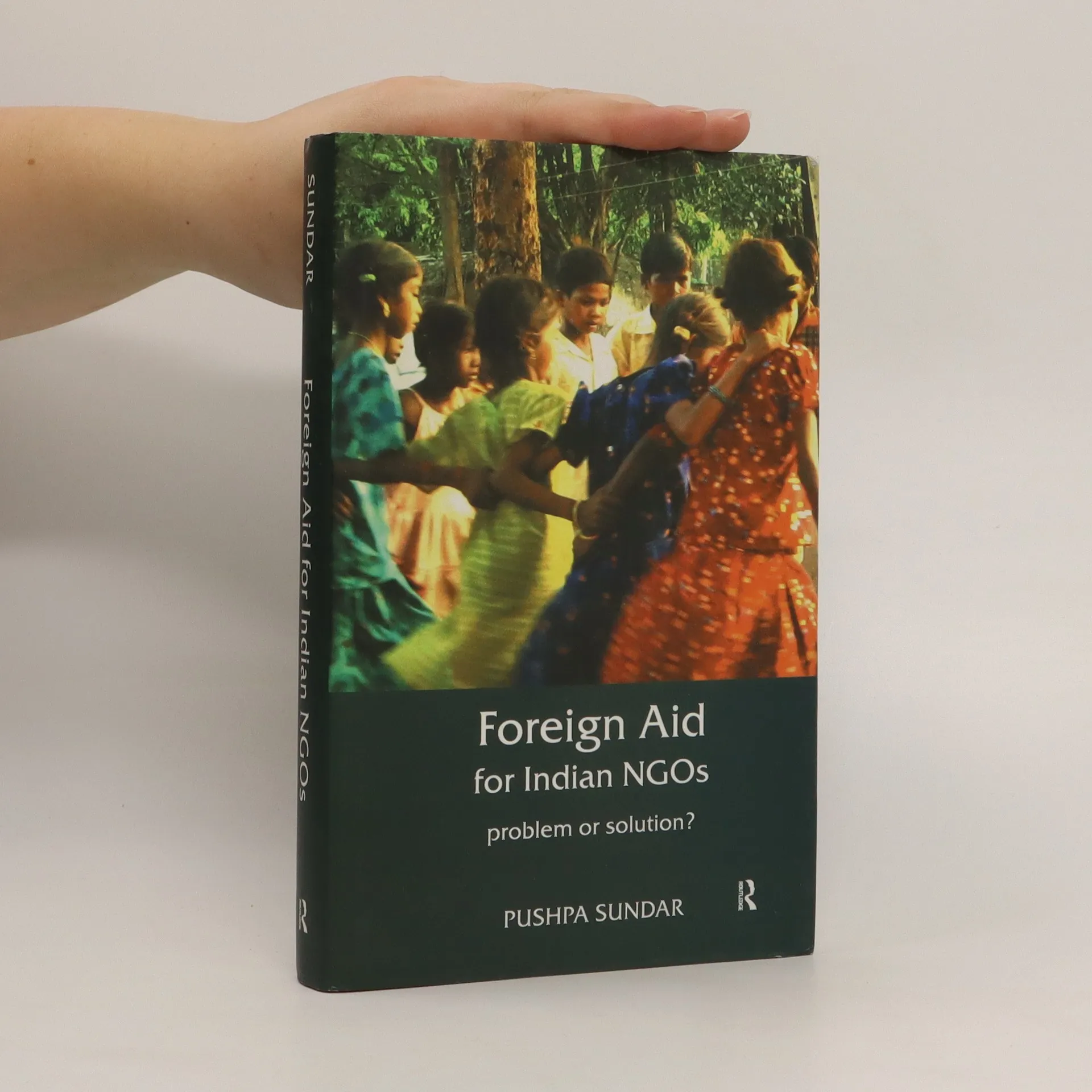
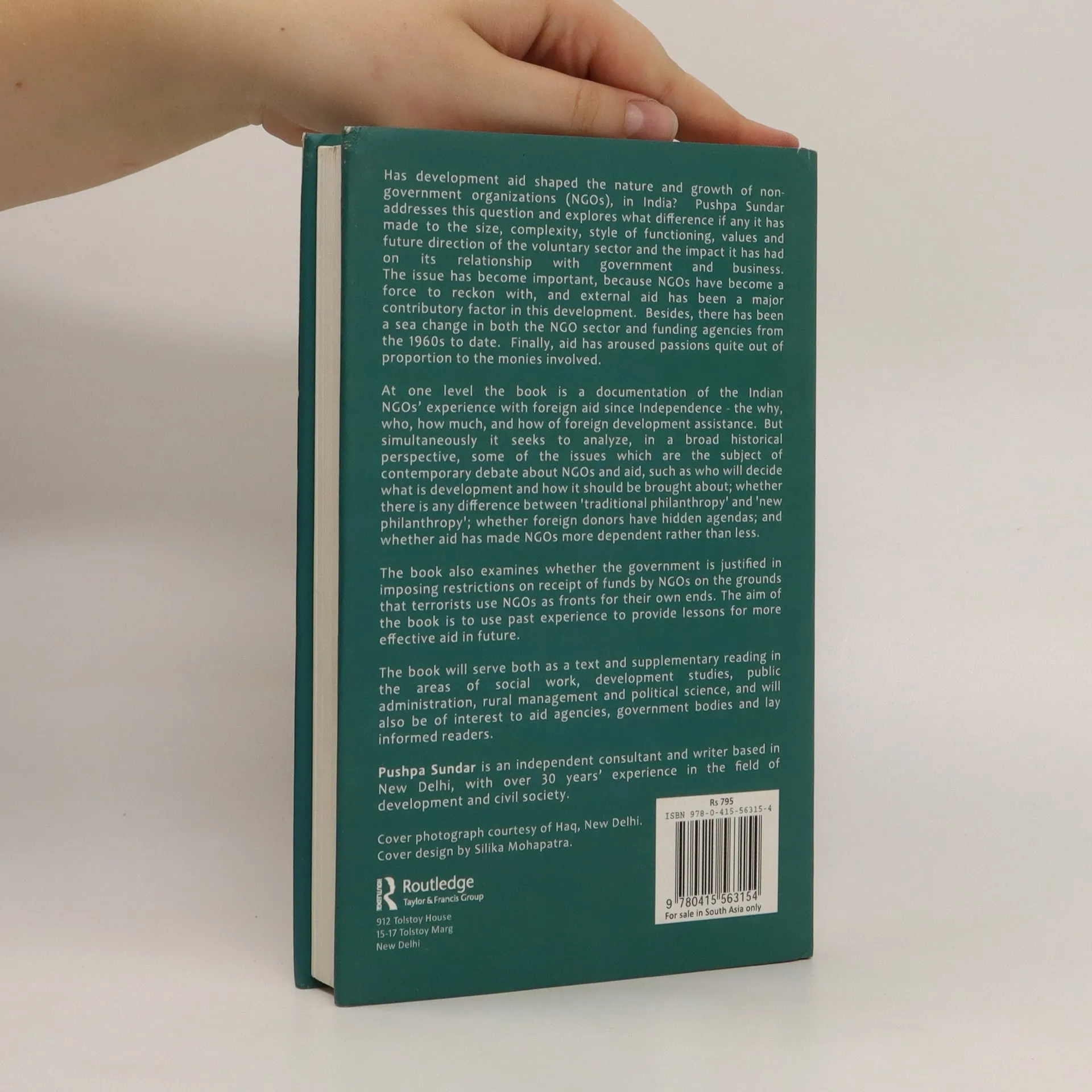
This book explores what difference development aid has made to the size, complexity, style of functioning, values and future direction of the NGO sector in India. It does this, first, by giving a comprehensive documentation of the experience of Indian NGOs with foreign aid since Independence. Simultaneously, it also analyses, in a broad historical perspective, some of the issues which are the subject of contemporary debate regarding the voluntary sector and aid, such as who decides ‘what’ is development and ‘how’ it should be brought about; whether foreign donors have hidden agendas, and if their aid amounts to cultural imperialism; and whether aid has made NGOs more self-reliant. The book also looks at the tripartite relationship between NGOs, donors, and governments, examining, for instance, whether the government is justified in imposing restrictions on receipt of funds by NGOs on the grounds that terrorist activities and religiously motivated communal strife are often financed with funds from abroad, with NGOs being used as fronts for both.
Zakup książki
Foreign aid for Indian NGOs: problem or solution?, Pushpa Sundar
- Język

- Rok wydania
- 2010
- Oprawa
- (twarda)
Metody płatności
Nikt jeszcze nie ocenił.
- Tytuł
- Foreign aid for Indian NGOs: problem or solution?
- Język
- angielski
- Autorzy
- Pushpa Sundar
- Wydawca
- Routledge
- Rok wydania
- 2010
- Oprawa
- twarda
- Liczba stron
- 363
- ISBN10
- 0415563151
- ISBN13
- 9780415563154
- Seria
- Opis
- This book explores what difference development aid has made to the size, complexity, style of functioning, values and future direction of the NGO sector in India. It does this, first, by giving a comprehensive documentation of the experience of Indian NGOs with foreign aid since Independence. Simultaneously, it also analyses, in a broad historical perspective, some of the issues which are the subject of contemporary debate regarding the voluntary sector and aid, such as who decides ‘what’ is development and ‘how’ it should be brought about; whether foreign donors have hidden agendas, and if their aid amounts to cultural imperialism; and whether aid has made NGOs more self-reliant. The book also looks at the tripartite relationship between NGOs, donors, and governments, examining, for instance, whether the government is justified in imposing restrictions on receipt of funds by NGOs on the grounds that terrorist activities and religiously motivated communal strife are often financed with funds from abroad, with NGOs being used as fronts for both.