

Więcej o książce
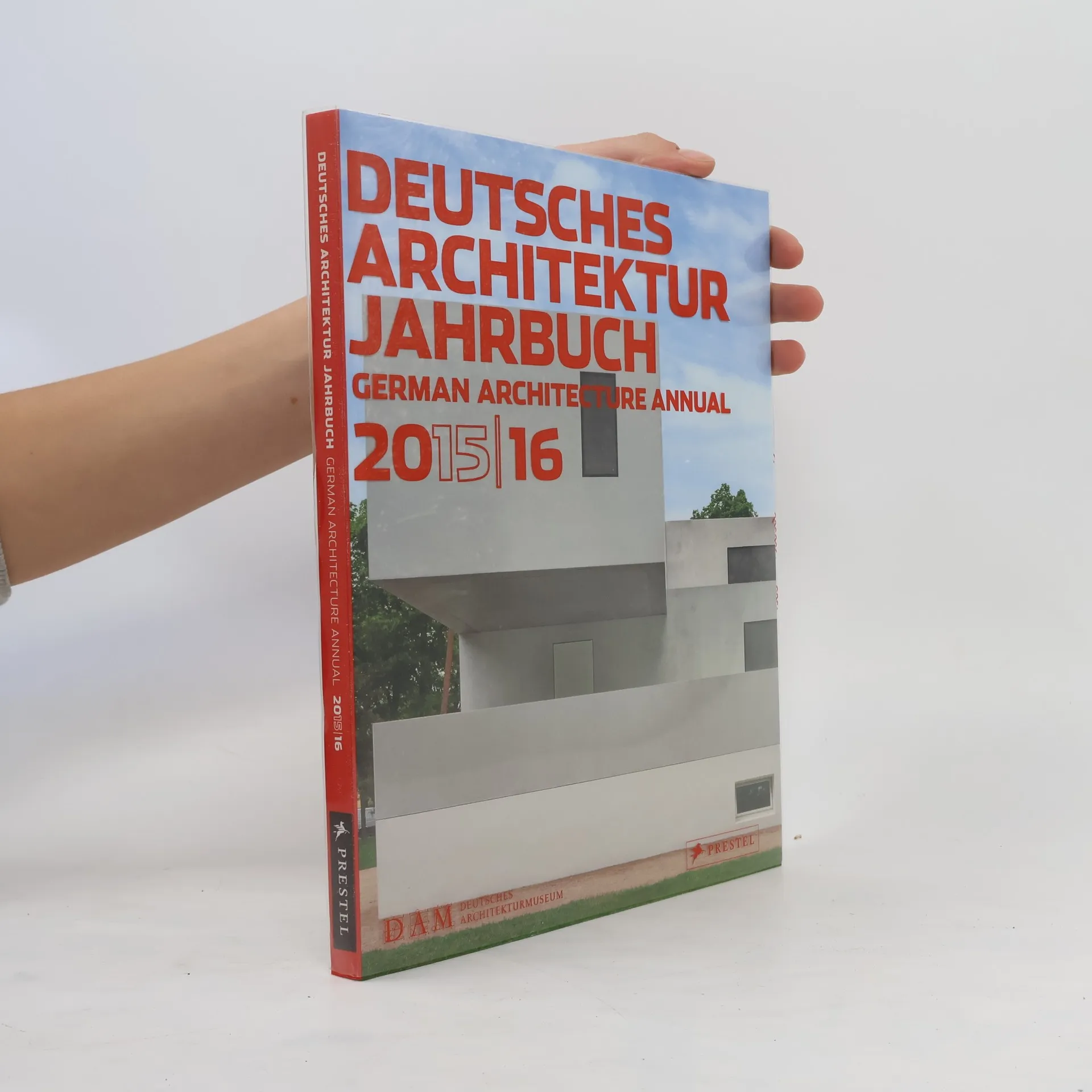
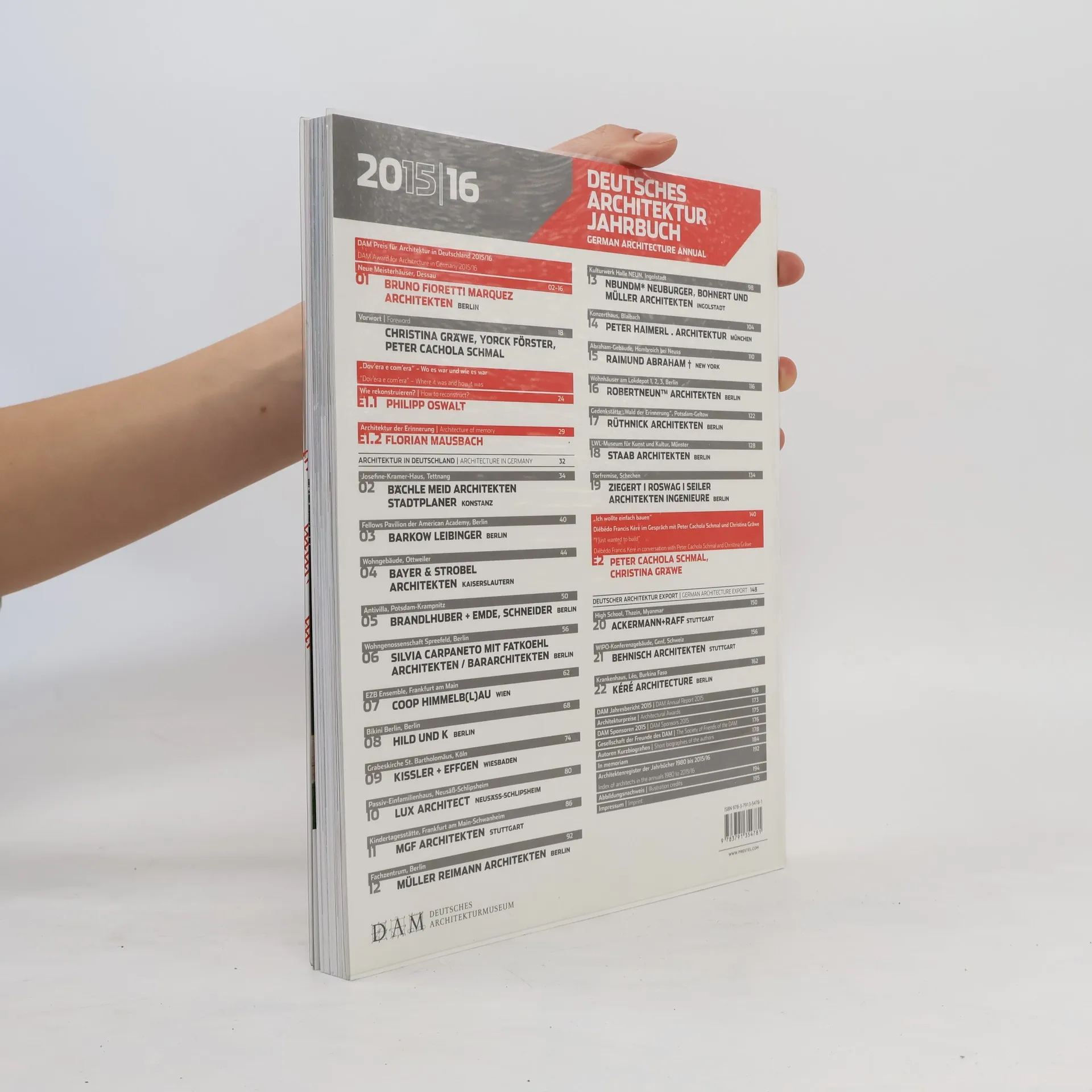
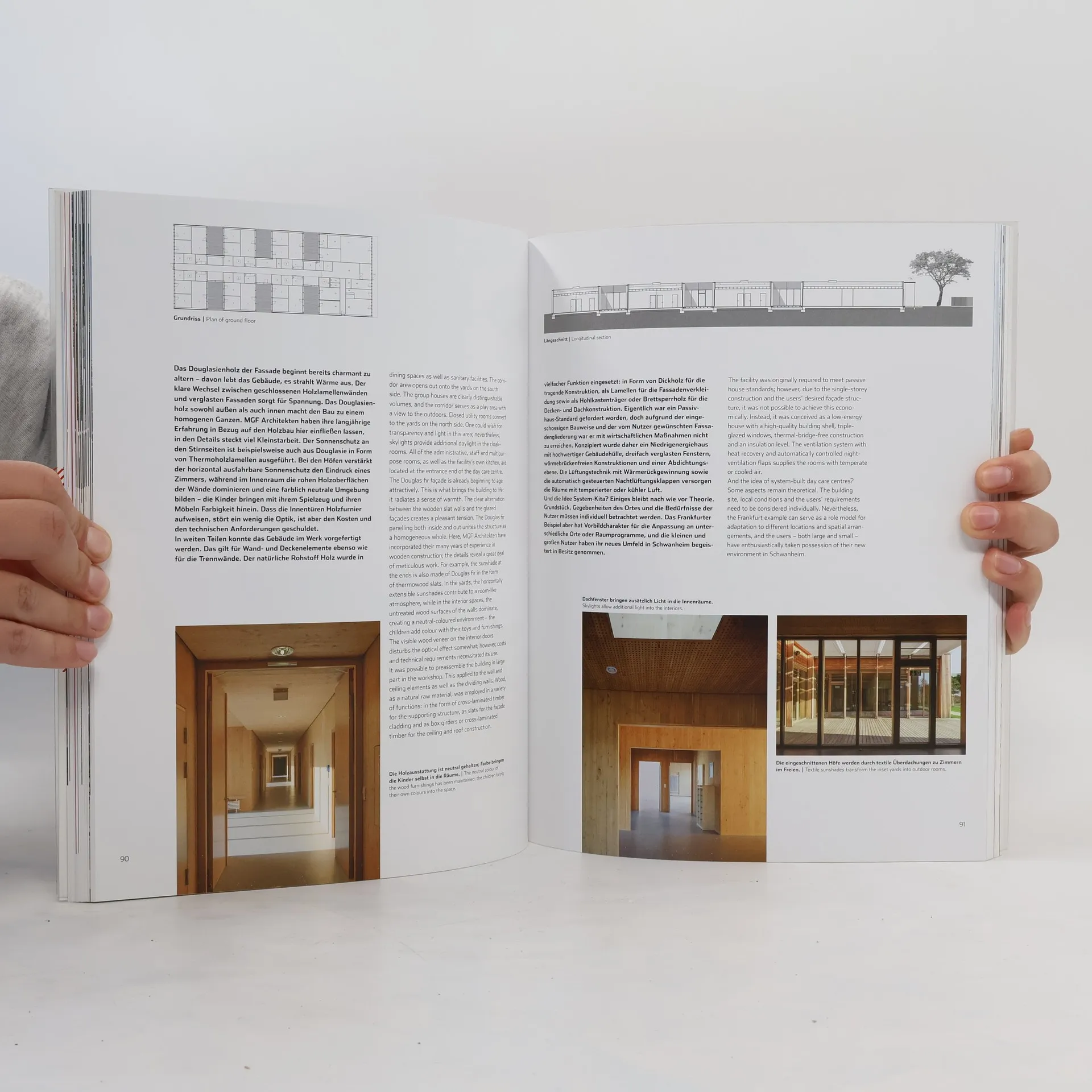
The German Architecture Museum (DAM) Annual identifies buildings constructed in Germany as well as the most significant developments in architecture created by Germans around the world. This year's winner of the DAM Award for Architecture in Germany is Bruno Fioretti Marquez Architects for their interpretive reconstruction of the Masters' Houses, which were originally designed by Walter Gropius and László MoholyNagy to house professors at the Bauhaus art school in Dessau, Germany. The book also celebrates a number of other notable projects, such as the Abraham Building by Raimund Abraham in Hombroich and the pavilion built by Barkow Leibinger for the American Academy in Berlin, and features essays that explore the often controversial practice of interpretive reconstruction and the question of architecture and responsibility.
Zakup książki
Deutsches Architektur Jahrbuch 2015/16, Peter Cachola Schmal
- Język


- Rok wydania
- 2015
- Oprawa
- (miękka)
Metody płatności
Nikt jeszcze nie ocenił.
- Tytuł
- Deutsches Architektur Jahrbuch 2015/16
- Język
- angielski, niemiecki
- Autorzy
- Peter Cachola Schmal
- Wydawca
- Prestel
- Rok wydania
- 2015
- Oprawa
- miękka
- Liczba stron
- 200
- ISBN10
- 3791354787
- ISBN13
- 9783791354781
- Seria
- Opis
- The German Architecture Museum (DAM) Annual identifies buildings constructed in Germany as well as the most significant developments in architecture created by Germans around the world. This year's winner of the DAM Award for Architecture in Germany is Bruno Fioretti Marquez Architects for their interpretive reconstruction of the Masters' Houses, which were originally designed by Walter Gropius and László MoholyNagy to house professors at the Bauhaus art school in Dessau, Germany. The book also celebrates a number of other notable projects, such as the Abraham Building by Raimund Abraham in Hombroich and the pavilion built by Barkow Leibinger for the American Academy in Berlin, and features essays that explore the often controversial practice of interpretive reconstruction and the question of architecture and responsibility.