

Seria
Więcej o książce
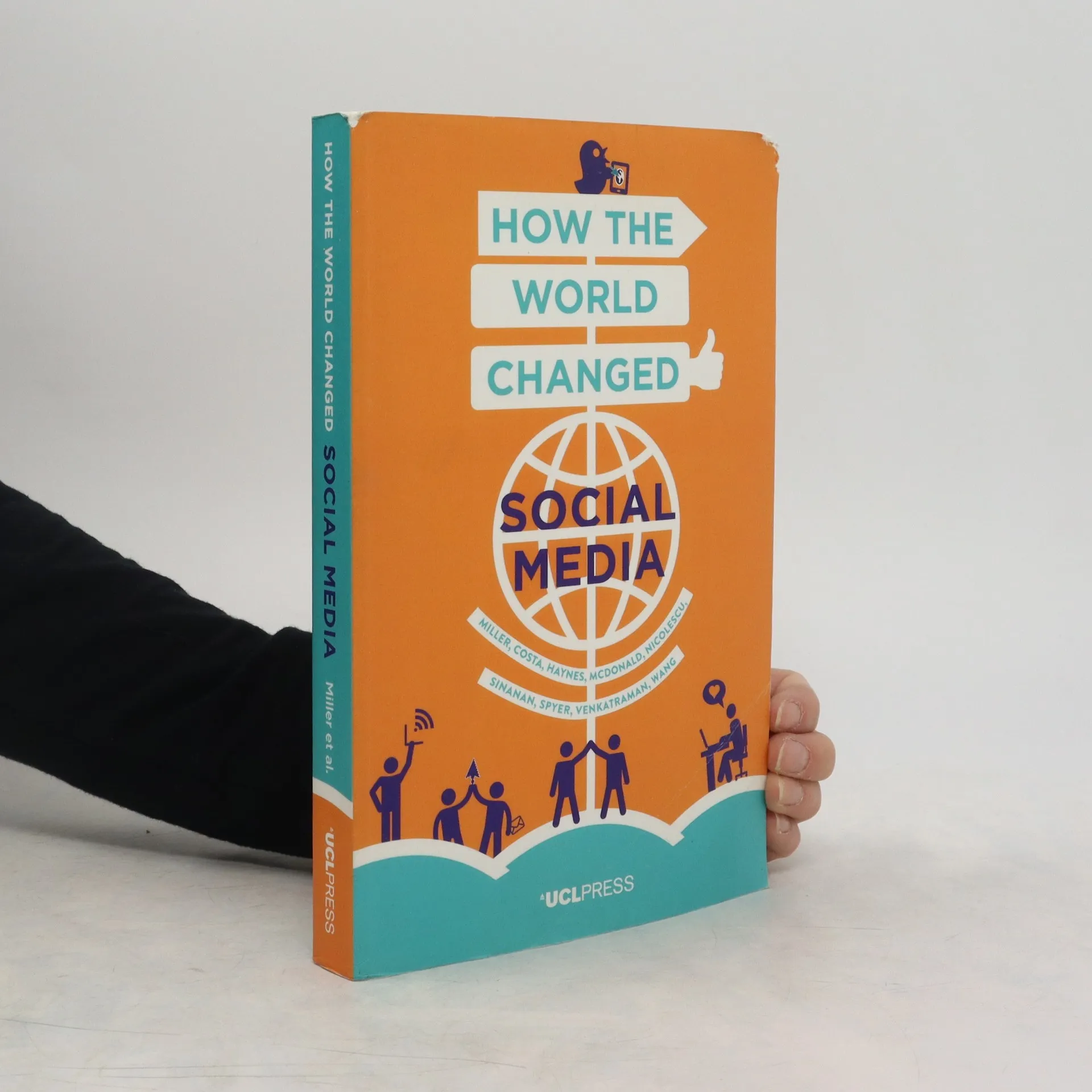
How the World Changed Social Media is the first book in Why We Post, a book series that investigates the findings of anthropologists who each spent 15 months living in communities across the world. This book offers a comparative analysis summarising the results of the research and explores the impact of social media on politics and gender, education and commerce. What is the result of the increased emphasis on visual communication? Are we becoming more individual or more social? Why is public social media so conservative? Why does equality online fail to shift inequality offline? How did memes become the moral police of the internet? Supported by an introduction to the project’s academic framework and theoretical terms that help to account for the findings, the book argues that the only way to appreciate and understand something as intimate and ubiquitous as social media is to be immersed in the lives of the people who post. Only then can we discover how people all around the world have already transformed social media in such unexpected ways and assess the consequences
Zakup książki
How the World Changed Social Media, Costantino Elisabetta
- Język

- Rok wydania
- 2016
- Oprawa
- (miękka)
Metody płatności
Brakuje nam tutaj Twojej recenzji.
- Tytuł
- How the World Changed Social Media
- Język
- angielski
- Autorzy
- Costantino Elisabetta
- Wydawca
- UCL Press
- Rok wydania
- 2016
- Oprawa
- miękka
- Liczba stron
- 286
- ISBN10
- 1910634484
- ISBN13
- 9781910634486
- Seria
- Why We Post
- Tagi
- Ocena
- 4,05 z 5
- Opis
- How the World Changed Social Media is the first book in Why We Post, a book series that investigates the findings of anthropologists who each spent 15 months living in communities across the world. This book offers a comparative analysis summarising the results of the research and explores the impact of social media on politics and gender, education and commerce. What is the result of the increased emphasis on visual communication? Are we becoming more individual or more social? Why is public social media so conservative? Why does equality online fail to shift inequality offline? How did memes become the moral police of the internet? Supported by an introduction to the project’s academic framework and theoretical terms that help to account for the findings, the book argues that the only way to appreciate and understand something as intimate and ubiquitous as social media is to be immersed in the lives of the people who post. Only then can we discover how people all around the world have already transformed social media in such unexpected ways and assess the consequences