



Więcej o książce
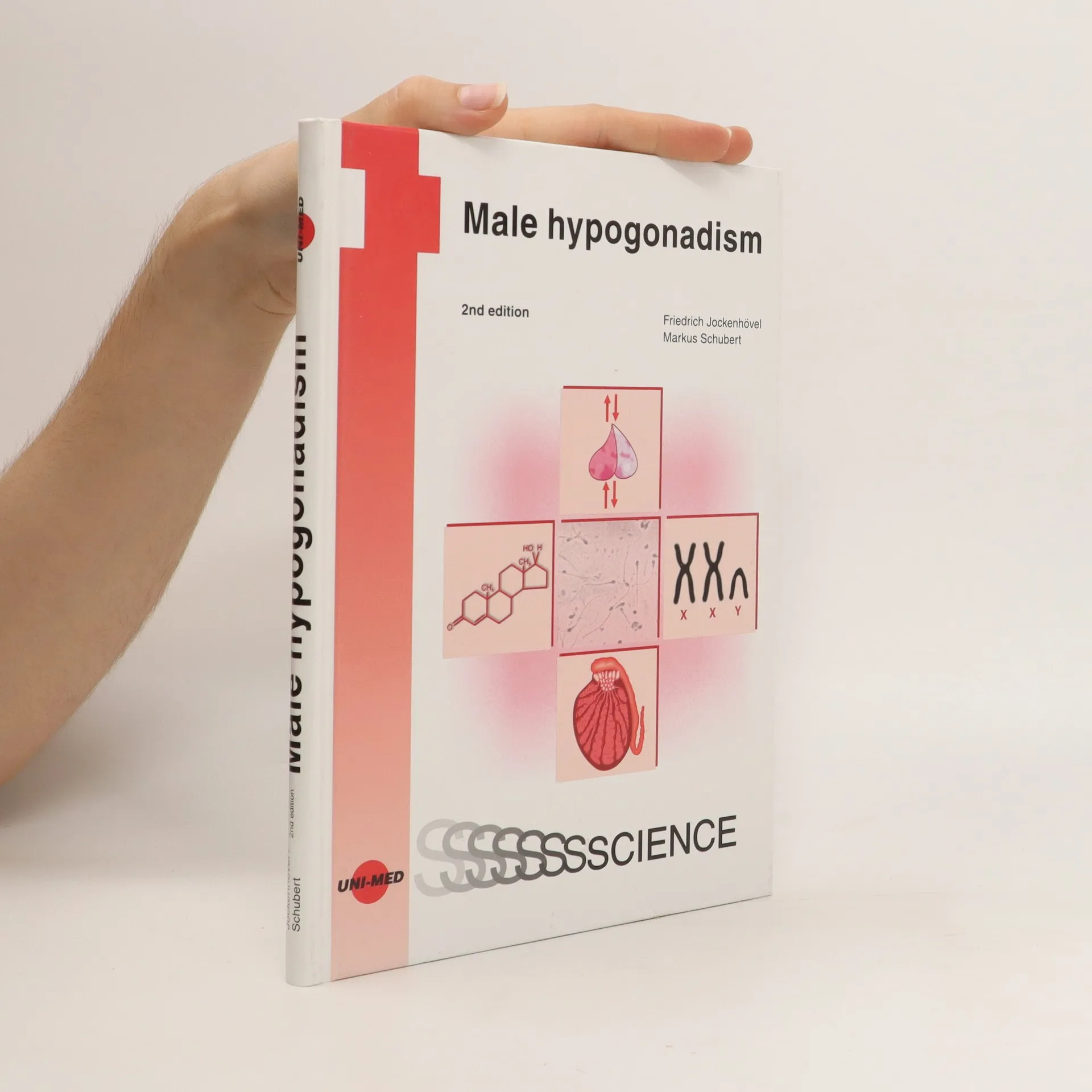
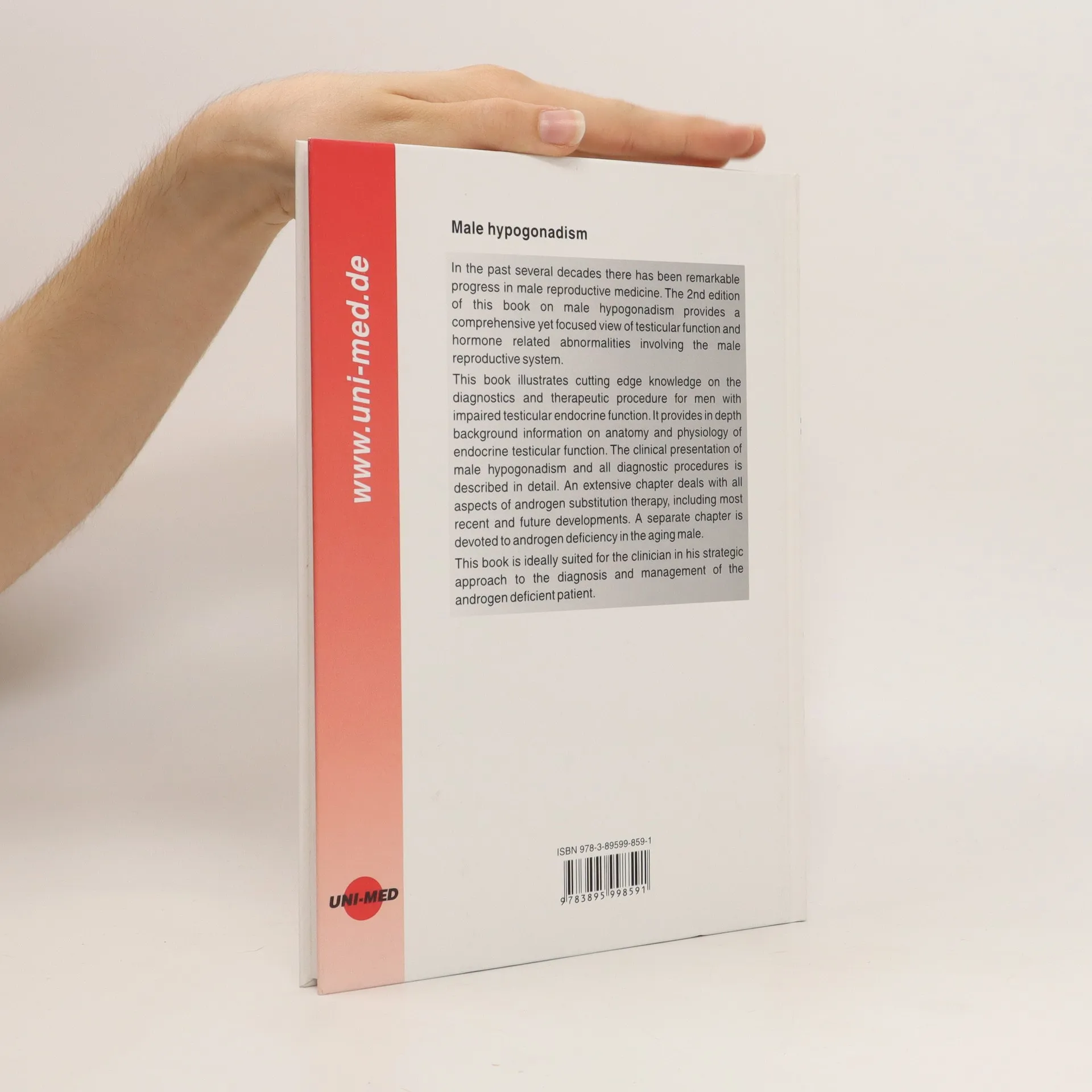
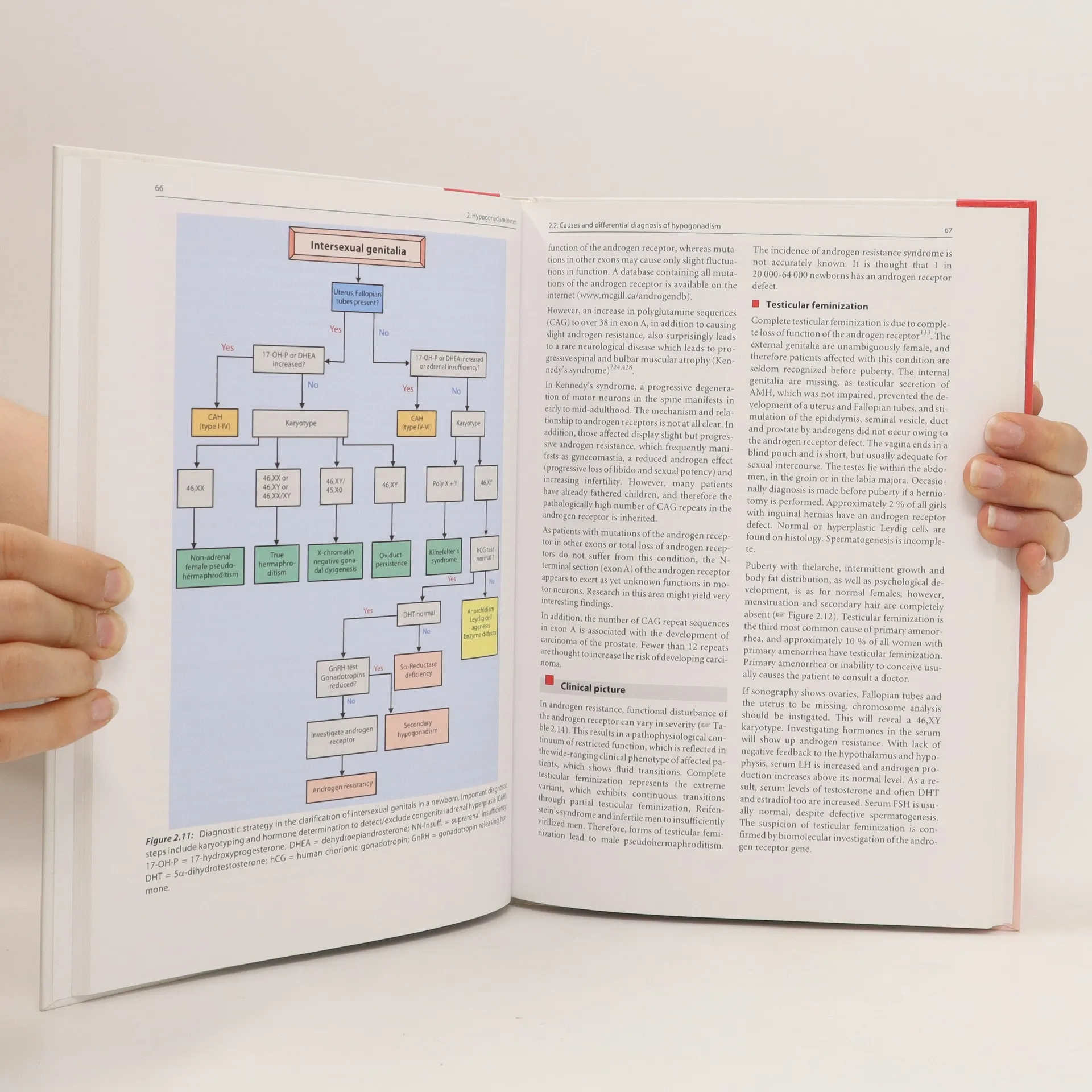
In the past several decades there has been remarkable progress in male reproductive medicine. The 2nd edition of this book on male hypogonadism provides a comprehensive yet focused view of testicular function and hormone related abnormalities involving the male reproductive system. This book illustrates cutting edge knowledge on the diagnostics and therapeutic procedure for men with impaired testicular endocrine function. It provides in depth background information on anatomy and physiology of endocrine testicular function. The clinical presentation of male hypogonadism and all diagnostic procedures is described in detail. An extensive chapter deals with all aspects of androgen substitution therapy, including most recent and future developments. A separate chapter is devoted to androgen deficiency in the aging male. This book is ideally suited for the clinician in his strategic approach to the diagnosis and management of the androgen deficient patient.
Zakup książki
Male hypogonadism, Markus Schubert, Friedrich Jockenhövel
- Język

- Rok wydania
- 2007
- Oprawa
- (twarda)
Metody płatności
Nikt jeszcze nie ocenił.
- Tytuł
- Male hypogonadism
- Język
- angielski
- Wydawca
- Uni-Med Verlag Ag
- Rok wydania
- 2007
- Oprawa
- twarda
- Liczba stron
- 192
- ISBN10
- 3895998591
- ISBN13
- 9783895998591
- Seria
- Kategorie
- Opis
- In the past several decades there has been remarkable progress in male reproductive medicine. The 2nd edition of this book on male hypogonadism provides a comprehensive yet focused view of testicular function and hormone related abnormalities involving the male reproductive system. This book illustrates cutting edge knowledge on the diagnostics and therapeutic procedure for men with impaired testicular endocrine function. It provides in depth background information on anatomy and physiology of endocrine testicular function. The clinical presentation of male hypogonadism and all diagnostic procedures is described in detail. An extensive chapter deals with all aspects of androgen substitution therapy, including most recent and future developments. A separate chapter is devoted to androgen deficiency in the aging male. This book is ideally suited for the clinician in his strategic approach to the diagnosis and management of the androgen deficient patient.