

Więcej o książce
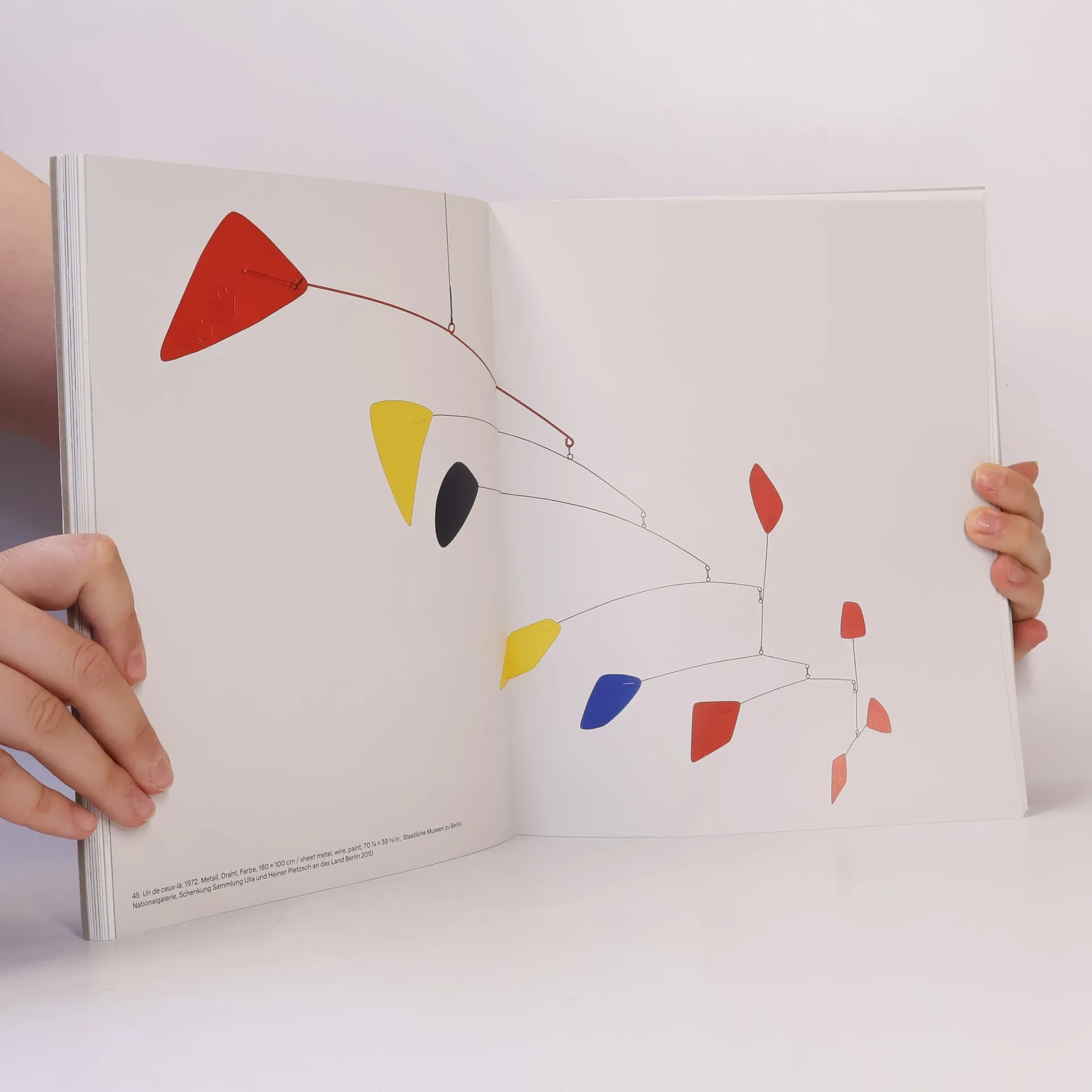
Calder’s sculptural works can fit in the palm of a hand, or tower over a city square. This fascinating exhibition catalog examines how the artist’s sensitivity to matters of size, scale and shape engaged audiences in a variety of ways. Few artists are able to work successfully on both large and small scales, but throughout his career Calder brilliantly moved from the miniature to the monumental and back again. This publication focuses on the enormous stabiles he created mostly for public places, as well as his elegant hanging mobiles in sheet metal, miniature standing mobiles, and chess sets, shedding light on the social and performative aspects of his work. Essays explore how Calder approached the effects of kinetics and space, solidity and transparency, stasis and activity, volume and void. The book also looks at how Calder’s small-scale sculptures echoed the public spectacle of his larger pieces, creating a “private drama” that encouraged direct participation. Whatever the size, Calder’s works employed movement and interaction in unpredictable ways, and this enlightening book helps readers appreciate the important continuity of his oeuvre.
Zakup książki
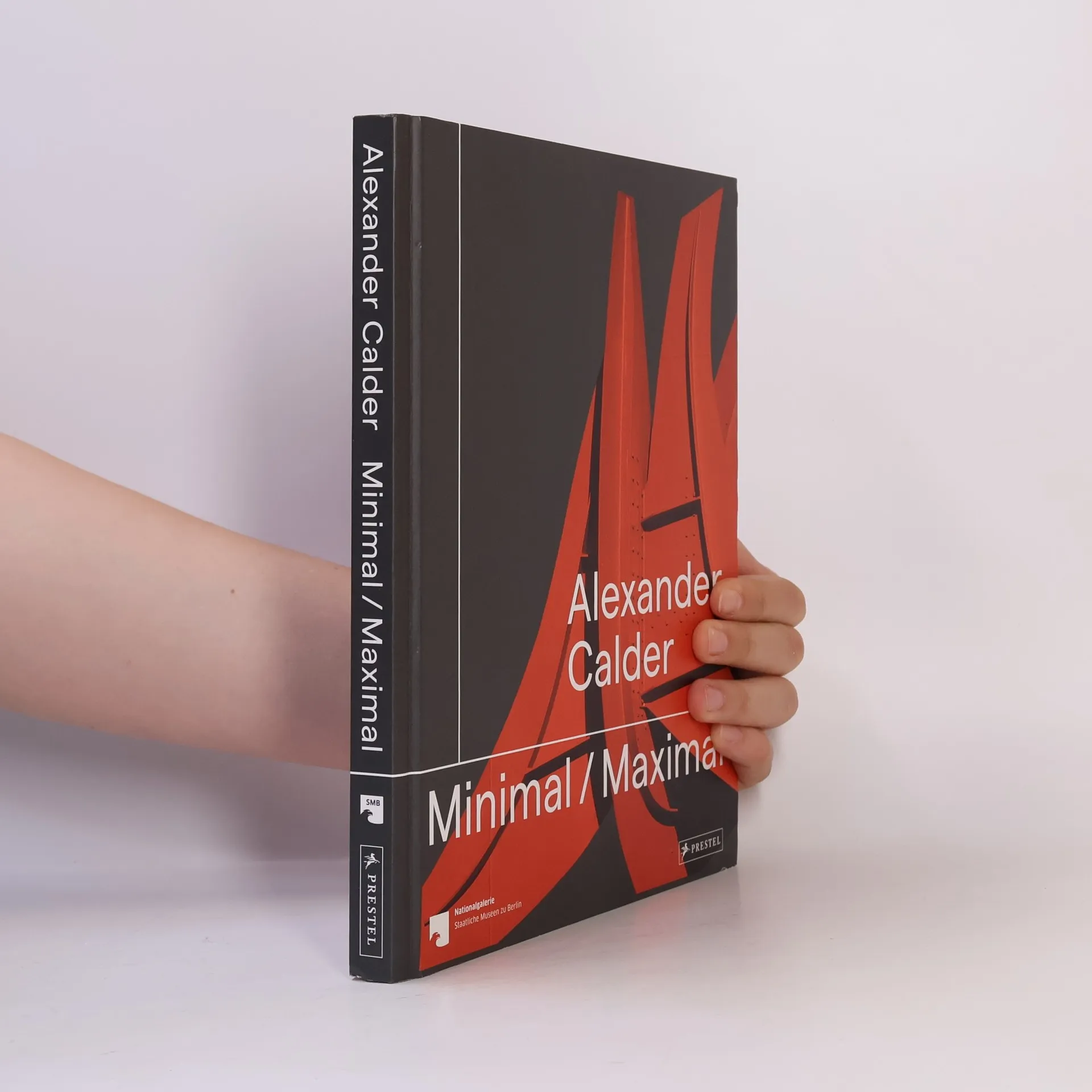
Alexander Calder: Minimal / Maximal (dt./engl.), Staatliche Museen zu Berlin
- Język


- Rok wydania
- 2021
- Oprawa
- (twarda)
Metody płatności
Brakuje nam tutaj Twojej recenzji.
- Tytuł
- Alexander Calder: Minimal / Maximal (dt./engl.)
- Język
- angielski, niemiecki
- Autorzy
- Staatliche Museen zu Berlin
- Wydawca
- Prestel Verlag
- Rok wydania
- 2021
- Oprawa
- twarda
- Liczba stron
- 200
- ISBN10
- 3791379291
- ISBN13
- 9783791379296
- Seria
- Tagi
- Ocena
- 5 z 5
- Opis
- Calder’s sculptural works can fit in the palm of a hand, or tower over a city square. This fascinating exhibition catalog examines how the artist’s sensitivity to matters of size, scale and shape engaged audiences in a variety of ways. Few artists are able to work successfully on both large and small scales, but throughout his career Calder brilliantly moved from the miniature to the monumental and back again. This publication focuses on the enormous stabiles he created mostly for public places, as well as his elegant hanging mobiles in sheet metal, miniature standing mobiles, and chess sets, shedding light on the social and performative aspects of his work. Essays explore how Calder approached the effects of kinetics and space, solidity and transparency, stasis and activity, volume and void. The book also looks at how Calder’s small-scale sculptures echoed the public spectacle of his larger pieces, creating a “private drama” that encouraged direct participation. Whatever the size, Calder’s works employed movement and interaction in unpredictable ways, and this enlightening book helps readers appreciate the important continuity of his oeuvre.