



Więcej o książce
What does it mean? Is it really art? Why does it cost so much? These questions often arise in discussions about contemporary art, yet they are not the focus of E. H. Gombrich's influential work. Gombrich's narrative ends in the 1960s, a pivotal time when artists began to reject traditional forms and challenge the very definition of art. Tony Godfrey continues this exploration, noting that contemporary art has evolved through a complex web of conflicts and debates regarding its nature. His narrative highlights the drastic shifts in social and political contexts over the past sixty years, addressing the evolving human experience in a rapidly changing world. Godfrey emphasizes the importance of diverse perspectives—critics, theorists, curators, collectors, audiences, and artists—in understanding contemporary art. Central to his discussion is the significant transformation in the perception of who creates art, moving away from the notion that it is predominantly produced by white men from North America and Western Europe. This book is compelling and insightful, offering a rich understanding of contemporary art without being overly academic, revealing how these shifts have reshaped our understanding of art today.
Zakup książki
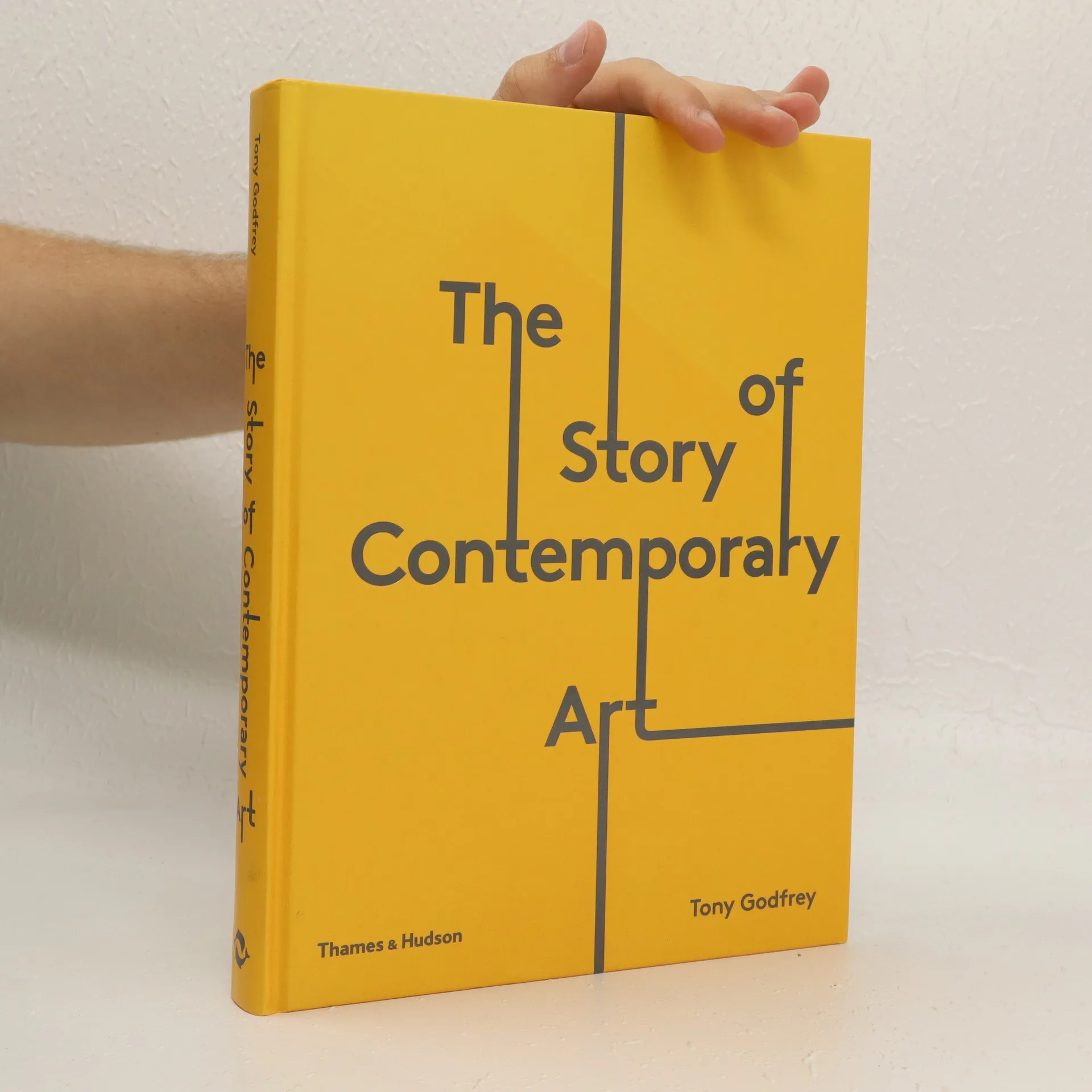
The Story of Contemporary Art : with over 200 illustrations, Tony Godfrey
- Język

- Rok wydania
- 2020
- Oprawa
- (twarda)
Metody płatności
Brakuje nam tutaj Twojej recenzji.
- Tytuł
- The Story of Contemporary Art : with over 200 illustrations
- Język
- angielski
- Autorzy
- Tony Godfrey
- Wydawca
- Thames & Hudson
- Rok wydania
- 2020
- Oprawa
- twarda
- Liczba stron
- 280
- ISBN10
- 0500239878
- ISBN13
- 9780500239872
- Seria
- Kategorie
- Ocena
- 3,8 z 5
- Opis
- What does it mean? Is it really art? Why does it cost so much? These questions often arise in discussions about contemporary art, yet they are not the focus of E. H. Gombrich's influential work. Gombrich's narrative ends in the 1960s, a pivotal time when artists began to reject traditional forms and challenge the very definition of art. Tony Godfrey continues this exploration, noting that contemporary art has evolved through a complex web of conflicts and debates regarding its nature. His narrative highlights the drastic shifts in social and political contexts over the past sixty years, addressing the evolving human experience in a rapidly changing world. Godfrey emphasizes the importance of diverse perspectives—critics, theorists, curators, collectors, audiences, and artists—in understanding contemporary art. Central to his discussion is the significant transformation in the perception of who creates art, moving away from the notion that it is predominantly produced by white men from North America and Western Europe. This book is compelling and insightful, offering a rich understanding of contemporary art without being overly academic, revealing how these shifts have reshaped our understanding of art today.