

Więcej o książce
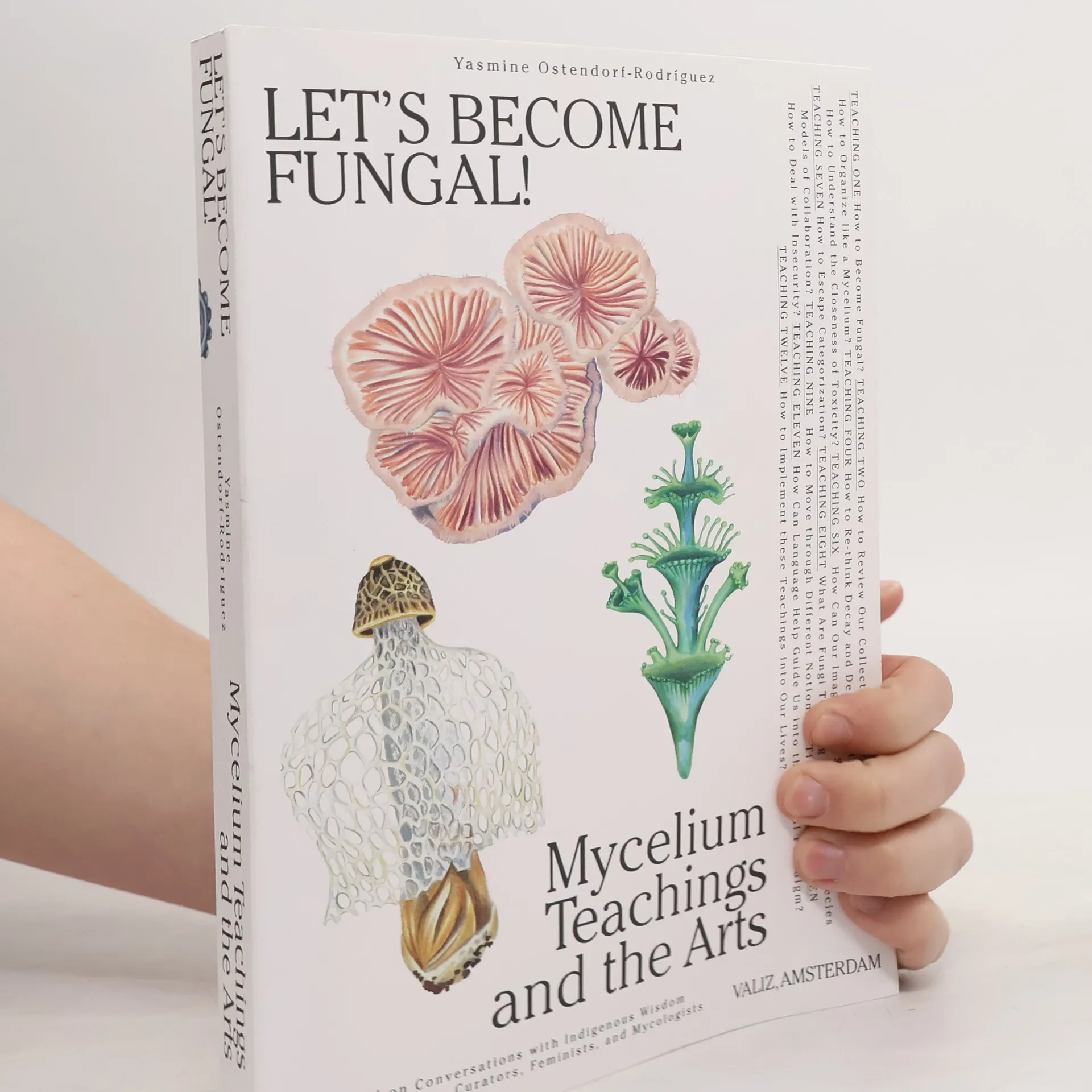
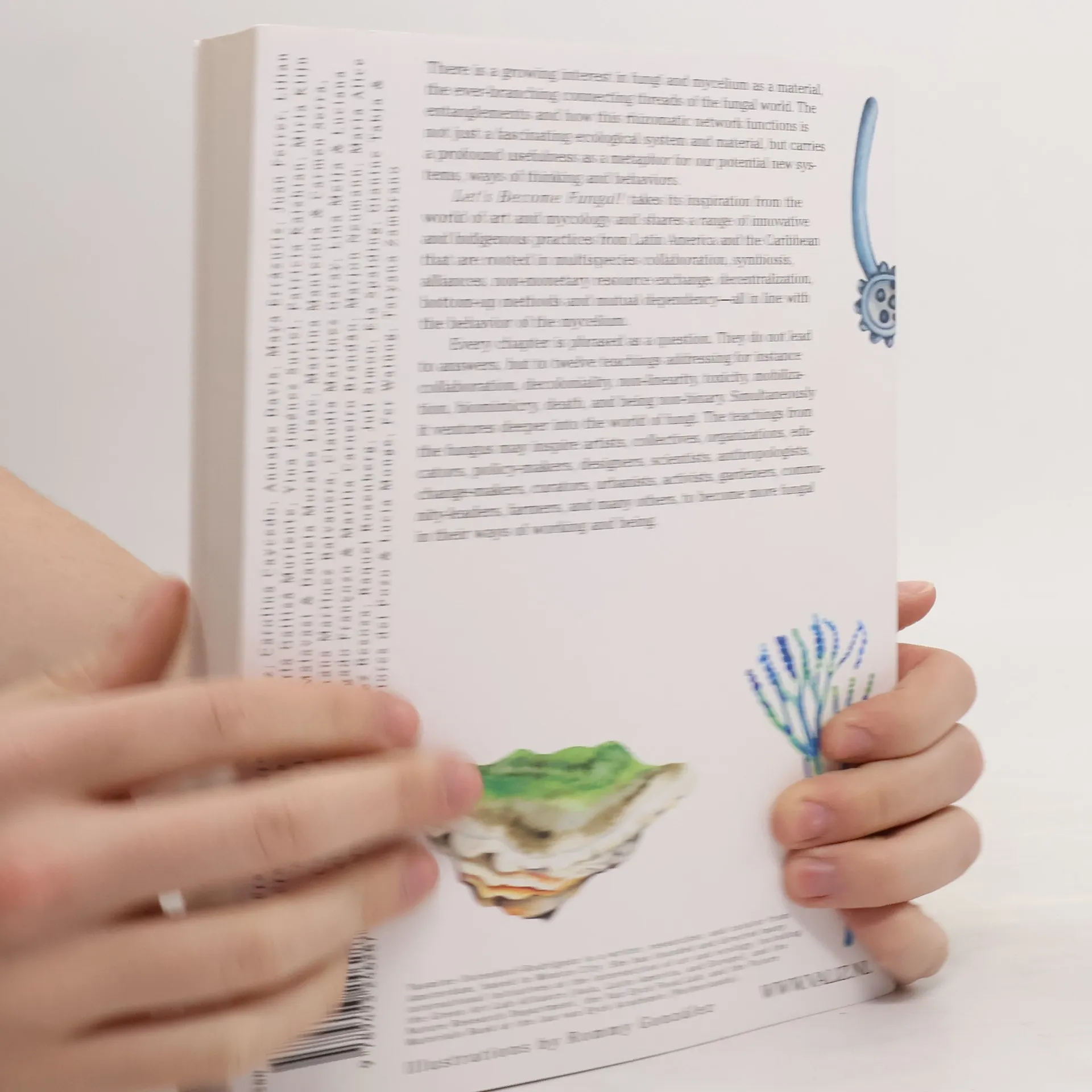
Yasmine Ostendorf-Rodríguez, a curator and researcher based in Mexico City, focuses on art and ecology. She has founded numerous international initiatives at the intersection of these fields, such as the Green Art Lab Alliance and various projects at the Jan van Eyck Academie in the Netherlands. The book explores the increasing interest in fungi and mycelium, emphasizing their ecological significance and metaphorical potential for new systems of thought and behavior. Inspired by art and mycology, the work presents innovative practices from Latin America and the Caribbean that emphasize multispecies collaboration, symbiosis, decentralized methods, and mutual dependency—mirroring the behavior of mycelium. Each chapter poses a question, leading to twelve teachings that explore themes like collaboration, decoloniality, non-linearity, toxicity, mobilization, biomimicry, death, and non-binary identities. These insights aim to inspire a diverse audience, including artists, educators, policy-makers, and activists, to adopt more fungal approaches in their practices and interactions. By delving into the world of fungi, the work encourages a deeper understanding of interconnectedness and the potential for transformative change in various fields.
Zakup książki
Let's Become Fungal!, Yasmine Ostendorf-Rodríguez
- Język

- Rok wydania
- 2023
- Oprawa
- (miękka)
Metody płatności
Brakuje nam tutaj Twojej recenzji.
- Tytuł
- Let's Become Fungal!
- Język
- angielski
- Autorzy
- Yasmine Ostendorf-Rodríguez
- Wydawca
- VALIZ
- Rok wydania
- 2023
- Oprawa
- miękka
- Liczba stron
- 336
- ISBN10
- 9493246280
- ISBN13
- 9789493246287
- Seria
- Kategorie
- Tagi
- Ocena
- 4,5 z 5
- Opis
- Yasmine Ostendorf-Rodríguez, a curator and researcher based in Mexico City, focuses on art and ecology. She has founded numerous international initiatives at the intersection of these fields, such as the Green Art Lab Alliance and various projects at the Jan van Eyck Academie in the Netherlands. The book explores the increasing interest in fungi and mycelium, emphasizing their ecological significance and metaphorical potential for new systems of thought and behavior. Inspired by art and mycology, the work presents innovative practices from Latin America and the Caribbean that emphasize multispecies collaboration, symbiosis, decentralized methods, and mutual dependency—mirroring the behavior of mycelium. Each chapter poses a question, leading to twelve teachings that explore themes like collaboration, decoloniality, non-linearity, toxicity, mobilization, biomimicry, death, and non-binary identities. These insights aim to inspire a diverse audience, including artists, educators, policy-makers, and activists, to adopt more fungal approaches in their practices and interactions. By delving into the world of fungi, the work encourages a deeper understanding of interconnectedness and the potential for transformative change in various fields.