

Parametry
- 192 strony
- 7 godzin czytania
Więcej o książce
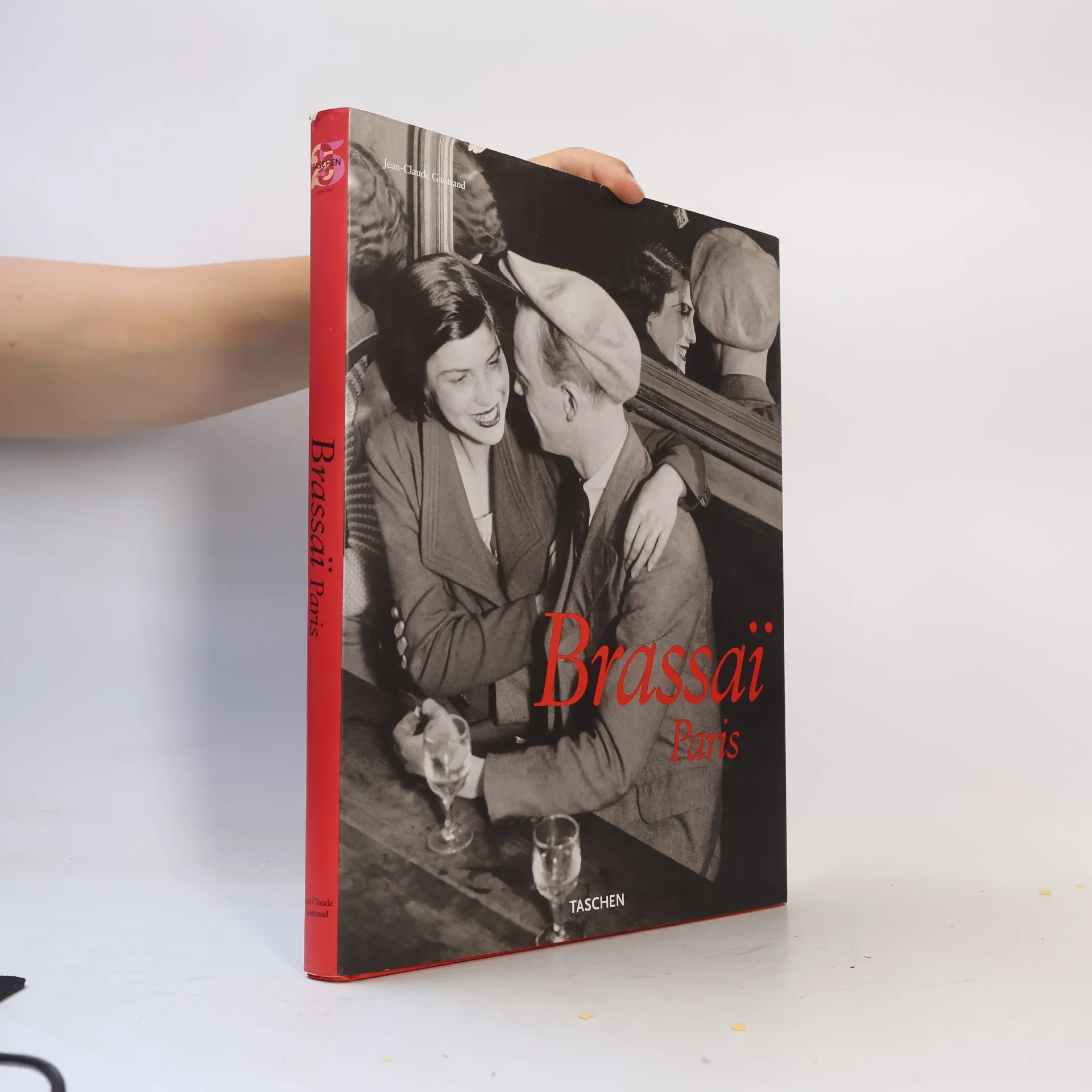
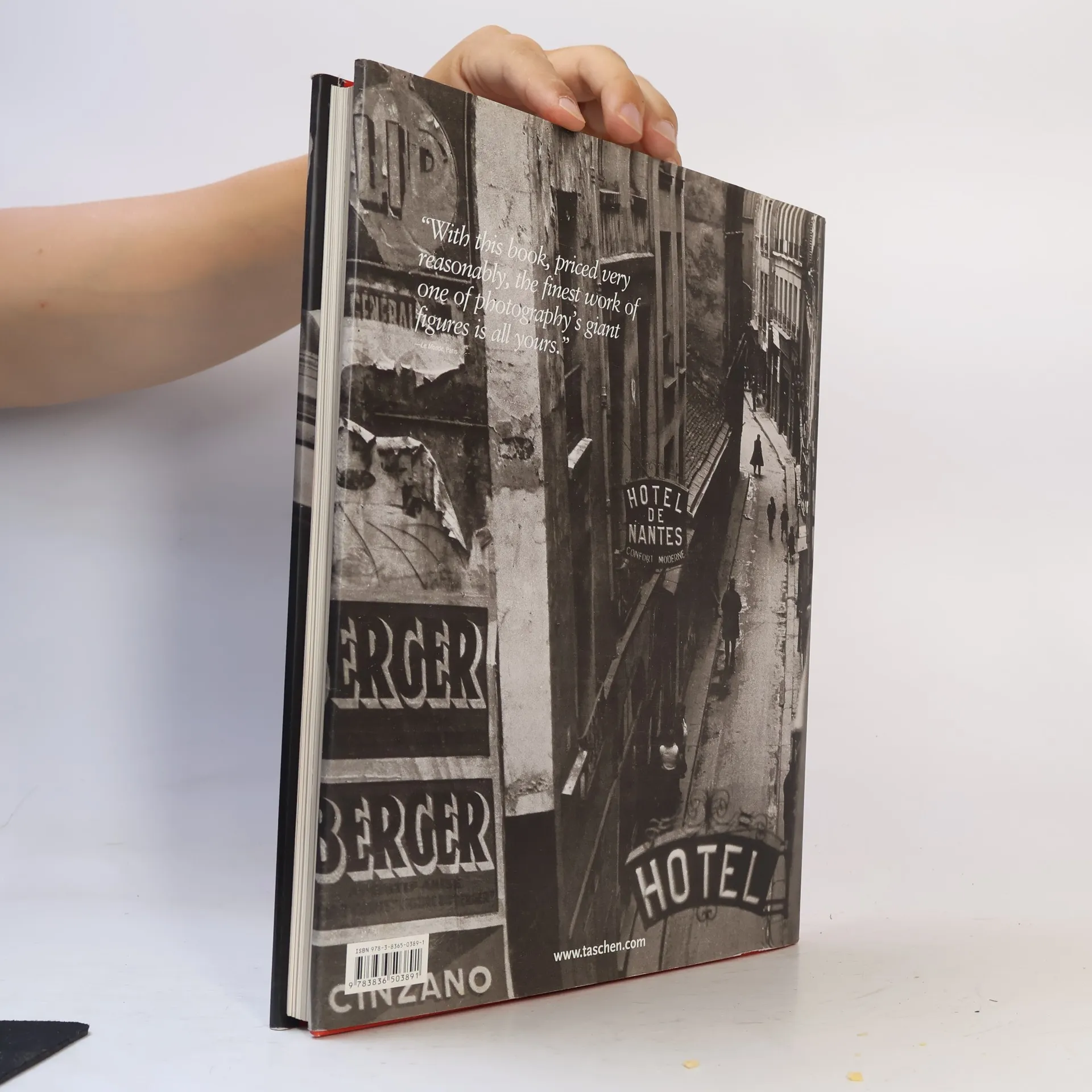
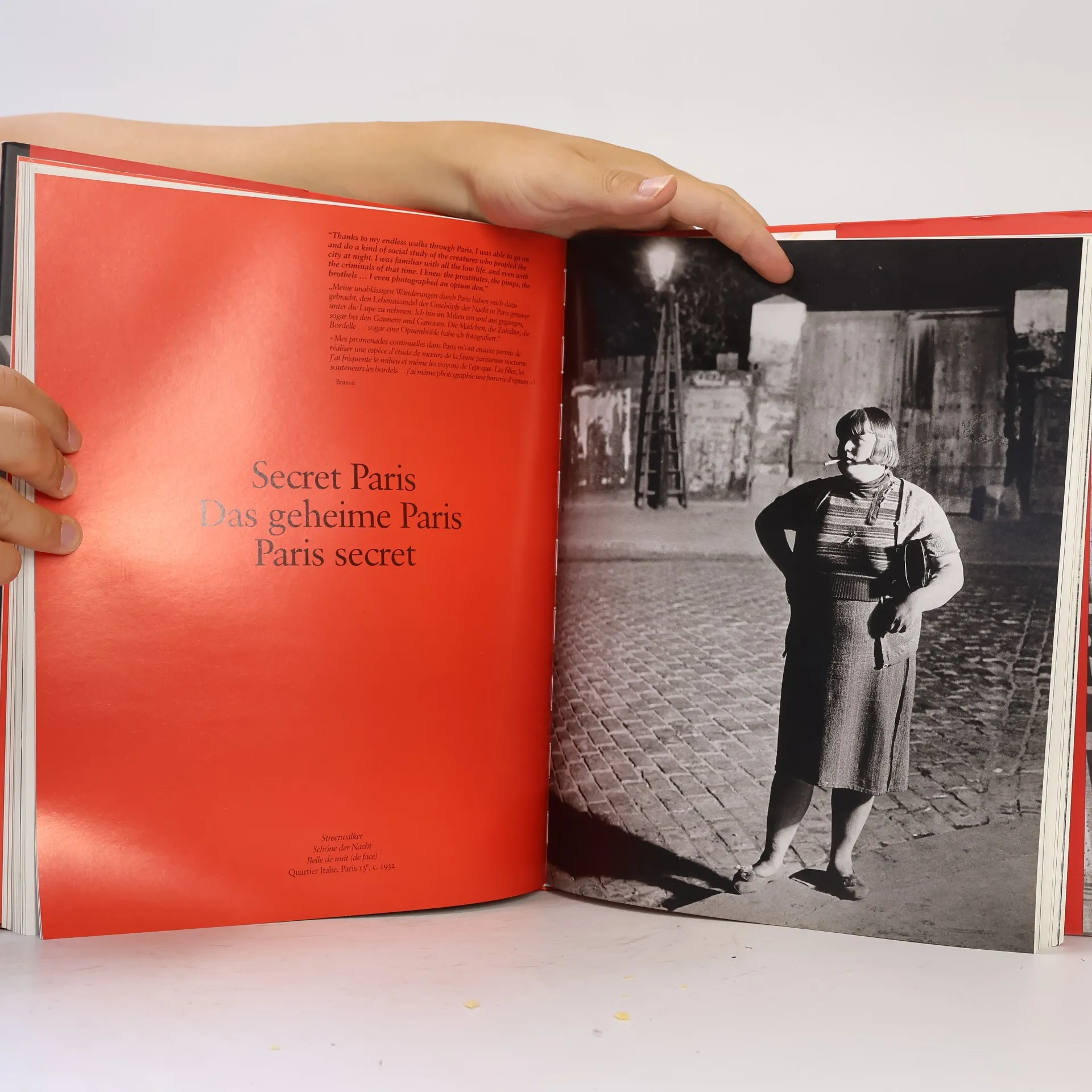
Harlots, hoodlums, and heathens in Brassaï's Paris "Brassaï is a living eye," wrote Henry Miller of the Hungarian–born artist who adopted Paris after World War I and became one of its most celebrated photographers. Originally a painter before he moved on to writing, sculpture, cinema and, most famously, photography, Brassaï (1899-1984) was a member of Paris’s cultural elite, counting Miller, Picasso, Sartre, Camus, and Cocteau, among his friends. Camera in hand, he scoured the streets and bars of Paris, unabashedly capturing the city’s inhabitants in their natural habitats. Prostitutes, hoodlums, and other ‘marginal’ characters were the most famous heroes of Brassaï’s moody, gritty photographs taken often by night. Including an extensive selection of Brassaï’s finest photographs and an essay describing his life and work, this book explores the world of Brassaï in thematic Minotaure magazine, Paris at Night, Secret Paris, Day Visions, Artists of My Life, and Graffiti and Transmutations.
Zakup książki
Brassaï: Paris 1899-1984, Jean Claude Gautrand
- Język



- Rok wydania
- 2008
- Oprawa
- (twarda),
- Stan książki
- Dobry
- Cena
- 67,57 zł
Metody płatności
Brakuje nam tutaj Twojej recenzji.
- Tytuł
- Brassaï: Paris 1899-1984
- Język
- angielski, niemiecki, francuski
- Autorzy
- Jean Claude Gautrand
- Wydawca
- Taschen
- Rok wydania
- 2008
- Oprawa
- twarda
- Liczba stron
- 192
- ISBN10
- 3836503891
- ISBN13
- 9783836503891
- Seria
- Kategorie
- Tagi
- Tematy historyczne, Sztuka, Francja, XX wiek, Fotografie
- Ocena
- 5 z 5
- Opis
- Harlots, hoodlums, and heathens in Brassaï's Paris "Brassaï is a living eye," wrote Henry Miller of the Hungarian–born artist who adopted Paris after World War I and became one of its most celebrated photographers. Originally a painter before he moved on to writing, sculpture, cinema and, most famously, photography, Brassaï (1899-1984) was a member of Paris’s cultural elite, counting Miller, Picasso, Sartre, Camus, and Cocteau, among his friends. Camera in hand, he scoured the streets and bars of Paris, unabashedly capturing the city’s inhabitants in their natural habitats. Prostitutes, hoodlums, and other ‘marginal’ characters were the most famous heroes of Brassaï’s moody, gritty photographs taken often by night. Including an extensive selection of Brassaï’s finest photographs and an essay describing his life and work, this book explores the world of Brassaï in thematic Minotaure magazine, Paris at Night, Secret Paris, Day Visions, Artists of My Life, and Graffiti and Transmutations.