

Parametry
Więcej o książce
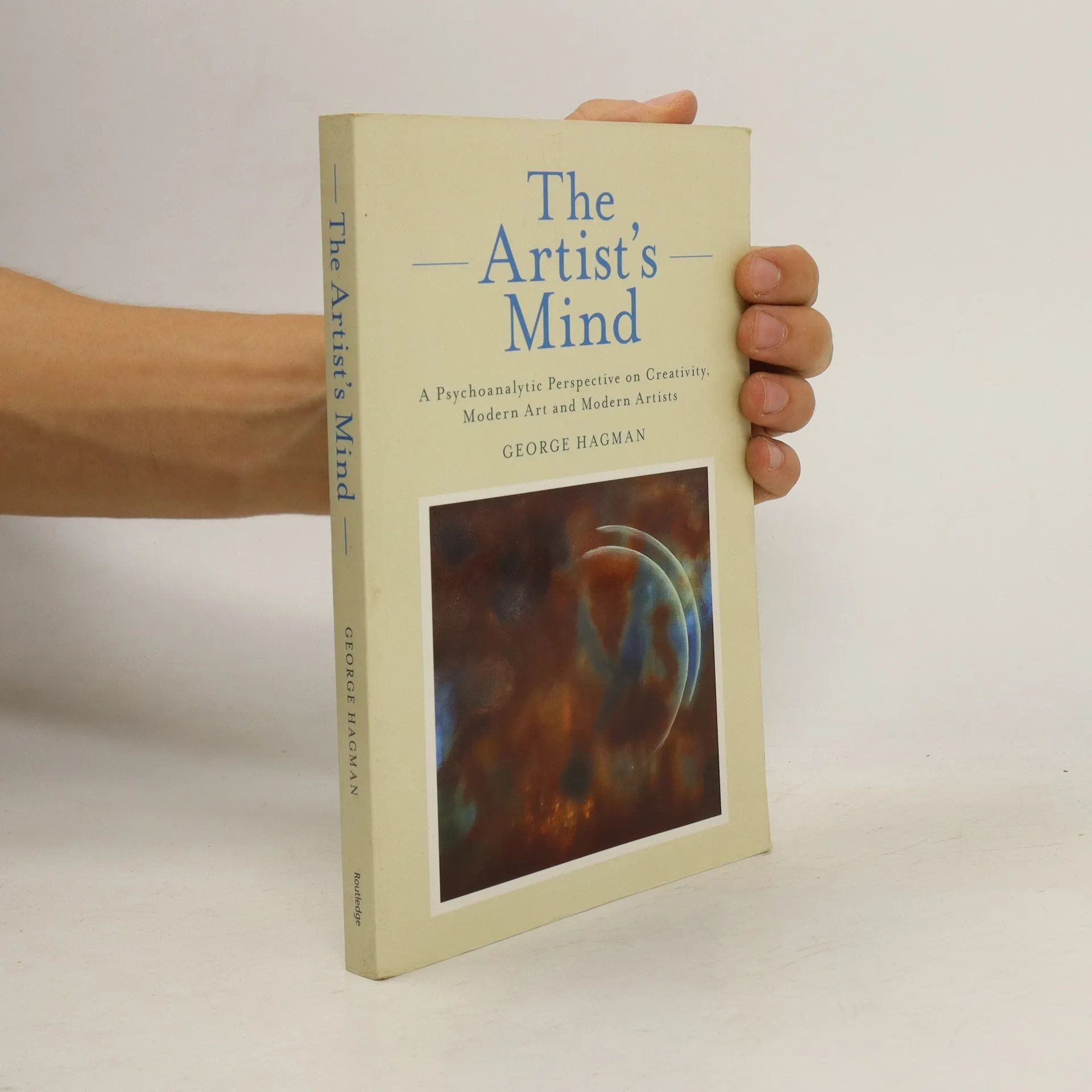
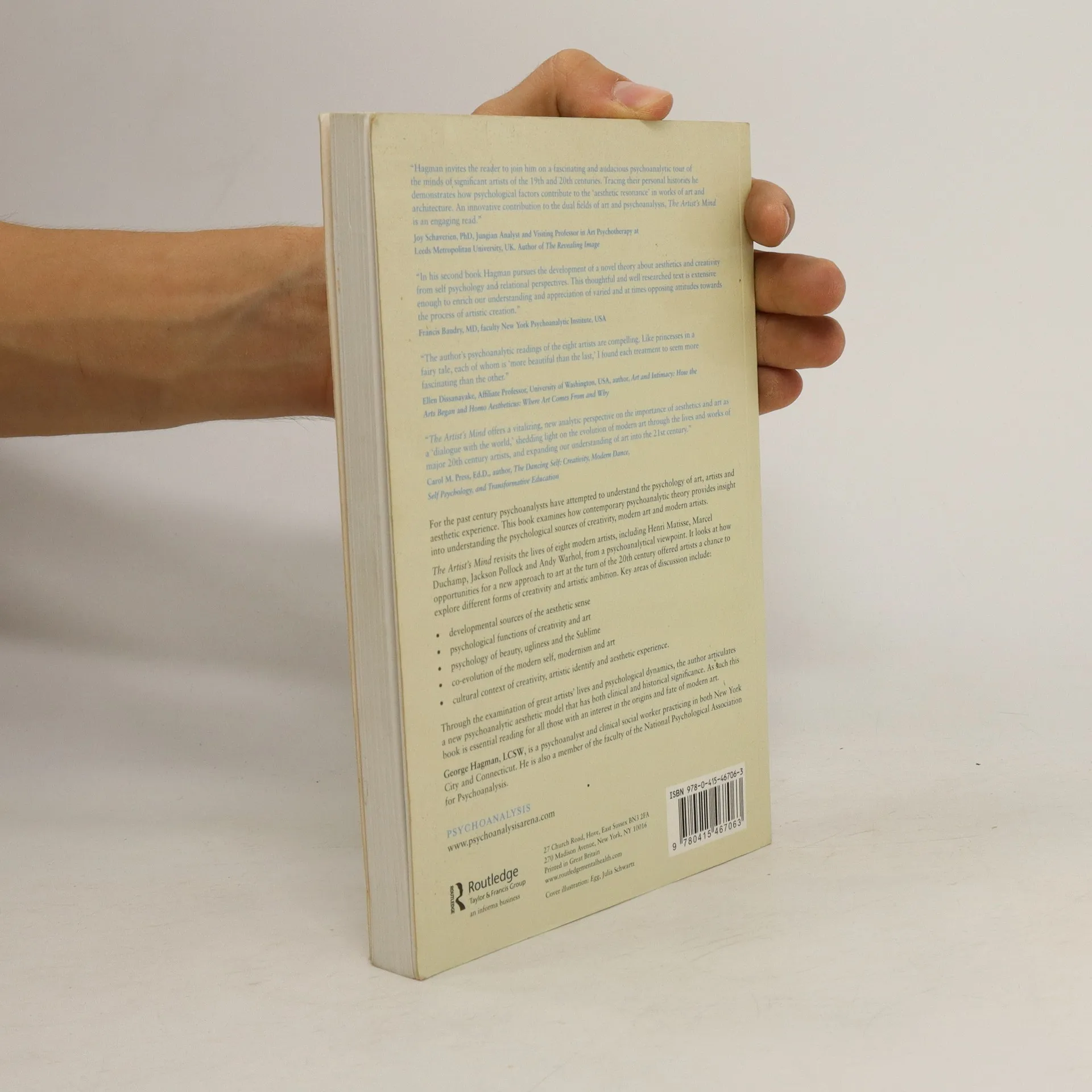
For the past century psychoanalysts have attempted to understand the psychology of art, artists and aesthetic experience. This book examines how contemporary psychoanalytic theory provides insight into understanding the psychological sources of creativity, Modern Art and modern artists. The Artist’s Mind revisits the lives of eight modern artists including Henri Matisse, Marcel Duchamp, Jackson Pollock and Andy Warhol, from a psychoanalytical viewpoint. It looks at how opportunities for a new approach to art at the turn of the twentieth century offered artists a chance to explore different forms of creativity and artistic ambition. Key areas of discussion Through the examination of great artists’ lives and psychological dynamics, the author articulates a new psychoanalytic aesthetic model that has both clinical and historical significance. As such this book is essential reading for all those with an interest in the origins and fate of Modern Art.
Zakup książki
The Artist's Mind, George Hagman
- Język

- Rok wydania
- 2010
- Oprawa
- (miękka)
Metody płatności
Brakuje nam tutaj Twojej recenzji.
- Tytuł
- The Artist's Mind
- Język
- angielski
- Autorzy
- George Hagman
- Wydawca
- Routledge
- Rok wydania
- 2010
- Oprawa
- miękka
- ISBN10
- 0415467063
- ISBN13
- 9780415467063
- Seria
- Ocena
- 4,1 z 5
- Opis
- For the past century psychoanalysts have attempted to understand the psychology of art, artists and aesthetic experience. This book examines how contemporary psychoanalytic theory provides insight into understanding the psychological sources of creativity, Modern Art and modern artists. The Artist’s Mind revisits the lives of eight modern artists including Henri Matisse, Marcel Duchamp, Jackson Pollock and Andy Warhol, from a psychoanalytical viewpoint. It looks at how opportunities for a new approach to art at the turn of the twentieth century offered artists a chance to explore different forms of creativity and artistic ambition. Key areas of discussion Through the examination of great artists’ lives and psychological dynamics, the author articulates a new psychoanalytic aesthetic model that has both clinical and historical significance. As such this book is essential reading for all those with an interest in the origins and fate of Modern Art.