

Więcej o książce
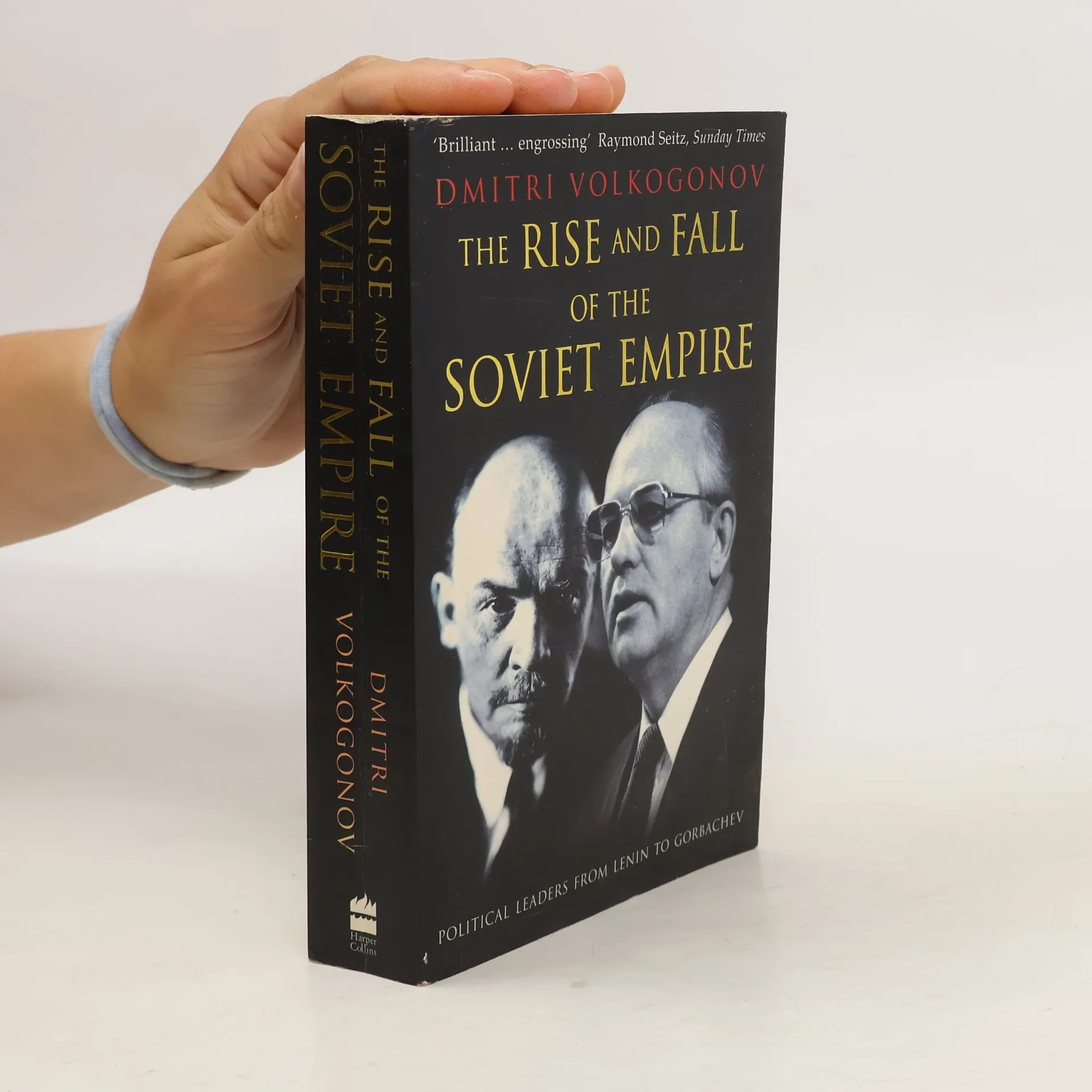
A former general in the Soviet Army's propaganda department, Director of the Institute for Military History, and Defence Adviser to President Yeltsin from 1991 to his death from cancer in December 1995, Dmitri Volkogonov had unrivalled access to Soviet military archives, Communist Party documents and secret presidential files. Basing this book on these inside sources, he reveals the truth behind the activities of the world's most secretive political leaders. He throws new light on: Lenin's paranoia about foreigners in Russia; his creation of a privileged system for top Party members; Stalin's repression of the nationalities and his singular conduct of foreign policy; the origins and conduct of the Korean War; Khrushchev's relationship with the odious secret service chief Beria; Brezhnev's vanity and stupidity; the Afghan War; Poland and Solidarity; Soviet bureaucracy; and Gorbachev's Leninism and role in history.
Zakup książki
The rise and fall of the Soviet empire. Political leaders from Lenin to Gorbachev, Dmitrij Antonovič Volkogonov, Harold Shukman
- Język

- Rok wydania
- 1999
- Oprawa
- (miękka)
Metody płatności
Brakuje nam tutaj Twojej recenzji.
- Tytuł
- The rise and fall of the Soviet empire. Political leaders from Lenin to Gorbachev
- Język
- angielski
- Wydawca
- HarperCollins
- Rok wydania
- 1999
- Oprawa
- miękka
- Liczba stron
- 570
- ISBN10
- 0006388183
- ISBN13
- 9780006388180
- Seria
- Tagi
- Tematy historyczne, Rosja
- Ocena
- 4,15 z 5
- Opis
- A former general in the Soviet Army's propaganda department, Director of the Institute for Military History, and Defence Adviser to President Yeltsin from 1991 to his death from cancer in December 1995, Dmitri Volkogonov had unrivalled access to Soviet military archives, Communist Party documents and secret presidential files. Basing this book on these inside sources, he reveals the truth behind the activities of the world's most secretive political leaders. He throws new light on: Lenin's paranoia about foreigners in Russia; his creation of a privileged system for top Party members; Stalin's repression of the nationalities and his singular conduct of foreign policy; the origins and conduct of the Korean War; Khrushchev's relationship with the odious secret service chief Beria; Brezhnev's vanity and stupidity; the Afghan War; Poland and Solidarity; Soviet bureaucracy; and Gorbachev's Leninism and role in history.