




Więcej o książce
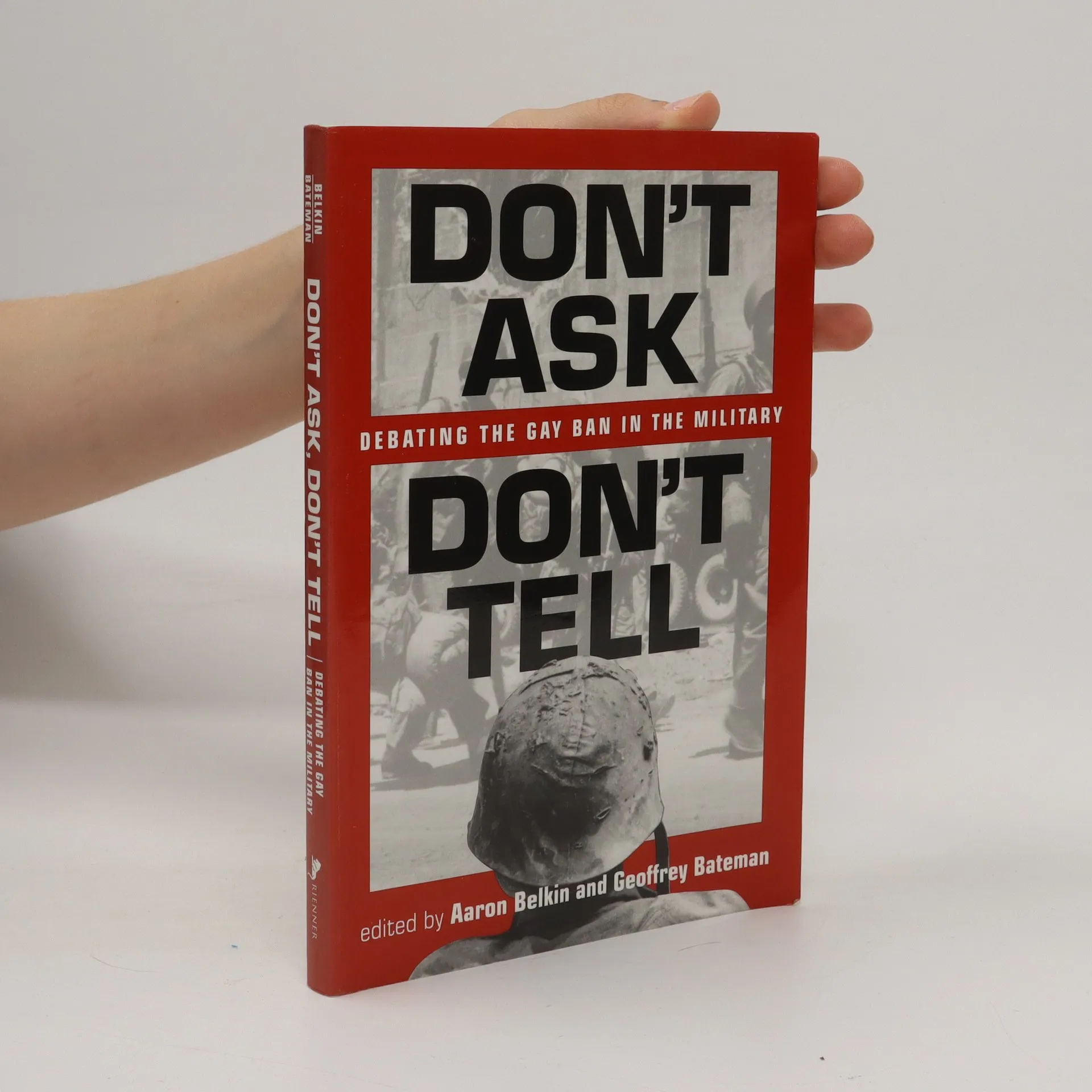
Conservatives and liberals agree that President Bill Clinton's effort to lift the military's gay ban was perhaps one of the greatest blunders of his tenure in office. Conservatives argue that Clinton should have left well enough alone; liberals believe that he should have ordered the military to accept homosexuals rather than agreeing to the compromise "don't ask, don't tell" policy. In this ground-breaking book, experts of both persuasions come together to debate the critical aspects of the gays-in-the-military issue. The participants consider whether homosexuals undermine military performance; whether they threaten heterosexual privacy; and whether the experiences of militaries in other countries have relevance for the United States. They also explore the human, organizational, and dollar costs of the present policy. Belkin and Bateman provide a thorough context for the transcripts of the deliberations, as well as a discussion of the implications of the participants' conclusions for current U.S. policy.
Zakup książki
Don't Ask, Don't Tell: Debating the Gay Ban in the Military, Aaron Belkin, Geoffrey Bateman
- Język

- Rok wydania
- 2003
- Oprawa
- (miękka)
Metody płatności
Brakuje nam tutaj Twojej recenzji.
- Tytuł
- Don't Ask, Don't Tell: Debating the Gay Ban in the Military
- Język
- angielski
- Autorzy
- Aaron Belkin, Geoffrey Bateman
- Wydawca
- Lynne Rienner Publishers
- Rok wydania
- 2003
- Oprawa
- miękka
- Liczba stron
- 200
- ISBN10
- 1588261468
- ISBN13
- 9781588261465
- Seria
- Ocena
- 5 z 5
- Opis
- Conservatives and liberals agree that President Bill Clinton's effort to lift the military's gay ban was perhaps one of the greatest blunders of his tenure in office. Conservatives argue that Clinton should have left well enough alone; liberals believe that he should have ordered the military to accept homosexuals rather than agreeing to the compromise "don't ask, don't tell" policy. In this ground-breaking book, experts of both persuasions come together to debate the critical aspects of the gays-in-the-military issue. The participants consider whether homosexuals undermine military performance; whether they threaten heterosexual privacy; and whether the experiences of militaries in other countries have relevance for the United States. They also explore the human, organizational, and dollar costs of the present policy. Belkin and Bateman provide a thorough context for the transcripts of the deliberations, as well as a discussion of the implications of the participants' conclusions for current U.S. policy.