

Więcej o książce
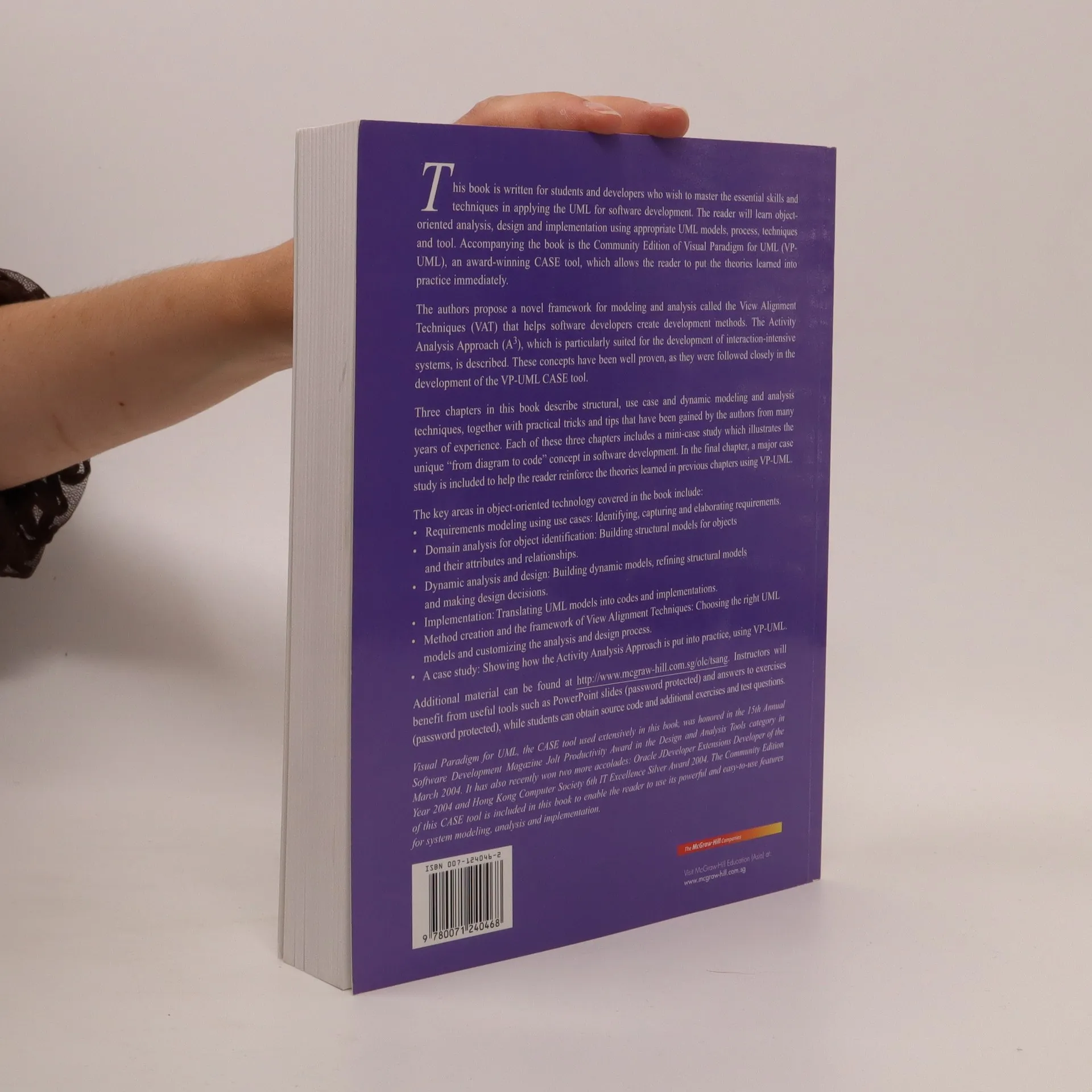
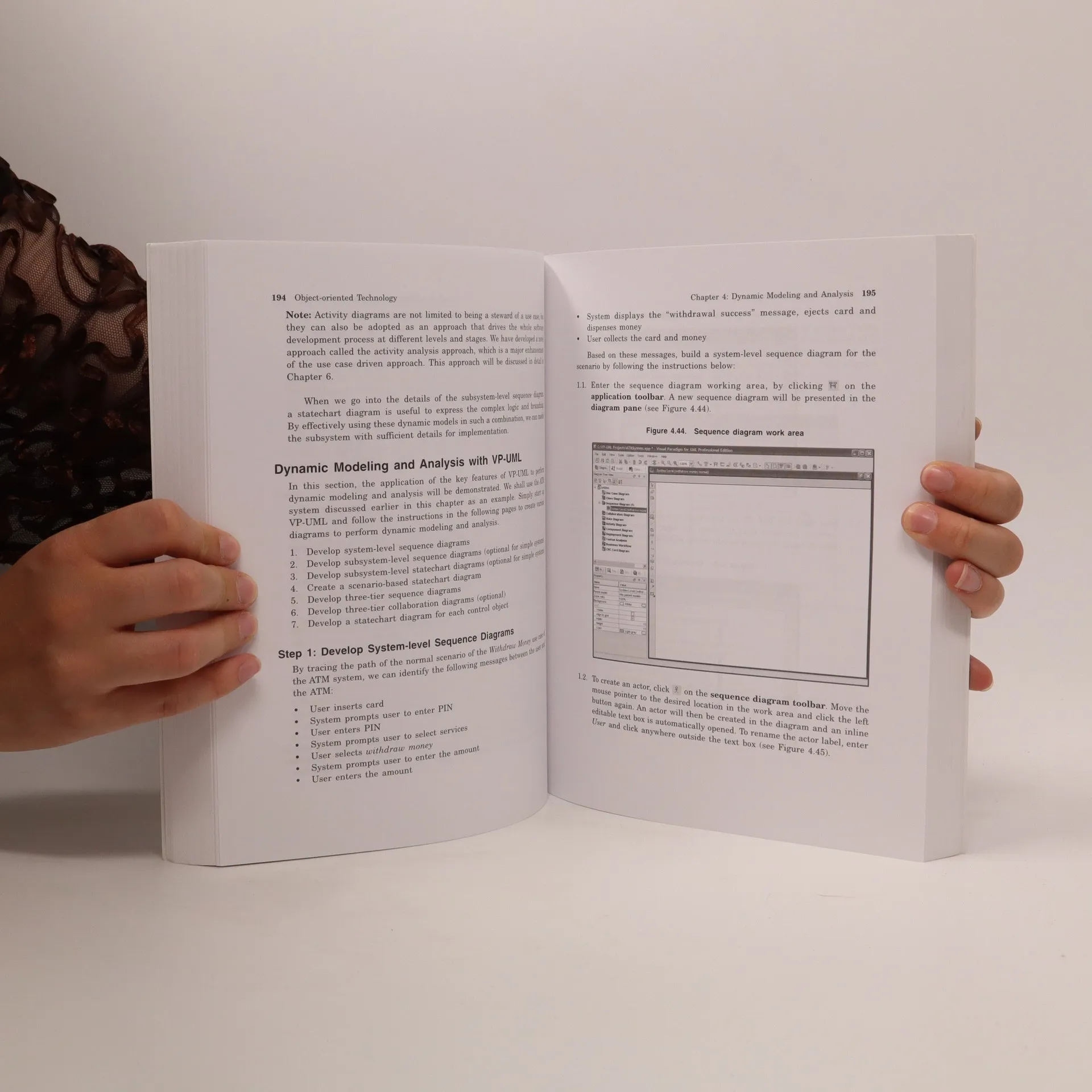
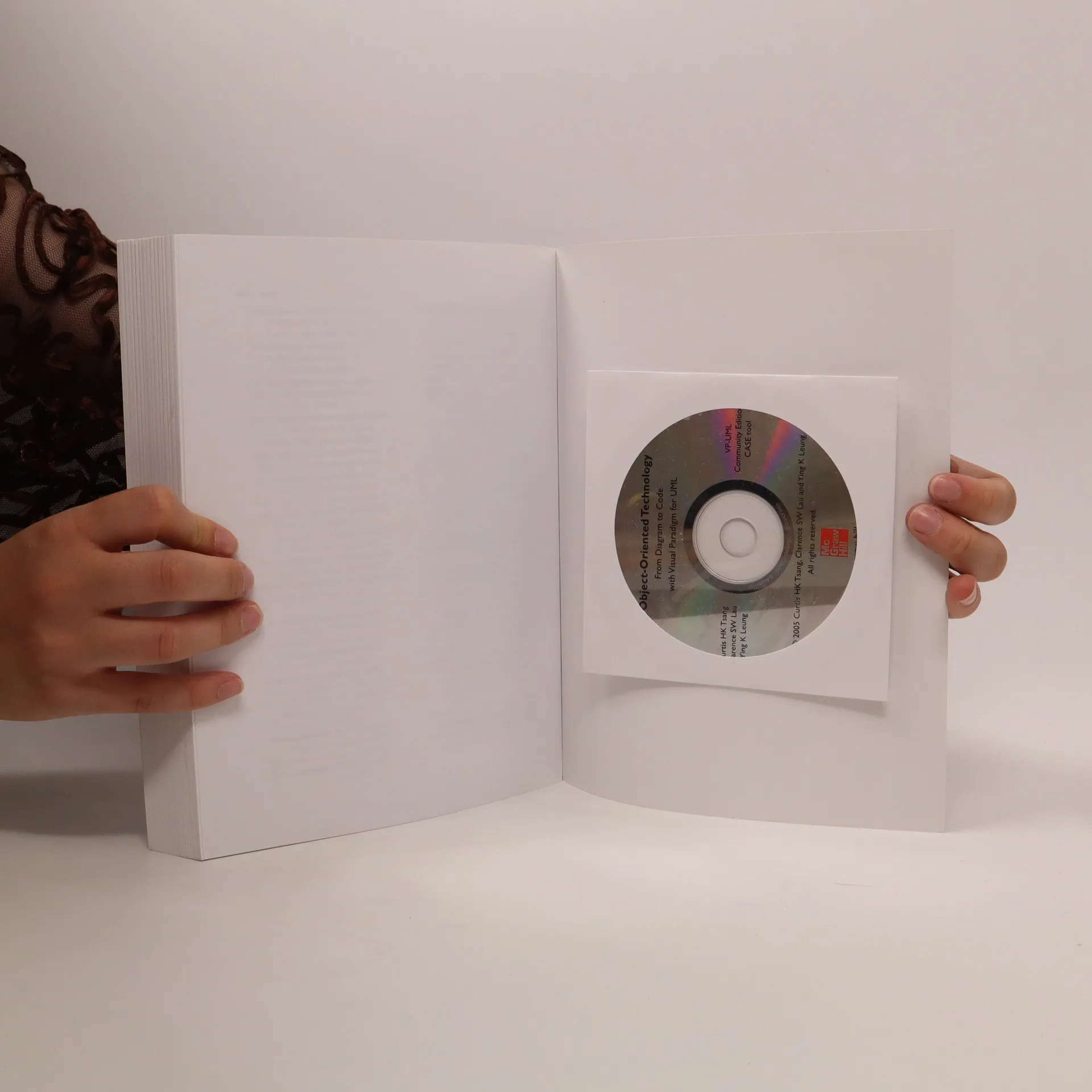
This book is designed for students and developers aiming to master essential skills in applying UML for software development. Readers will learn object-oriented analysis, design, and implementation through appropriate UML models, processes, techniques, and tools. It includes the Community Edition of Visual Paradigm for UML (VP-UML), an award-winning CASE tool that enables immediate practical application of the theories presented. The authors introduce a novel framework called View Alignment Techniques (VAT) to assist developers in creating effective development methods. The Activity Analysis Approach (A3), ideal for interaction-intensive systems, is also detailed. These concepts were instrumental in developing the VP-UML CASE tool. Three chapters focus on structural, use case, and dynamic modeling and analysis techniques, enriched with practical tips from the authors' extensive experience. Each chapter features a mini-case study illustrating the "from diagram to code" concept. A major case study in the final chapter reinforces the theories using VP-UML. Key areas covered include requirements modeling, domain analysis for object identification, dynamic analysis and design, implementation of UML models, and method creation using VAT. Additional resources are available online, including instructor tools and student materials. Visual Paradigm for UML has received multiple accolades, including the Jolt Productivity Award, and it
Zakup książki
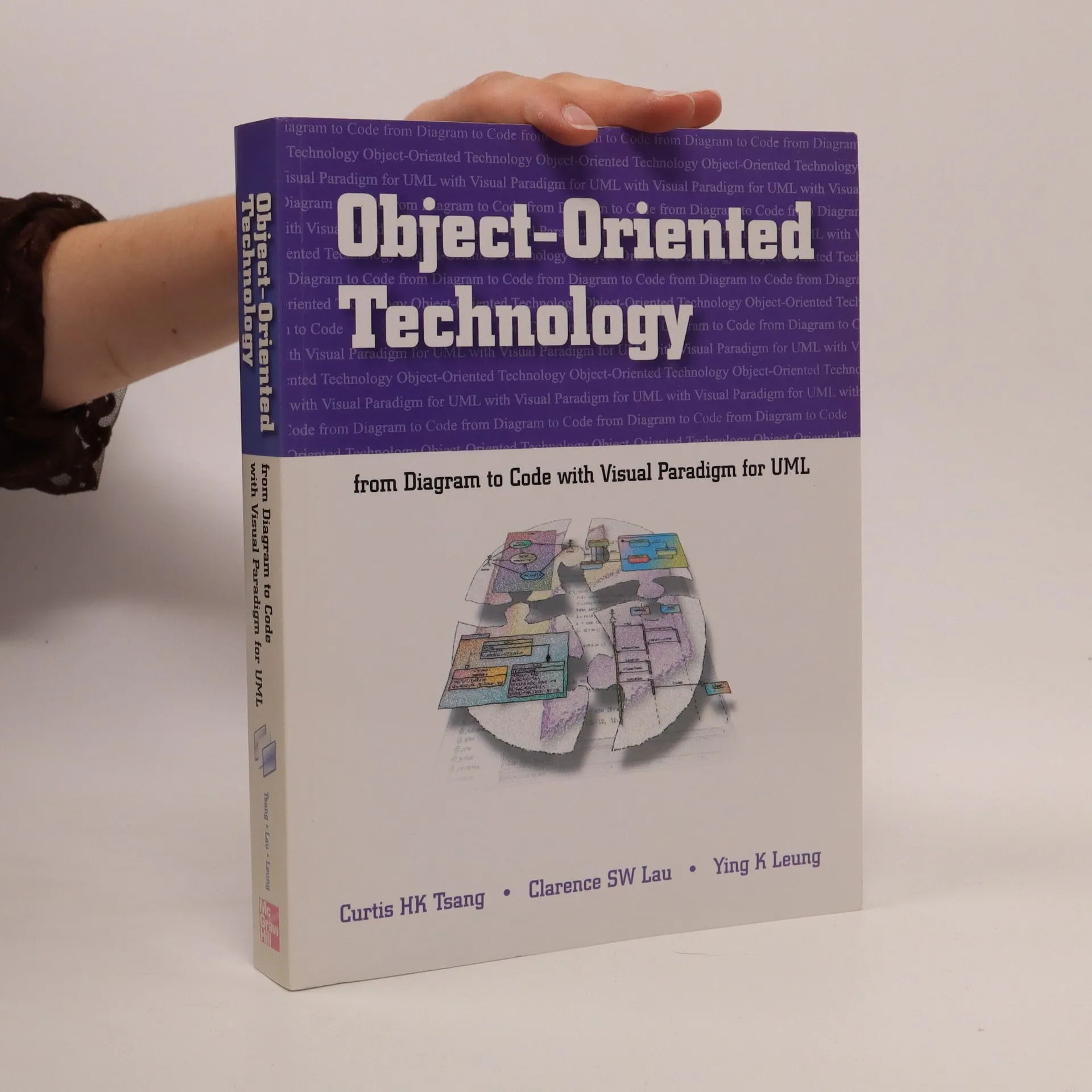
Object-oriented technology, Curtis HK Tsang, Clarence SW Lau, Ying K. Leung
- Język

- Rok wydania
- 2005
- Oprawa
- (miękka)
Metody płatności
Nikt jeszcze nie ocenił.
- Tytuł
- Object-oriented technology
- Język
- angielski
- Autorzy
- Curtis HK Tsang, Clarence SW Lau, Ying K. Leung
- Wydawca
- McGraw-Hill
- Rok wydania
- 2005
- Oprawa
- miękka
- Liczba stron
- 456
- ISBN10
- 0071240462
- ISBN13
- 9780071240468
- Seria
- Tagi
- Opis
- This book is designed for students and developers aiming to master essential skills in applying UML for software development. Readers will learn object-oriented analysis, design, and implementation through appropriate UML models, processes, techniques, and tools. It includes the Community Edition of Visual Paradigm for UML (VP-UML), an award-winning CASE tool that enables immediate practical application of the theories presented. The authors introduce a novel framework called View Alignment Techniques (VAT) to assist developers in creating effective development methods. The Activity Analysis Approach (A3), ideal for interaction-intensive systems, is also detailed. These concepts were instrumental in developing the VP-UML CASE tool. Three chapters focus on structural, use case, and dynamic modeling and analysis techniques, enriched with practical tips from the authors' extensive experience. Each chapter features a mini-case study illustrating the "from diagram to code" concept. A major case study in the final chapter reinforces the theories using VP-UML. Key areas covered include requirements modeling, domain analysis for object identification, dynamic analysis and design, implementation of UML models, and method creation using VAT. Additional resources are available online, including instructor tools and student materials. Visual Paradigm for UML has received multiple accolades, including the Jolt Productivity Award, and it