

Więcej o książce
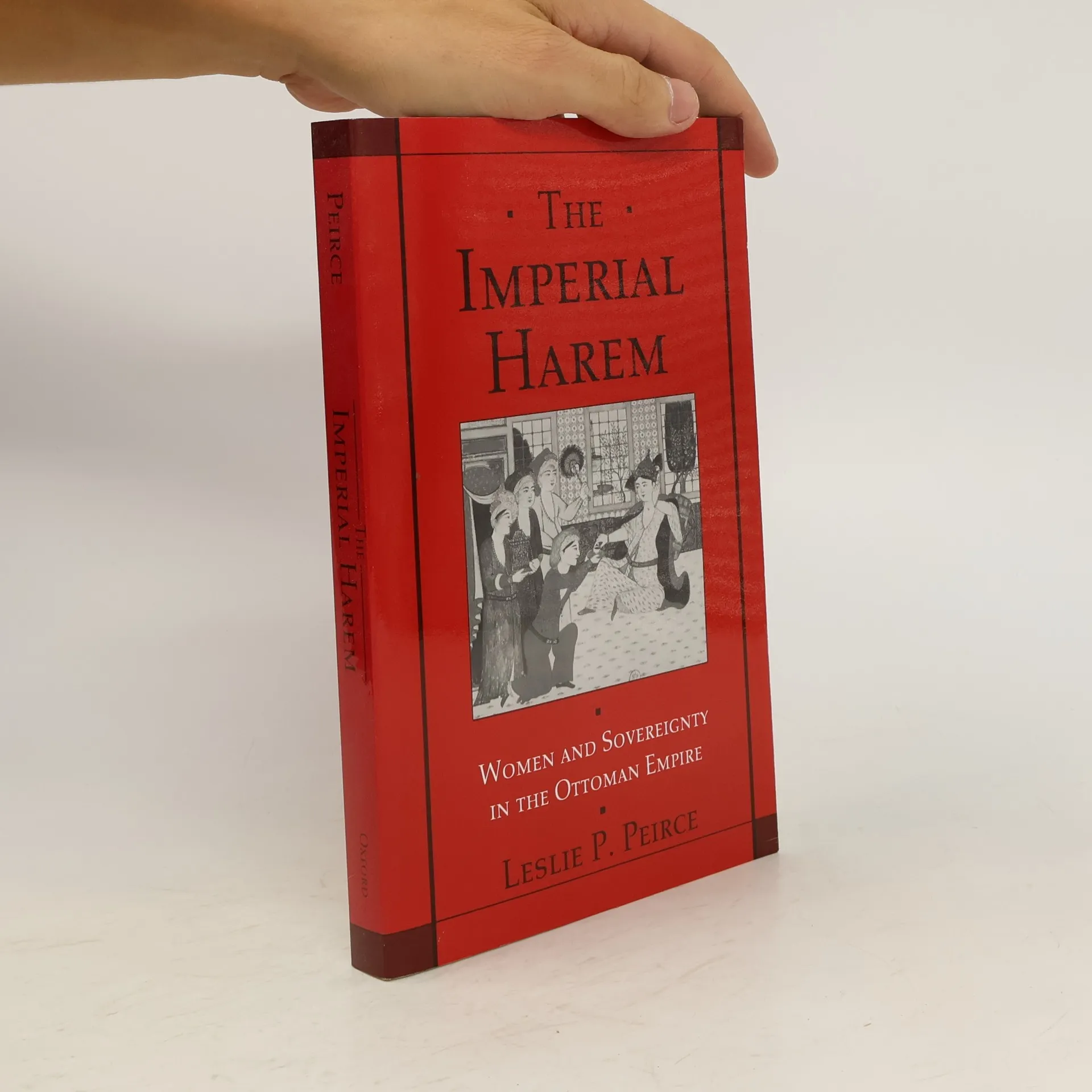
The unprecedented political power of the Ottoman imperial harem in the sixteenth and seventeenth centuries is widely viewed as illegitimate and corrupting. This book examines the sources of royal women's power and assesses the reactions of contemporaries, which ranged from loyal devotion to armed opposition. By examining political action in the context of household networks, Leslie Peirce demonstrates that female power was a logical, indeed an intended, consequence of political structures. Royal women were custodians of sovereign power, training their sons in its use and exercising it directly as regents when necessary. Furthermore, they played central roles in the public culture of sovereignty--royal ceremonial, monumental building, and patronage of artistic production. The Imperial Harem argues that the exercise of political power was tied to definitions of sexuality. Within the dynasty, the hierarchy of female power, like the hierarchy of male power, reflected the broadersociety's control for social control of the sexually active.
Zakup książki
The Imperial Harem. Women and Sovereignty in the Ottoman Empire, Leslie Peirce
- Język

- Rok wydania
- 1993
- Oprawa
- (miękka)
Metody płatności
Brakuje nam tutaj Twojej recenzji.
- Tytuł
- The Imperial Harem. Women and Sovereignty in the Ottoman Empire
- Język
- angielski
- Autorzy
- Leslie Peirce
- Wydawca
- Oxford University Press
- Rok wydania
- 1993
- Oprawa
- miękka
- ISBN10
- 0195086775
- ISBN13
- 9780195086775
- Seria
- Kategorie
- Ocena
- 4,2 z 5
- Opis
- The unprecedented political power of the Ottoman imperial harem in the sixteenth and seventeenth centuries is widely viewed as illegitimate and corrupting. This book examines the sources of royal women's power and assesses the reactions of contemporaries, which ranged from loyal devotion to armed opposition. By examining political action in the context of household networks, Leslie Peirce demonstrates that female power was a logical, indeed an intended, consequence of political structures. Royal women were custodians of sovereign power, training their sons in its use and exercising it directly as regents when necessary. Furthermore, they played central roles in the public culture of sovereignty--royal ceremonial, monumental building, and patronage of artistic production. The Imperial Harem argues that the exercise of political power was tied to definitions of sexuality. Within the dynasty, the hierarchy of female power, like the hierarchy of male power, reflected the broadersociety's control for social control of the sexually active.