

Więcej o książce
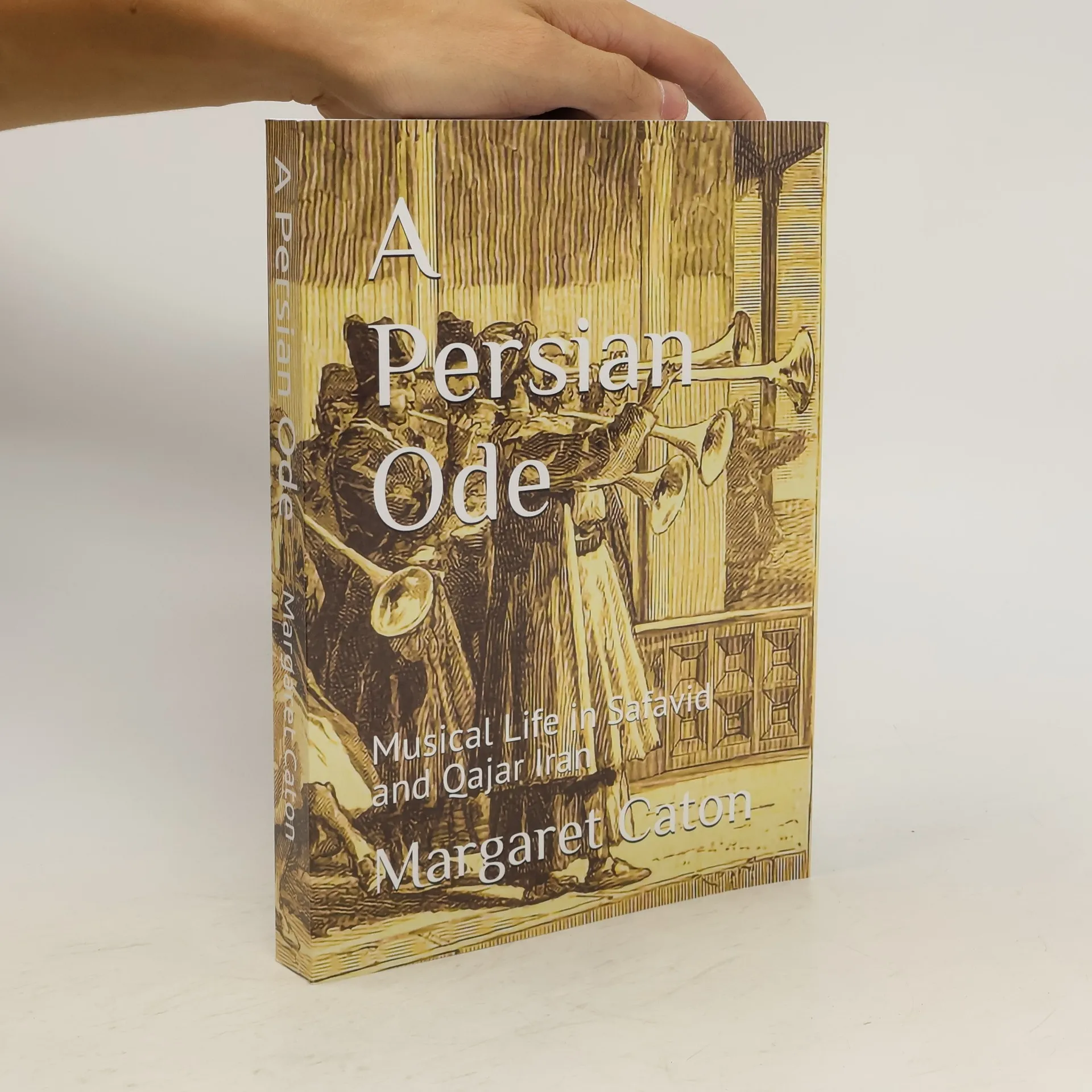
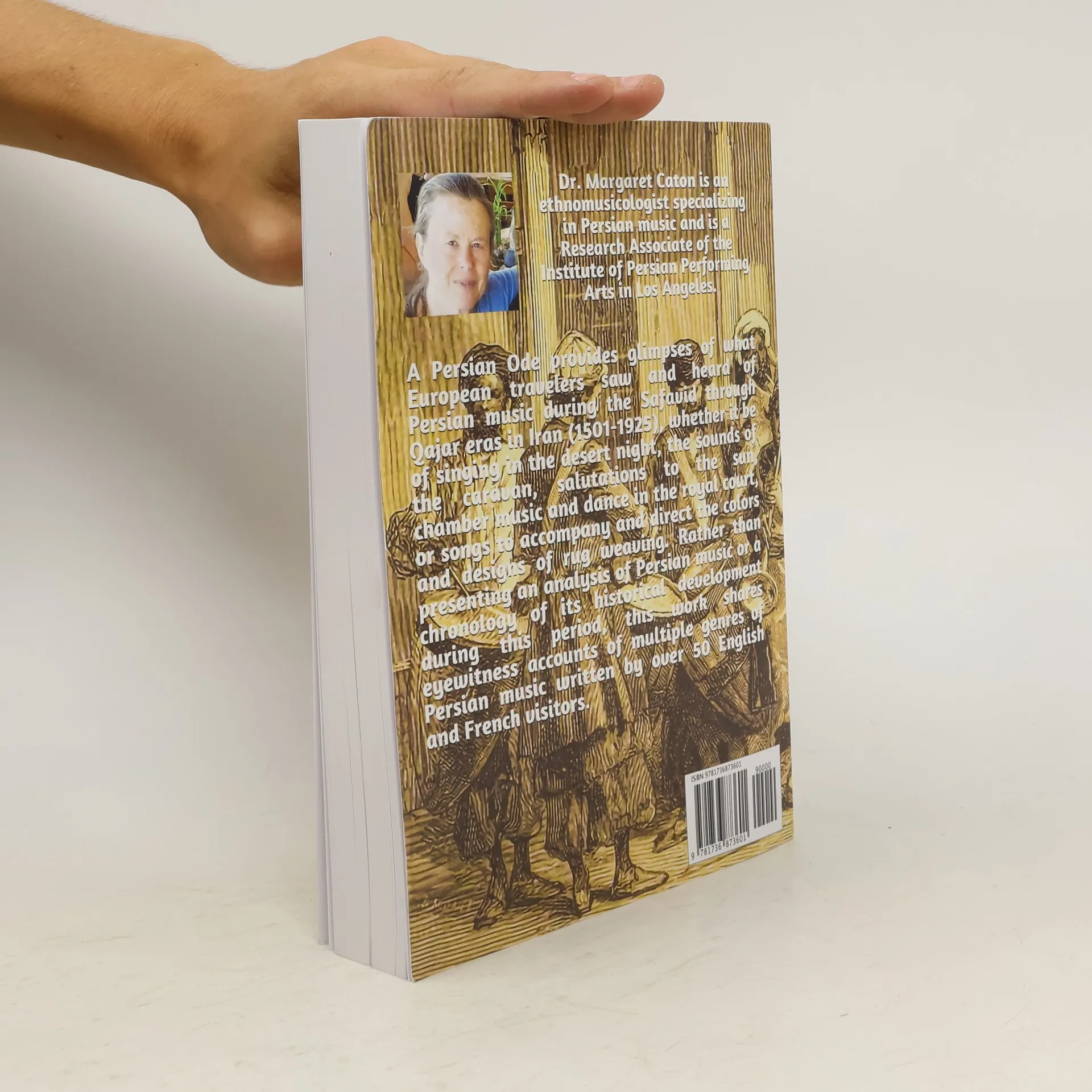
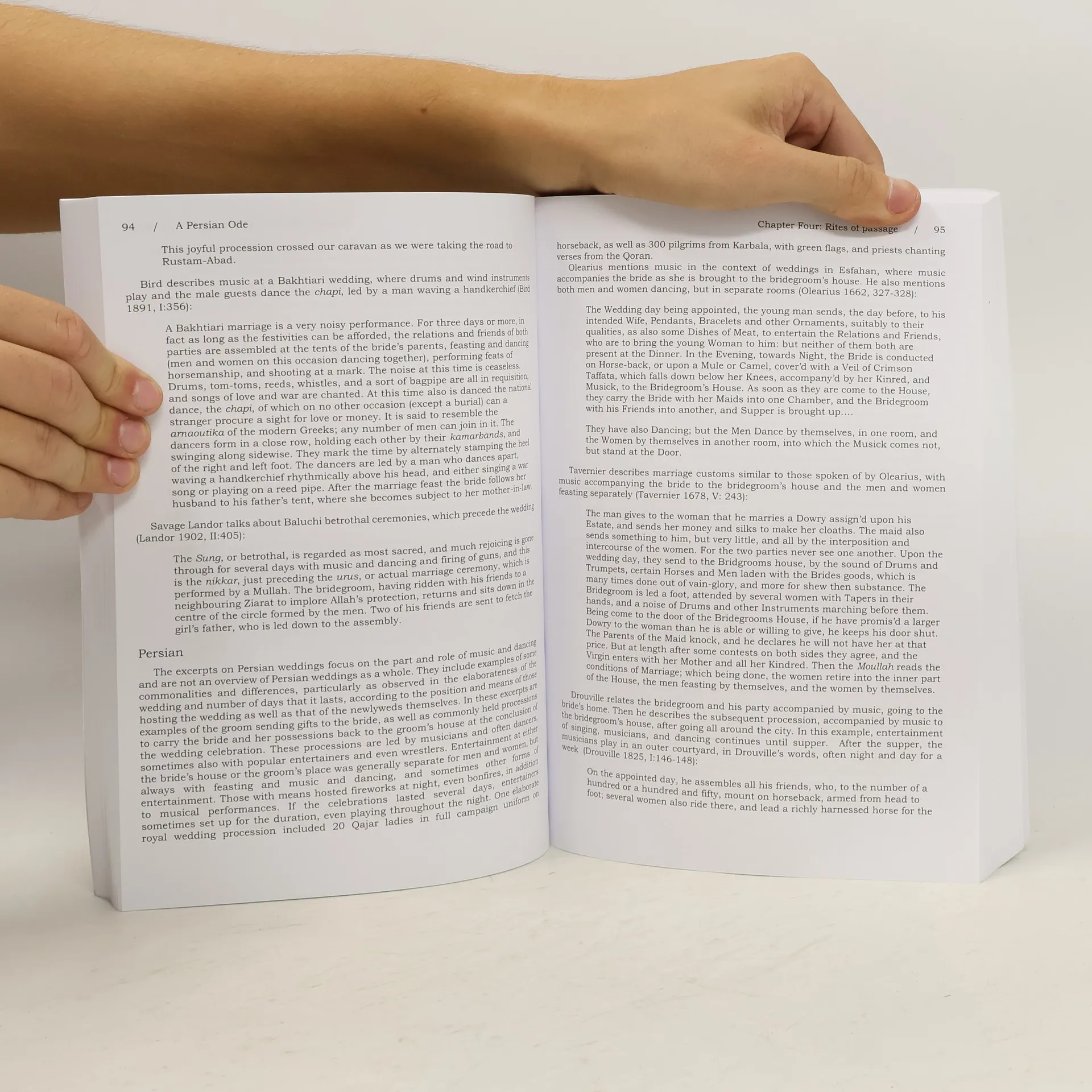
A Persian Ode provides glimpses of what European travelers saw and heard of Persian music during the Safavid through Qajar eras in Iran (1501-1925), whether it be of singing in the desert night, the sounds of the caravan, salutations to the sun, chamber music and dance in the royal court, or songs to accompany and direct the colors and designs of rug weaving. Rather than presenting an analysis of Persian music or a chronology of its historical development during this period, this work shares eyewitness accounts of multiple genres of Persian music written by over 50 English and French visitors. As well, selected memoirs by Iranians offer first-hand descriptions and anecdotes of music and dance practices among the late Qajar courtiers and aristocracy. In addition to including textual descriptions of musical performance in a variety of settings, this work is illustrated by travelers’ sketches and photos as well as by photos from the Qajar royal photo album. Reference to recorded musical examples for selected genres are linked to an accompanying album for this book from the author’s Persian music field collection.
Zakup książki
A Persian Ode, Margaret Caton
- Język

- Rok wydania
- 2021
- Oprawa
- (miękka)
Metody płatności
Nikt jeszcze nie ocenił.
- Tytuł
- A Persian Ode
- Język
- angielski
- Autorzy
- Margaret Caton
- Wydawca
- Margaret Caton
- Rok wydania
- 2021
- Oprawa
- miękka
- Liczba stron
- 398
- ISBN10
- 1736873601
- ISBN13
- 9781736873601
- Seria
- Kategorie
- Opis
- A Persian Ode provides glimpses of what European travelers saw and heard of Persian music during the Safavid through Qajar eras in Iran (1501-1925), whether it be of singing in the desert night, the sounds of the caravan, salutations to the sun, chamber music and dance in the royal court, or songs to accompany and direct the colors and designs of rug weaving. Rather than presenting an analysis of Persian music or a chronology of its historical development during this period, this work shares eyewitness accounts of multiple genres of Persian music written by over 50 English and French visitors. As well, selected memoirs by Iranians offer first-hand descriptions and anecdotes of music and dance practices among the late Qajar courtiers and aristocracy. In addition to including textual descriptions of musical performance in a variety of settings, this work is illustrated by travelers’ sketches and photos as well as by photos from the Qajar royal photo album. Reference to recorded musical examples for selected genres are linked to an accompanying album for this book from the author’s Persian music field collection.