

Więcej o książce
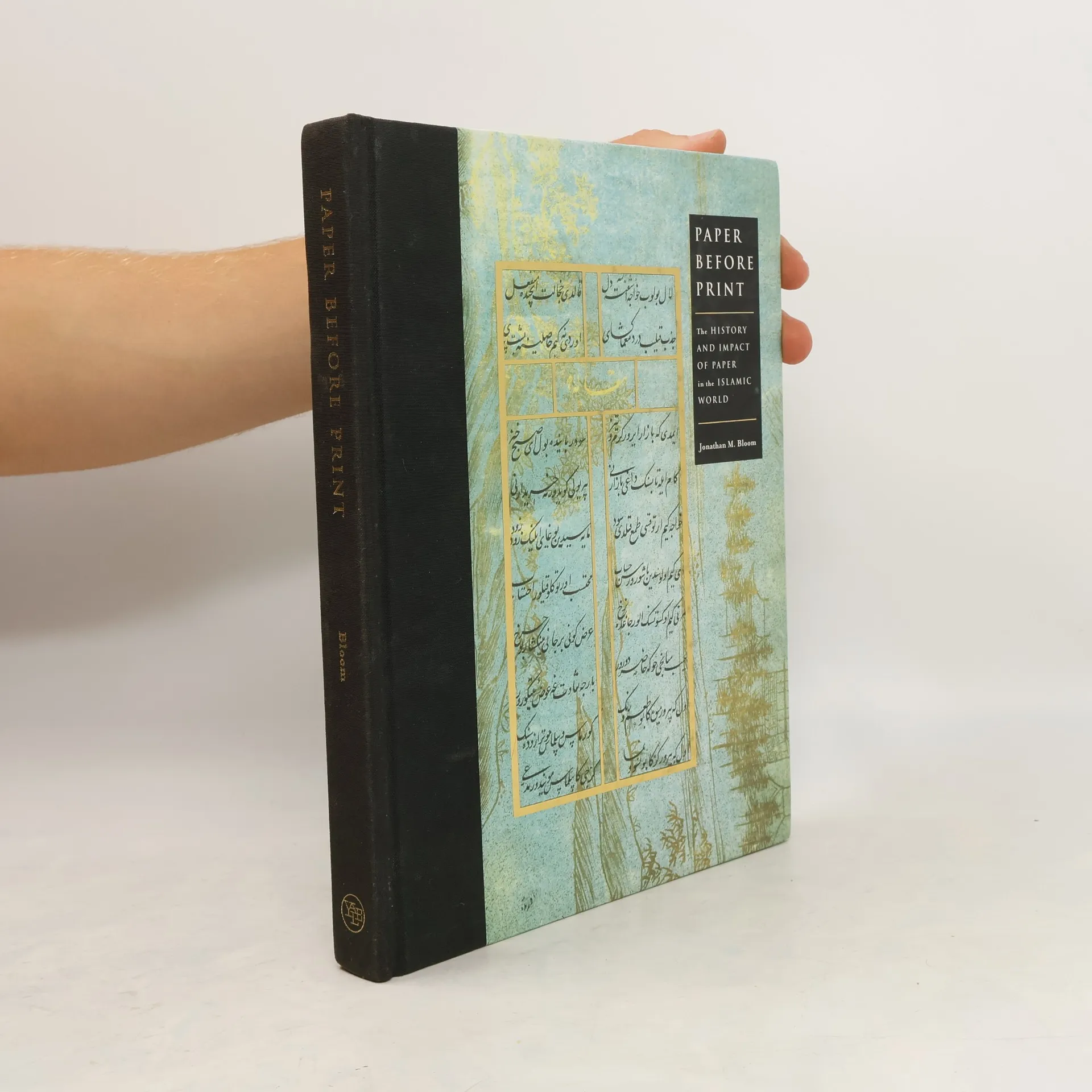
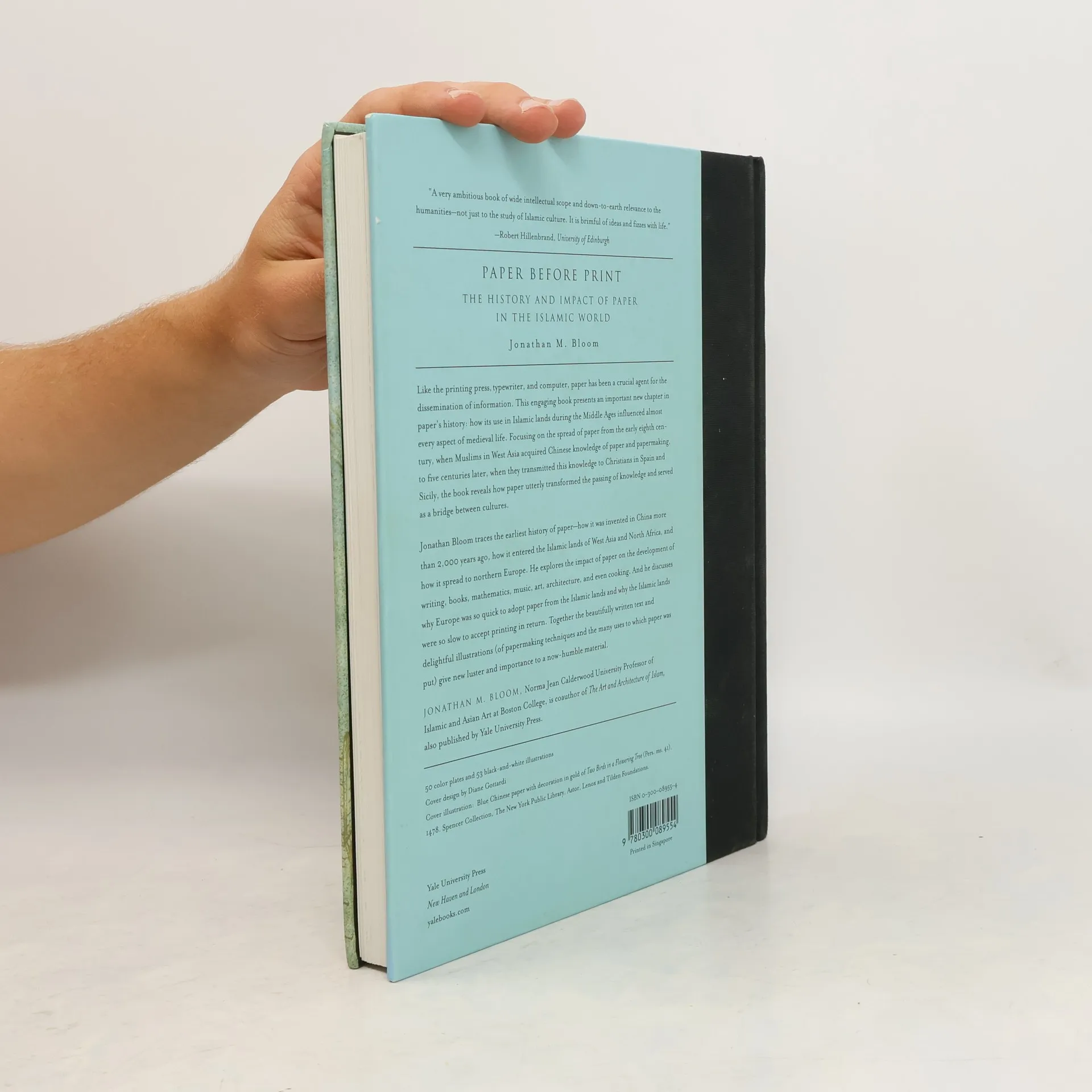
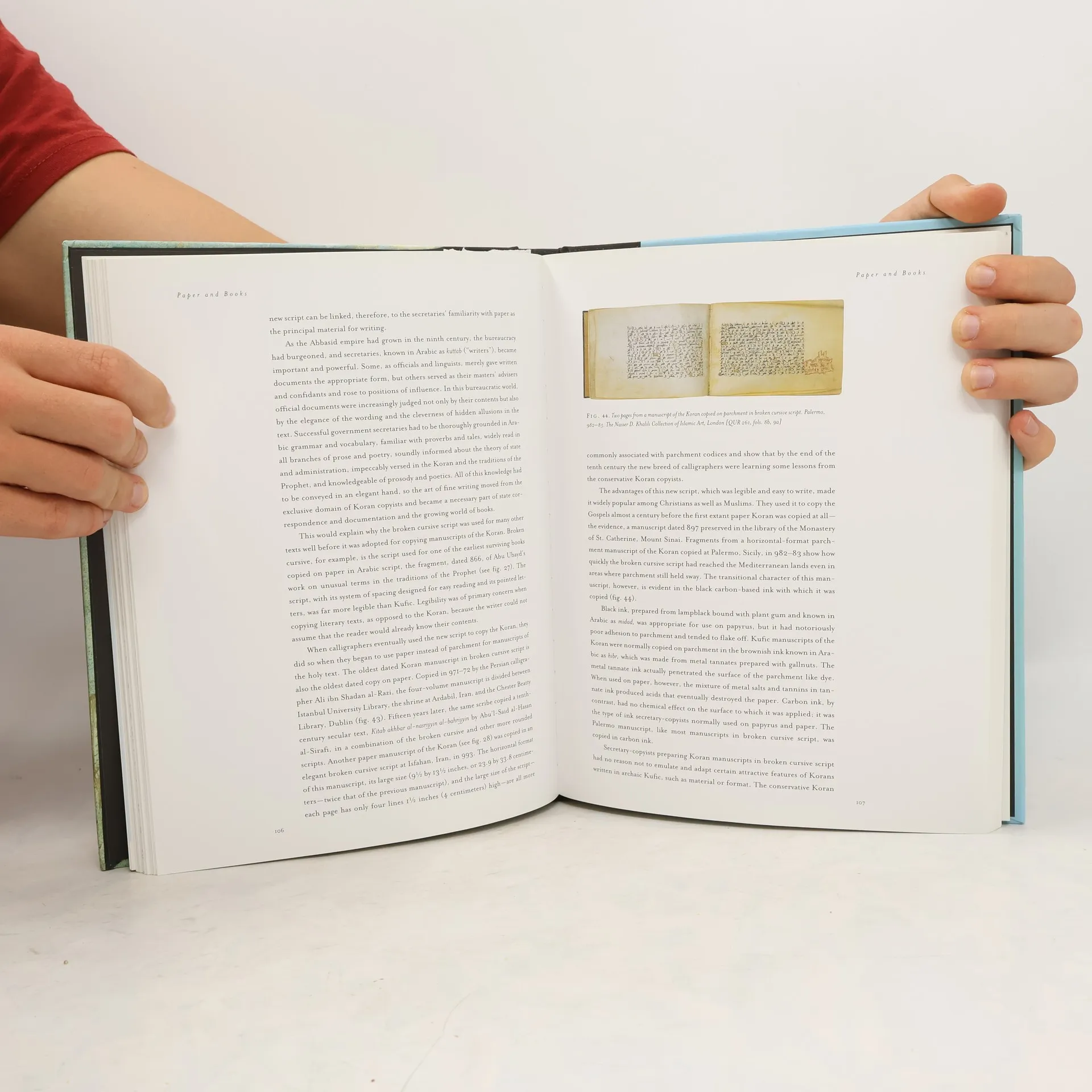
Like the printing press, typewriter, and computer, paper has been a crucial agent for the dissemination of information. This engaging book presents an important new chapter in paper’s how its use in Islamic lands during the Middle Ages influenced almost every aspect of medieval life. Focusing on the spread of paper from the early eighth century, when Muslims in West Asia acquired Chinese knowledge of paper and papermaking, to five centuries later, when they transmitted this knowledge to Christians in Spain and Sicily, the book reveals how paper utterly transformed the passing of knowledge and served as a bridge between cultures.Jonathan Bloom traces the earliest history of paper―how it was invented in China over 2,000 years ago, how it entered the Islamic lands of West Asia and North Africa, and how it spread to northern Europe. He explores the impact of paper on the development of writing, books, mathematics, music, art, architecture, and even cooking. And he discusses why Europe was so quick to adopt paper from the Islamic lands and why the Islamic lands were so slow to accept printing in return. Together the beautifully written text and delightful illustrations (of papermaking techniques and the many uses to which paper was put) give new luster and importance to a now-humble material.
Zakup książki
Paper Before Print, Jonathan Bloom
- Język

- Rok wydania
- 2001
- Oprawa
- (twarda)
Metody płatności
Brakuje nam tutaj Twojej recenzji.
- Tytuł
- Paper Before Print
- Język
- angielski
- Autorzy
- Jonathan Bloom
- Wydawca
- Yale University Press
- Rok wydania
- 2001
- Oprawa
- twarda
- Liczba stron
- 320
- ISBN10
- 0300089554
- ISBN13
- 9780300089554
- Seria
- Ocena
- 4,3 z 5
- Opis
- Like the printing press, typewriter, and computer, paper has been a crucial agent for the dissemination of information. This engaging book presents an important new chapter in paper’s how its use in Islamic lands during the Middle Ages influenced almost every aspect of medieval life. Focusing on the spread of paper from the early eighth century, when Muslims in West Asia acquired Chinese knowledge of paper and papermaking, to five centuries later, when they transmitted this knowledge to Christians in Spain and Sicily, the book reveals how paper utterly transformed the passing of knowledge and served as a bridge between cultures.Jonathan Bloom traces the earliest history of paper―how it was invented in China over 2,000 years ago, how it entered the Islamic lands of West Asia and North Africa, and how it spread to northern Europe. He explores the impact of paper on the development of writing, books, mathematics, music, art, architecture, and even cooking. And he discusses why Europe was so quick to adopt paper from the Islamic lands and why the Islamic lands were so slow to accept printing in return. Together the beautifully written text and delightful illustrations (of papermaking techniques and the many uses to which paper was put) give new luster and importance to a now-humble material.