

Więcej o książce
The Safavid dynasty (1501–1786) had its origins in one of the many Turkish, possibly Kurdish, dervish orders begun shortly after the Mongol invasion. By the late fifteenth century it had taken on both Shi'a ideology and a military aspect. Its founder, Isma'il, took advantage of the chaotic political situation at the end of the century to establish control over the territory that comprises most of current-day Iran. Under Safavid rule, Persia moved from Sunni to Shi'i Islam and has remained so into the present.Safavid Iran and Her Neighbors focuses primarily on Persian external relations during this period. The wide-ranging contributions to this volume cover dervish orders, the Central Asian hajj, developments in Shi'i legal theory, cultural relations between Persia and Mughal India, and diplomatic relations between Iran, Russia, and Ottoman Turkey.
Zakup książki
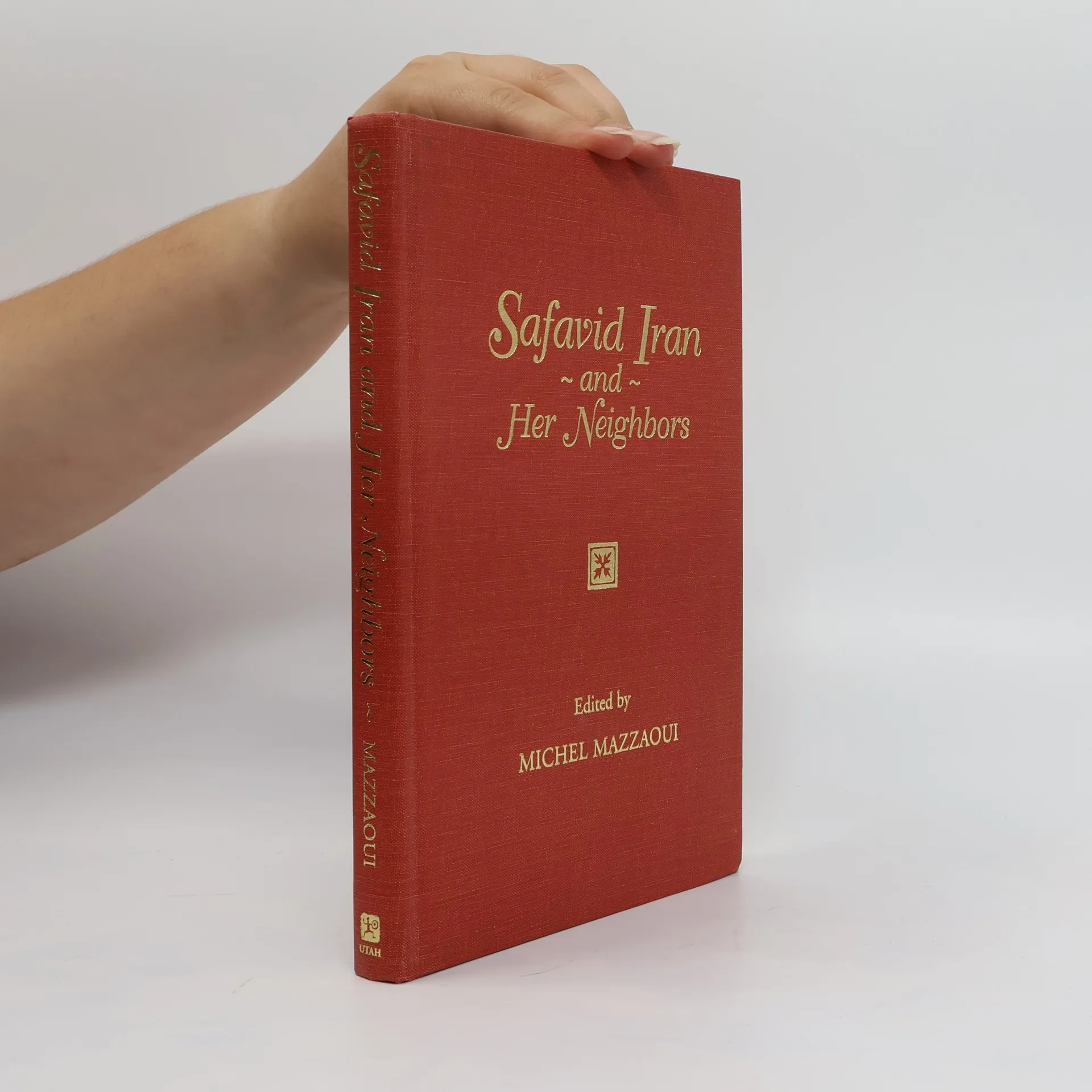
Safavid Iran and Her Neighbors, Michel M. Mazzaoui
- Język

- Rok wydania
- 2003
- Oprawa
- (twarda)
Metody płatności
Brakuje nam tutaj Twojej recenzji.
- Tytuł
- Safavid Iran and Her Neighbors
- Język
- angielski
- Autorzy
- Michel M. Mazzaoui
- Wydawca
- University of Utah Press
- Rok wydania
- 2003
- Oprawa
- twarda
- Liczba stron
- 200
- ISBN10
- 0874807573
- ISBN13
- 9780874807578
- Seria
- Kategorie
- Tagi
- Ocena
- 3,65 z 5
- Opis
- The Safavid dynasty (1501–1786) had its origins in one of the many Turkish, possibly Kurdish, dervish orders begun shortly after the Mongol invasion. By the late fifteenth century it had taken on both Shi'a ideology and a military aspect. Its founder, Isma'il, took advantage of the chaotic political situation at the end of the century to establish control over the territory that comprises most of current-day Iran. Under Safavid rule, Persia moved from Sunni to Shi'i Islam and has remained so into the present.Safavid Iran and Her Neighbors focuses primarily on Persian external relations during this period. The wide-ranging contributions to this volume cover dervish orders, the Central Asian hajj, developments in Shi'i legal theory, cultural relations between Persia and Mughal India, and diplomatic relations between Iran, Russia, and Ottoman Turkey.