


Więcej o książce
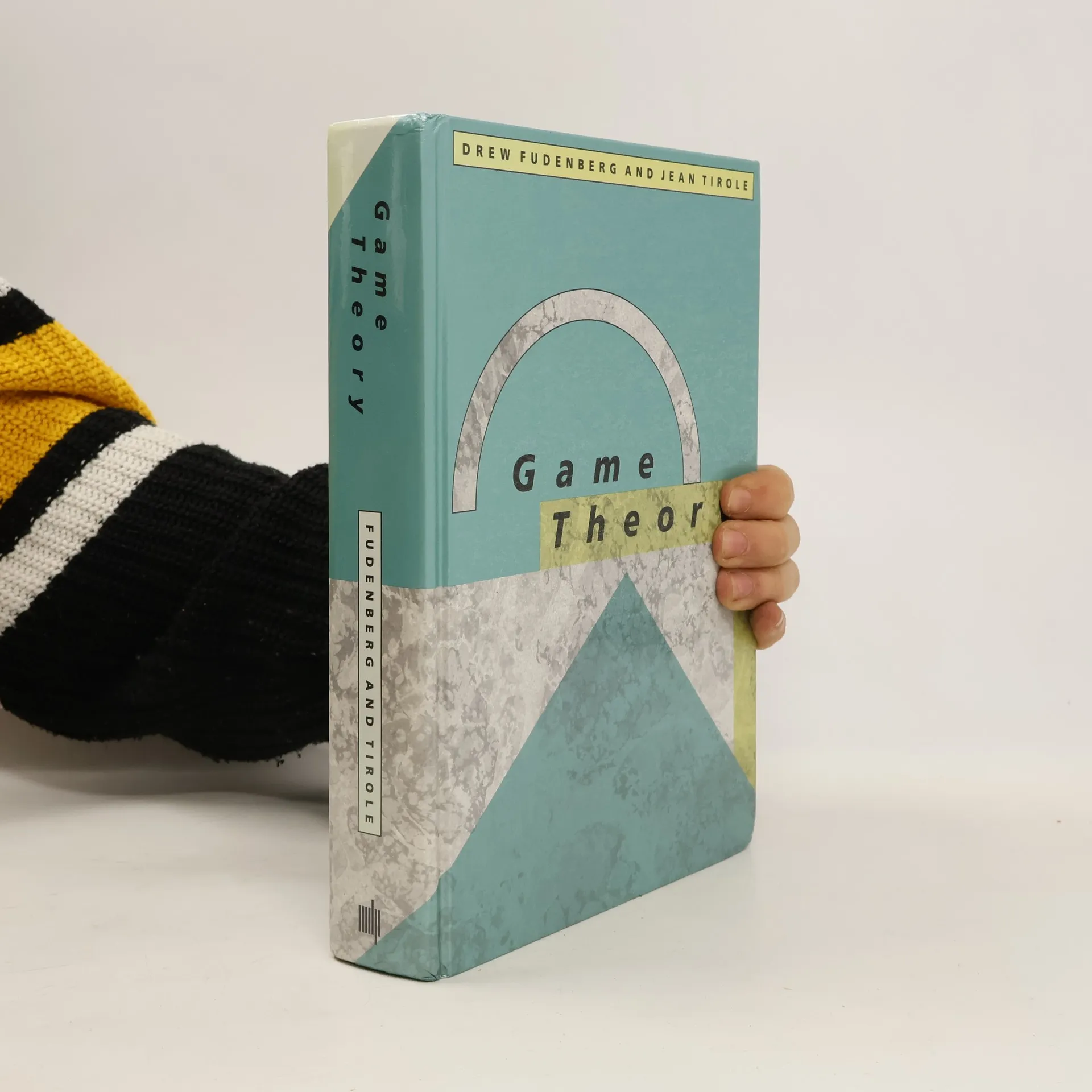
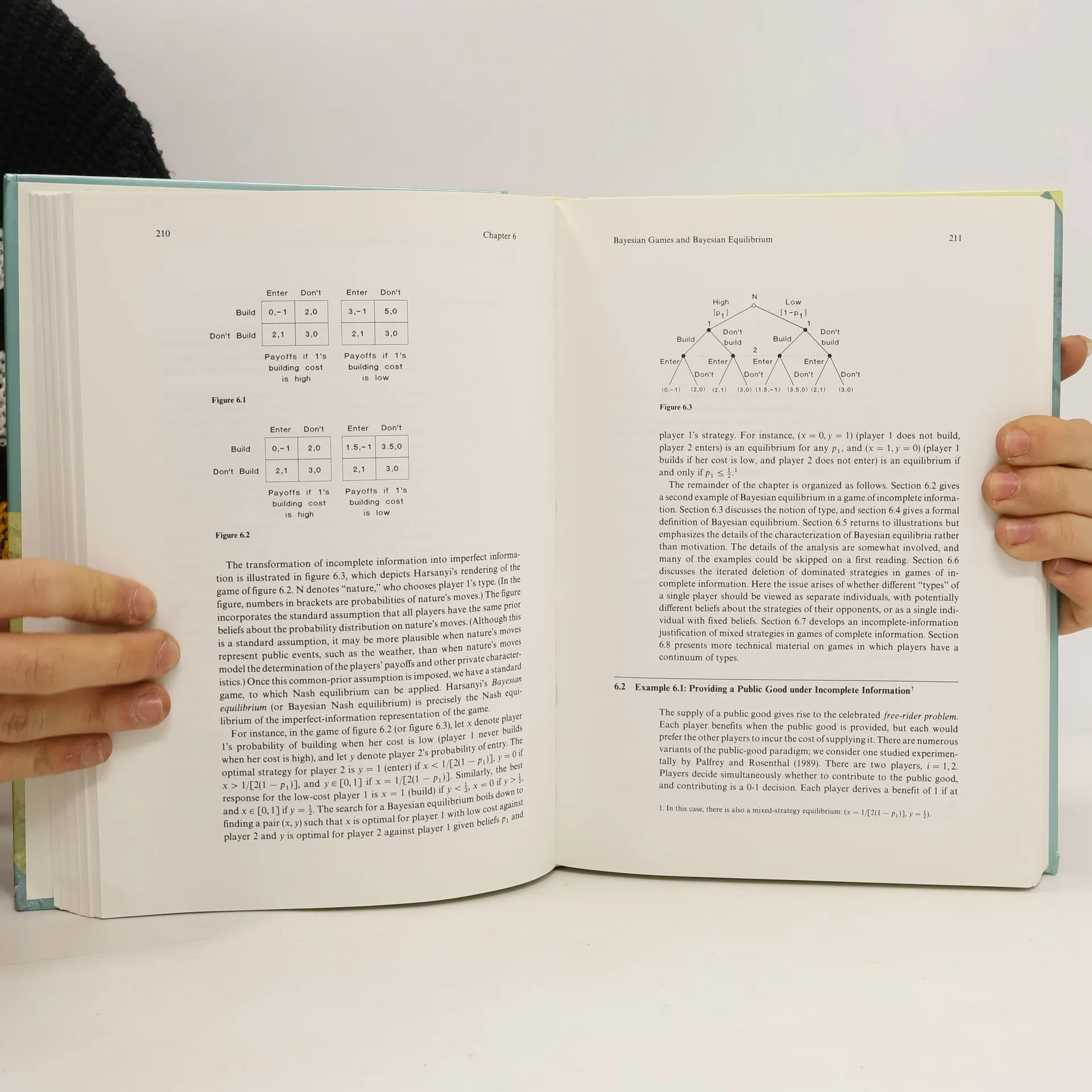
This advanced text introduces the principles of noncooperative game theory in a direct and uncomplicated style that will acquaint students with the broad spectrum of the field while highlighting and explaining what they need to know at any given point. This advanced text introduces the principles of noncooperative game theory—including strategic form games, Nash equilibria, subgame perfection, repeated games, and games of incomplete information—in a direct and uncomplicated style that will acquaint students with the broad spectrum of the field while highlighting and explaining what they need to know at any given point. The analytic material is accompanied by many applications, examples, and exercises. The theory of noncooperative games studies the behavior of agents in any situation where each agent's optimal choice may depend on a forecast of the opponents' choices. "Noncooperative" refers to choices that are based on the participant's perceived selfinterest. Although game theory has been applied to many fields, Fudenberg and Tirole focus on the kinds of game theory that have been most useful in the study of economic problems. They also include some applications to political science. The fourteen chapters are grouped in parts that cover static games of complete information, dynamic games of complete information, static games of incomplete information, dynamic games of incomplete information, and advanced topics.
Zakup książki
Game theory, Drew Fudenberg, Jean Tirole
- Język

- Rok wydania
- 1993
- Oprawa
- (twarda)
Metody płatności
Brakuje nam tutaj Twojej recenzji.
- Tytuł
- Game theory
- Język
- angielski
- Autorzy
- Drew Fudenberg, Jean Tirole
- Wydawca
- MIT Press
- Rok wydania
- 1993
- Oprawa
- twarda
- Liczba stron
- 603
- ISBN10
- 0262061414
- ISBN13
- 9780262061414
- Seria
- Ocena
- 4,1 z 5
- Opis
- This advanced text introduces the principles of noncooperative game theory in a direct and uncomplicated style that will acquaint students with the broad spectrum of the field while highlighting and explaining what they need to know at any given point. This advanced text introduces the principles of noncooperative game theory—including strategic form games, Nash equilibria, subgame perfection, repeated games, and games of incomplete information—in a direct and uncomplicated style that will acquaint students with the broad spectrum of the field while highlighting and explaining what they need to know at any given point. The analytic material is accompanied by many applications, examples, and exercises. The theory of noncooperative games studies the behavior of agents in any situation where each agent's optimal choice may depend on a forecast of the opponents' choices. "Noncooperative" refers to choices that are based on the participant's perceived selfinterest. Although game theory has been applied to many fields, Fudenberg and Tirole focus on the kinds of game theory that have been most useful in the study of economic problems. They also include some applications to political science. The fourteen chapters are grouped in parts that cover static games of complete information, dynamic games of complete information, static games of incomplete information, dynamic games of incomplete information, and advanced topics.