

Więcej o książce
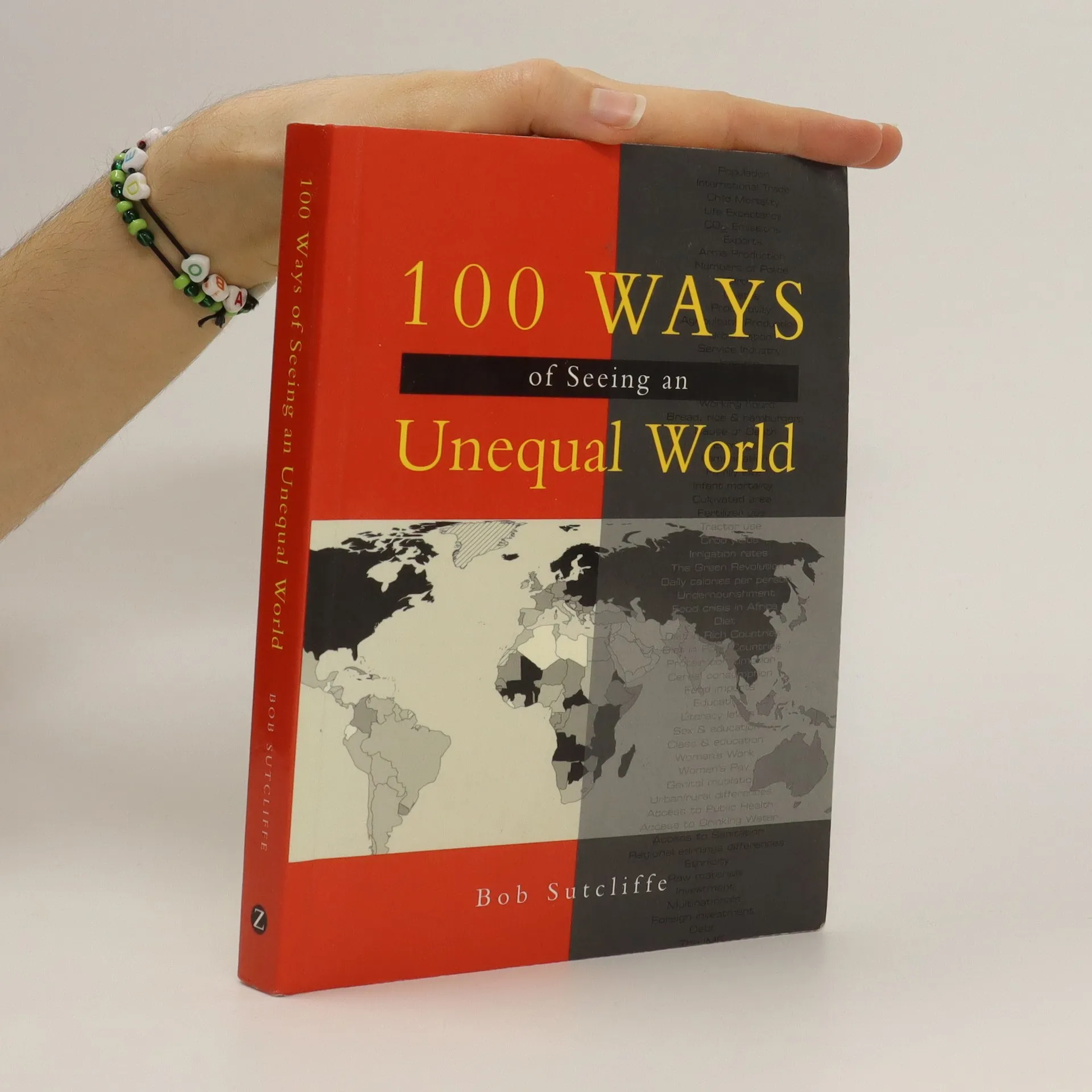
This highly original visual book is designed as a teaching aid - for students in conventional courses as well as readers wanting to tease out for themselves an understanding of the contemporary world in which we live. Tested prior to publication in a number of teaching settings, the author builds on the fact that there is now a large body of statistical information about today's highly unequal world. Presenting it in visual form can greatly stimulate discussion and understanding. Each topic has a two-page spread - innovative diagrams and charts on one side, and a short text prompting further thinking and discovery on the other.Ideal as a supplementary teaching tool in Current Affairs, Development Studies and International Relations classes as well as in less formal training and education settings.
Zakup książki
100 Ways of Seeing an Unequal World, Bob Sutcliffe
- Język

- Rok wydania
- 2001
- Oprawa
- (miękka)
Metody płatności
Brakuje nam tutaj Twojej recenzji.
- Tytuł
- 100 Ways of Seeing an Unequal World
- Język
- angielski
- Autorzy
- Bob Sutcliffe
- Wydawca
- Zed Books
- Rok wydania
- 2001
- Oprawa
- miękka
- Liczba stron
- 287
- ISBN10
- 185649814x
- ISBN13
- 9781856498142
- Seria
- Tagi
- Biznes
- Ocena
- 4 z 5
- Opis
- This highly original visual book is designed as a teaching aid - for students in conventional courses as well as readers wanting to tease out for themselves an understanding of the contemporary world in which we live. Tested prior to publication in a number of teaching settings, the author builds on the fact that there is now a large body of statistical information about today's highly unequal world. Presenting it in visual form can greatly stimulate discussion and understanding. Each topic has a two-page spread - innovative diagrams and charts on one side, and a short text prompting further thinking and discovery on the other.Ideal as a supplementary teaching tool in Current Affairs, Development Studies and International Relations classes as well as in less formal training and education settings.