


Więcej o książce
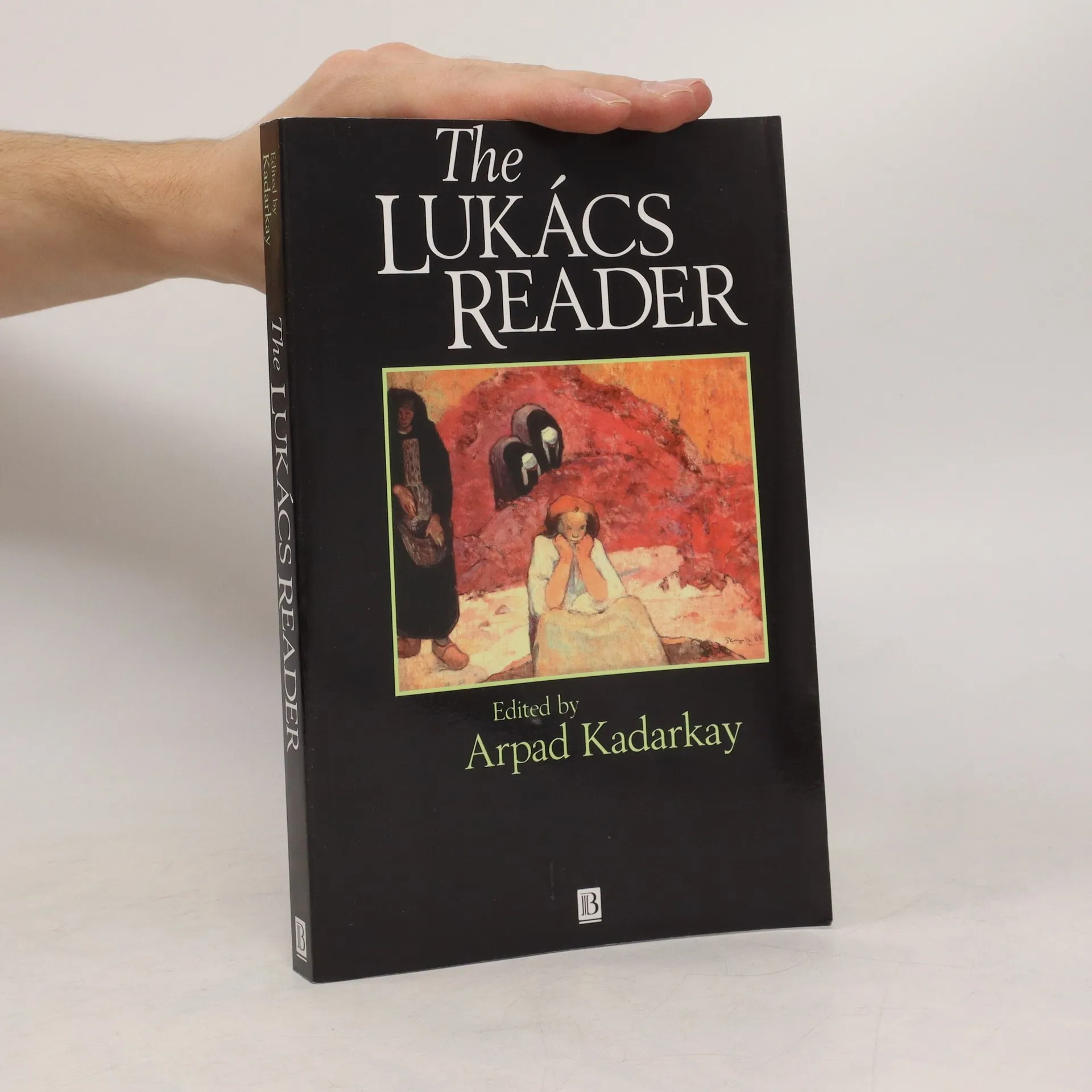
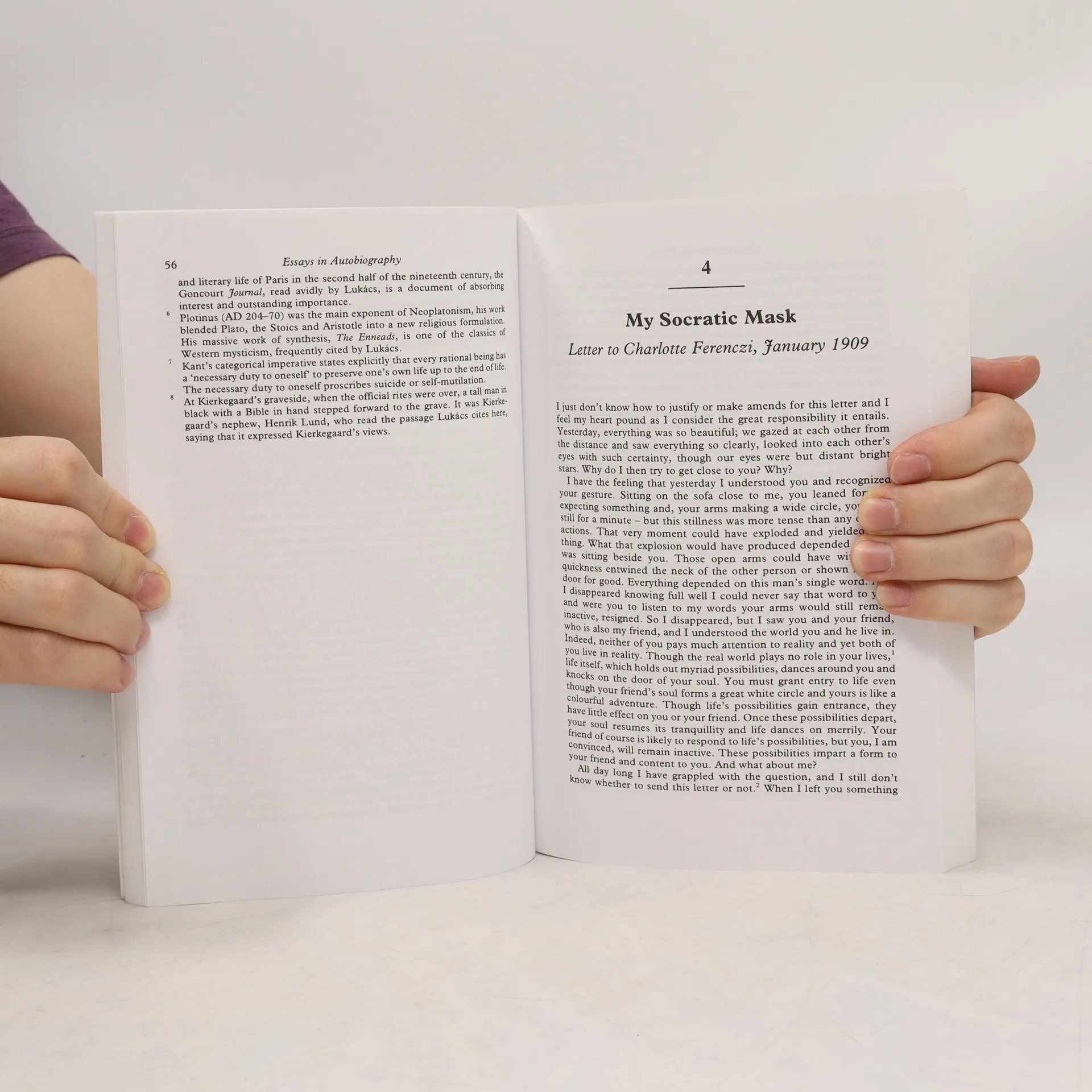
One of the greatest Marxist theorists of his generation, Georg Lukacs was a prolific writer of remarkably catholic, if moralistic, tastes. In The Lukacs Reader , his biographer Arpad Kadarkay represents the great range and variety of Lukacs's output. The reader includes, in original translations, and with introductory essays, Lukacs on: Kierkegaard, Shakespeare, Ford, Strindberg, Ibsen, Wilde, Shaw, Gaughin, Dostoevsky, Nietzsche, and Heidegger. Also collected are: the autobiographical essay 'On the Poverty of Spirit', material from Lukacs's diary, and such key articles as: 'Aesthetic Culture', 'The Ideology of Modernism', 'Bolshevism as an Ethical Problem', and 'Class Consciousness'. What emerges is a figure very much at the centre of European thought whose value to modern culture and philosophy differs markedly from that which received opinion generally admits.
Zakup książki
The Lukacs Reader, György Lukács, Arpad Kadarkay
- Język

- Rok wydania
- 1995
- Oprawa
- (miękka)
Metody płatności
Brakuje nam tutaj Twojej recenzji.
- Tytuł
- The Lukacs Reader
- Język
- angielski
- Autorzy
- György Lukács, Arpad Kadarkay
- Wydawca
- Blackwell
- Rok wydania
- 1995
- Oprawa
- miękka
- ISBN10
- 155786571X
- ISBN13
- 9781557865717
- Seria
- Ocena
- 3,85 z 5
- Opis
- One of the greatest Marxist theorists of his generation, Georg Lukacs was a prolific writer of remarkably catholic, if moralistic, tastes. In The Lukacs Reader , his biographer Arpad Kadarkay represents the great range and variety of Lukacs's output. The reader includes, in original translations, and with introductory essays, Lukacs on: Kierkegaard, Shakespeare, Ford, Strindberg, Ibsen, Wilde, Shaw, Gaughin, Dostoevsky, Nietzsche, and Heidegger. Also collected are: the autobiographical essay 'On the Poverty of Spirit', material from Lukacs's diary, and such key articles as: 'Aesthetic Culture', 'The Ideology of Modernism', 'Bolshevism as an Ethical Problem', and 'Class Consciousness'. What emerges is a figure very much at the centre of European thought whose value to modern culture and philosophy differs markedly from that which received opinion generally admits.