


Więcej o książce
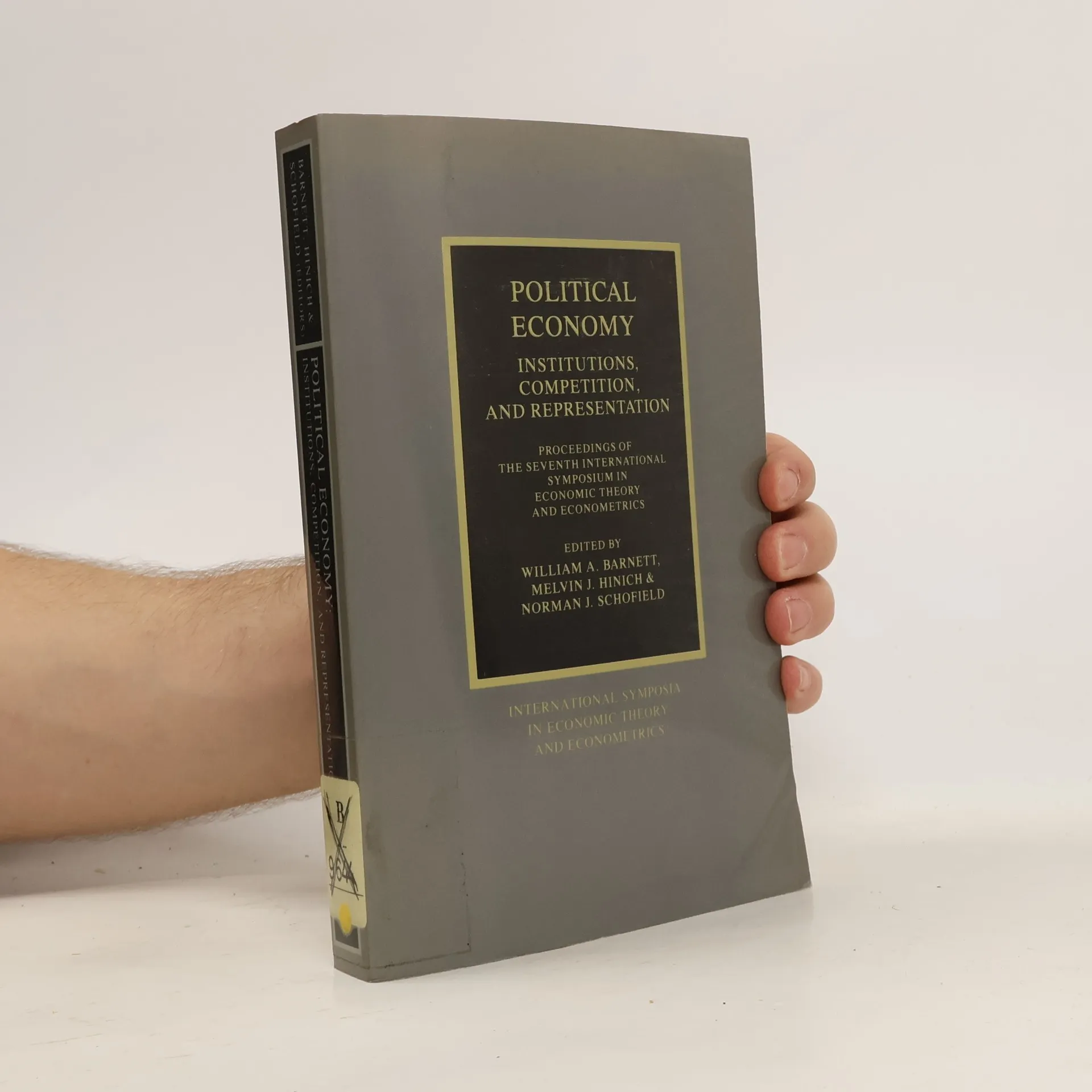
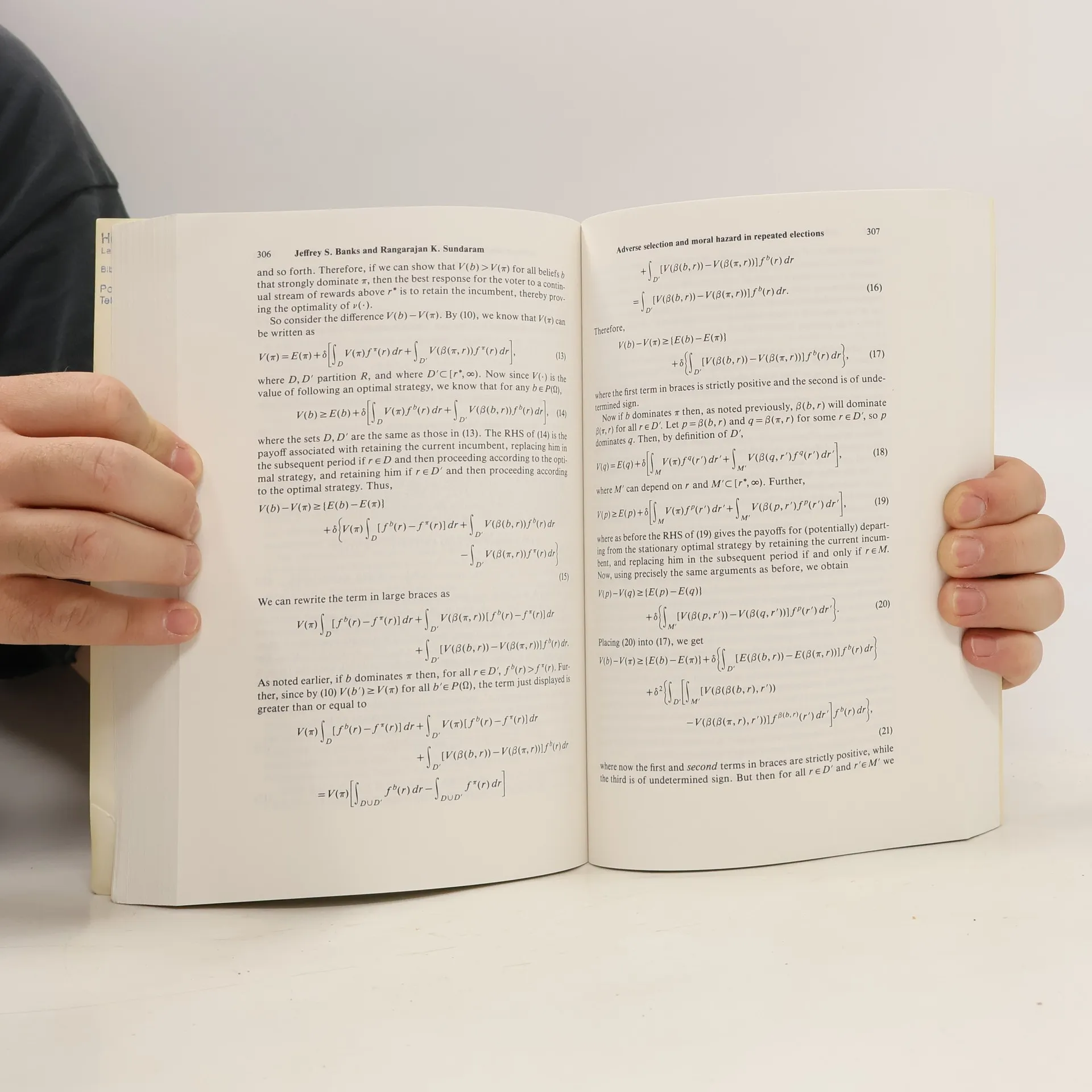
The contents of this volume are drawn from the seventh International Symposium in Economic Theory and Econometrics, and represent recent advances in the development of concepts and methods in political economy. Contributors include leading practitioners working on formal, applied, and historical approaches to the subject. The collection will interest scholars in the fields of political science and political sociology no less than economics. Part I outlines relevant concepts in political economy, including implementation, community, ideology, and institutions. Part II covers theory and applications of the spatial model of voting. Part III considers the different characteristics that govern the behaviour of institutions, while Part IV analyses competition between political representatives. Part V is concerned with the way in which government acquires information held by voters or advisors, and Part VI addresses government choice on monetary policy and taxation.
Zakup książki
Political Economy, William A. Barnett, Melvin J. Hinich, Norman Schofield
- Język

- Rok wydania
- 1993
- Oprawa
- (miękka)
Metody płatności
Nikt jeszcze nie ocenił.
- Tytuł
- Political Economy
- Podtytuł
- Institutions, Competition and Representation
- Język
- angielski
- Wydawca
- Cambridge University Press
- Rok wydania
- 1993
- Oprawa
- miękka
- Liczba stron
- 536
- ISBN10
- 0521428319
- ISBN13
- 9780521428316
- Seria
- Kategorie
- Tagi
- Biznes
- Opis
- The contents of this volume are drawn from the seventh International Symposium in Economic Theory and Econometrics, and represent recent advances in the development of concepts and methods in political economy. Contributors include leading practitioners working on formal, applied, and historical approaches to the subject. The collection will interest scholars in the fields of political science and political sociology no less than economics. Part I outlines relevant concepts in political economy, including implementation, community, ideology, and institutions. Part II covers theory and applications of the spatial model of voting. Part III considers the different characteristics that govern the behaviour of institutions, while Part IV analyses competition between political representatives. Part V is concerned with the way in which government acquires information held by voters or advisors, and Part VI addresses government choice on monetary policy and taxation.