

Więcej o książce
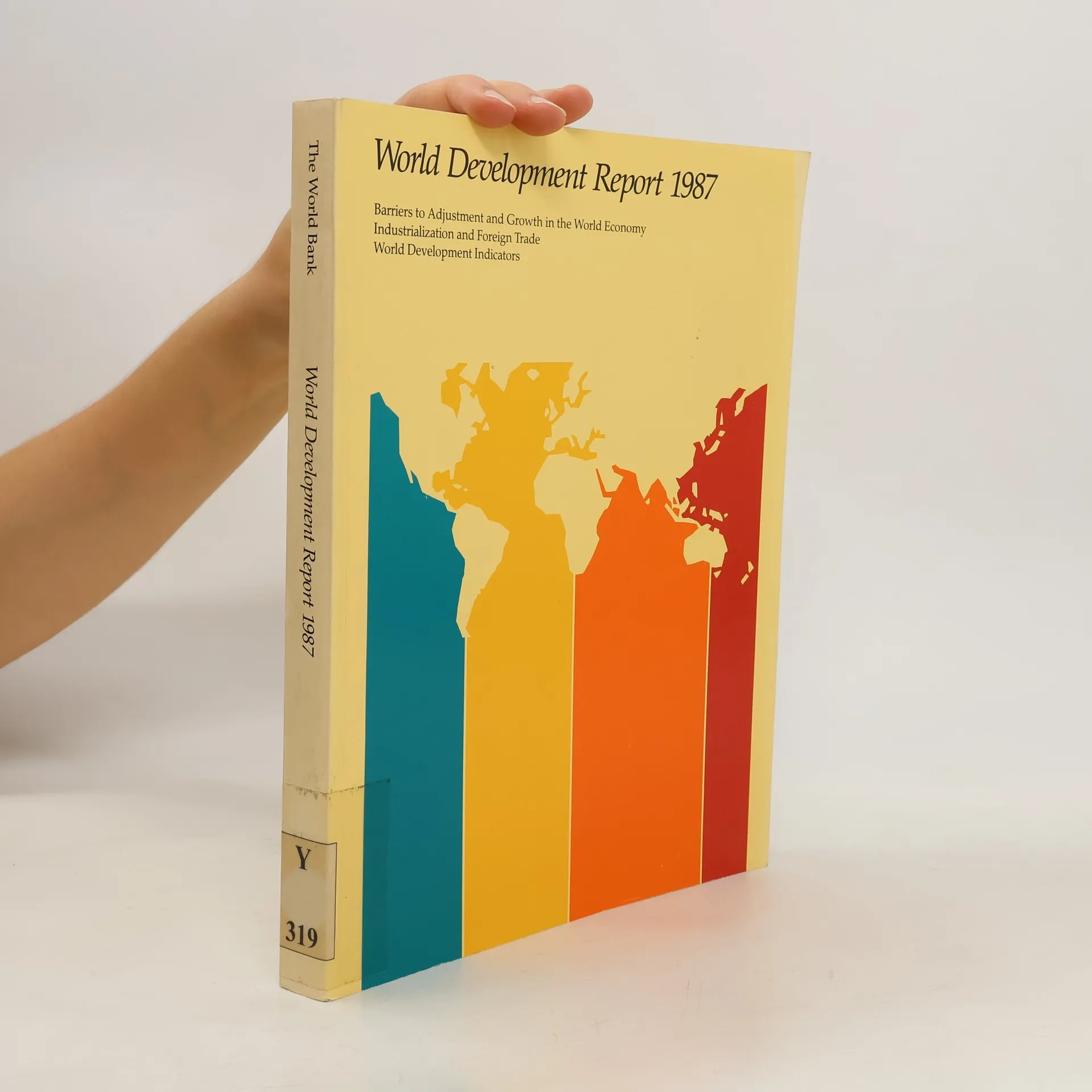
This report, consisting of two parts, is the tenth in the annual series assessing development issues. Part I reviews recent trends in the world economy and their implications for the future prospects of developing countries. It stresses that better economic performance is possible in both industrial and developing countries, provided the commitment to economic policy reforms is maintained and reinforced. In regard to the external debt issues, the report argues for strengthened cooperation among industrial countries in the sphere of macroeconomic policy to promote smooth adjustment to the imbalances caused by external payments (in developing countries). Part II reviews and evaluates the varied experience with government policies in support of industrialization. Emphasis is placed on policies which affect both the efficiency and sustainability of industrial transformation, especially in the sphere of foreign trade. The report finds that developing countries which followed policies that promoted the integration of their industrial sector into the international economy through trade have fared better than those which insulated themselves from international competition.
Zakup książki
World Development Report 1987, kolektiv
- Język

- Rok wydania
- 1987
- Oprawa
- (twarda)
Metody płatności
Nikt jeszcze nie ocenił.
- Tytuł
- World Development Report 1987
- Język
- angielski
- Autorzy
- kolektiv
- Wydawca
- Oxford University Press, USA
- Rok wydania
- 1987
- Oprawa
- twarda
- Liczba stron
- 298
- ISBN10
- 0195205626
- ISBN13
- 9780195205626
- Seria
- Kategorie
- Tagi
- Opis
- This report, consisting of two parts, is the tenth in the annual series assessing development issues. Part I reviews recent trends in the world economy and their implications for the future prospects of developing countries. It stresses that better economic performance is possible in both industrial and developing countries, provided the commitment to economic policy reforms is maintained and reinforced. In regard to the external debt issues, the report argues for strengthened cooperation among industrial countries in the sphere of macroeconomic policy to promote smooth adjustment to the imbalances caused by external payments (in developing countries). Part II reviews and evaluates the varied experience with government policies in support of industrialization. Emphasis is placed on policies which affect both the efficiency and sustainability of industrial transformation, especially in the sphere of foreign trade. The report finds that developing countries which followed policies that promoted the integration of their industrial sector into the international economy through trade have fared better than those which insulated themselves from international competition.