




Więcej o książce
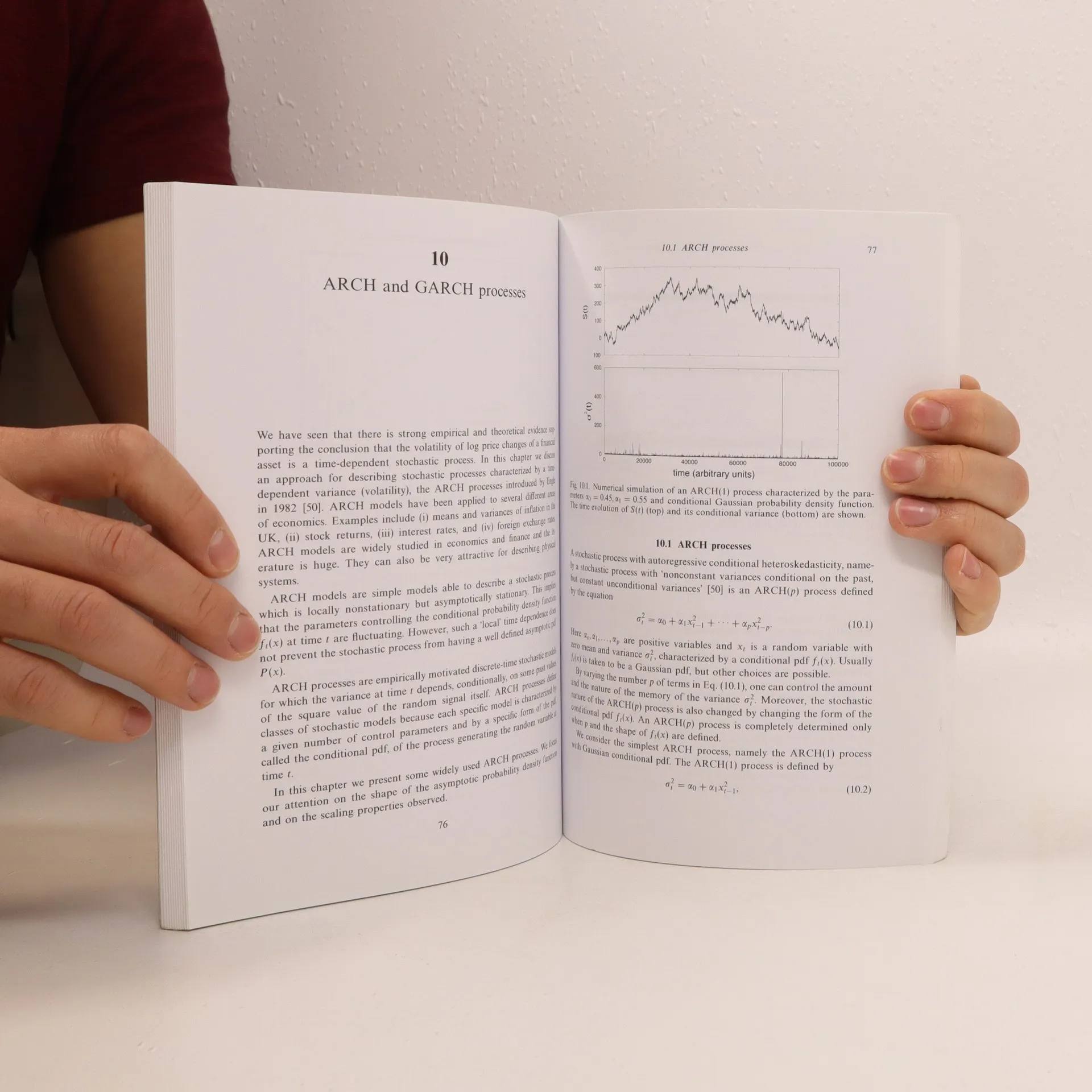
Statistical physics concepts such as stochastic dynamics, short- and long-range correlations, self-similarity and scaling, permit an understanding of the global behavior of economic systems without first having to work out a detailed microscopic description of the system. This pioneering text explores the use of these concepts in the description of financial systems, the dynamic new specialty of econophysics. The authors illustrate the scaling concepts used in probability theory, critical phenomena, and fully-developed turbulent fluids and apply them to financial time series. They also present a new stochastic model that displays several of the statistical properties observed in empirical data. Physicists will find the application of statistical physics concepts to economic systems fascinating. Economists and other financial professionals will benefit from the book's empirical analysis methods and well-formulated theoretical tools that will allow them to describe systems composed of a huge number of interacting subsystems.
Zakup książki
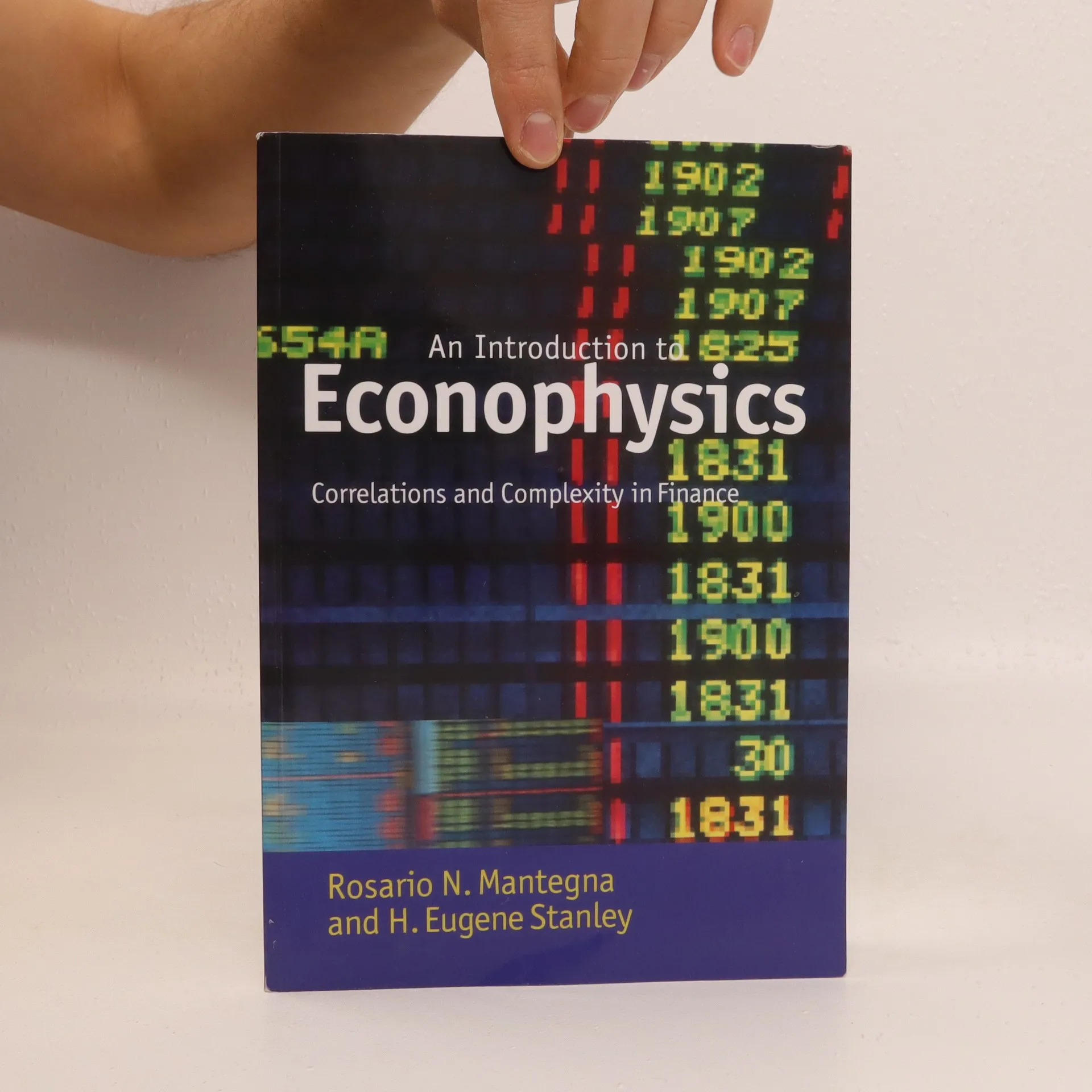
An introduction to econophysics : correlations and complexity in finance, Rosario N. Mantegna, H. Eugene Stanley
- Język

- Rok wydania
- 2000
- Oprawa
- (miękka)
Metody płatności
Brakuje nam tutaj Twojej recenzji.
- Tytuł
- An introduction to econophysics : correlations and complexity in finance
- Język
- angielski
- Autorzy
- Rosario N. Mantegna, H. Eugene Stanley
- Wydawca
- Cambridge University Press
- Rok wydania
- 2000
- Oprawa
- miękka
- ISBN10
- 0521039878
- ISBN13
- 9780521039871
- Seria
- Ocena
- 3,6 z 5
- Opis
- Statistical physics concepts such as stochastic dynamics, short- and long-range correlations, self-similarity and scaling, permit an understanding of the global behavior of economic systems without first having to work out a detailed microscopic description of the system. This pioneering text explores the use of these concepts in the description of financial systems, the dynamic new specialty of econophysics. The authors illustrate the scaling concepts used in probability theory, critical phenomena, and fully-developed turbulent fluids and apply them to financial time series. They also present a new stochastic model that displays several of the statistical properties observed in empirical data. Physicists will find the application of statistical physics concepts to economic systems fascinating. Economists and other financial professionals will benefit from the book's empirical analysis methods and well-formulated theoretical tools that will allow them to describe systems composed of a huge number of interacting subsystems.