

Więcej o książce
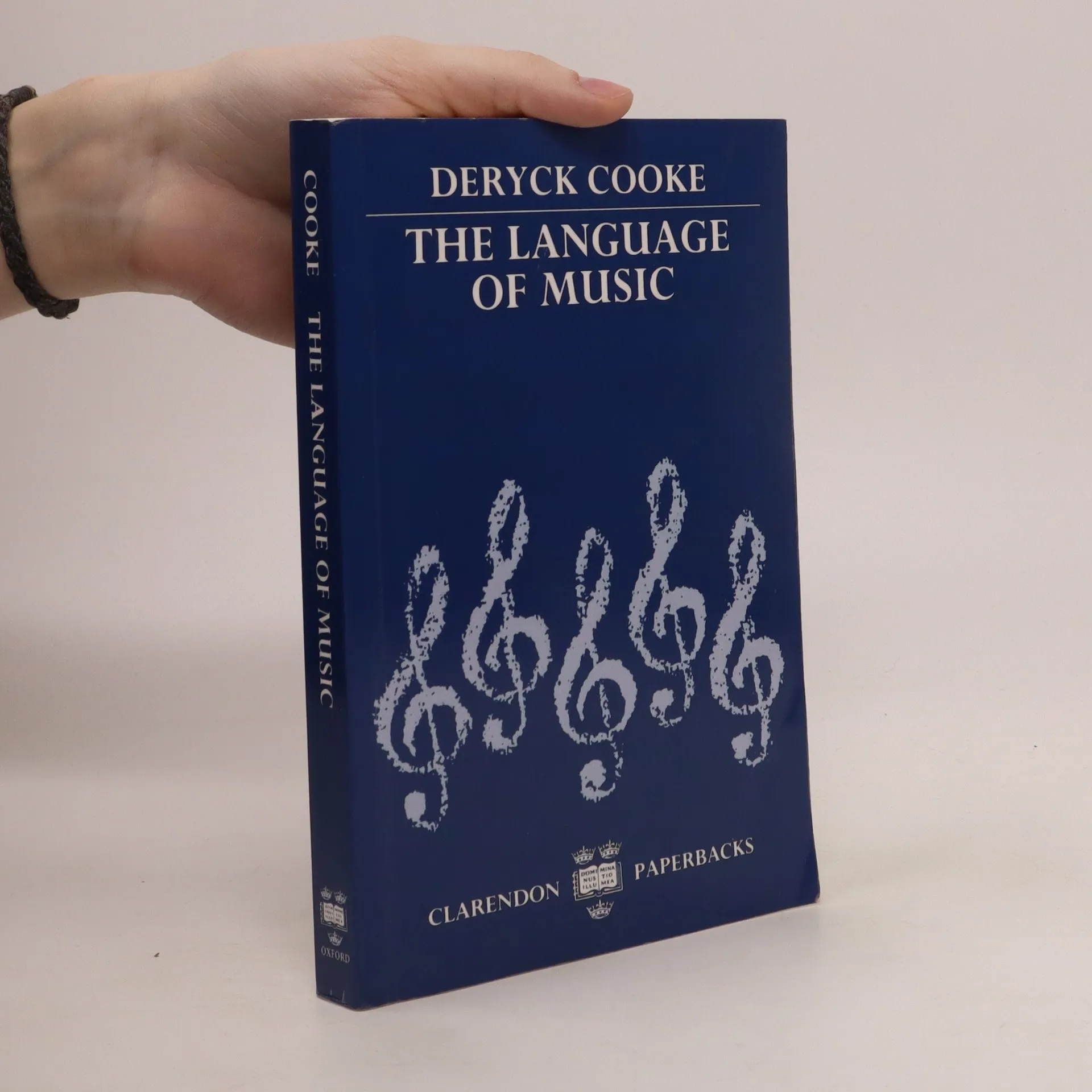
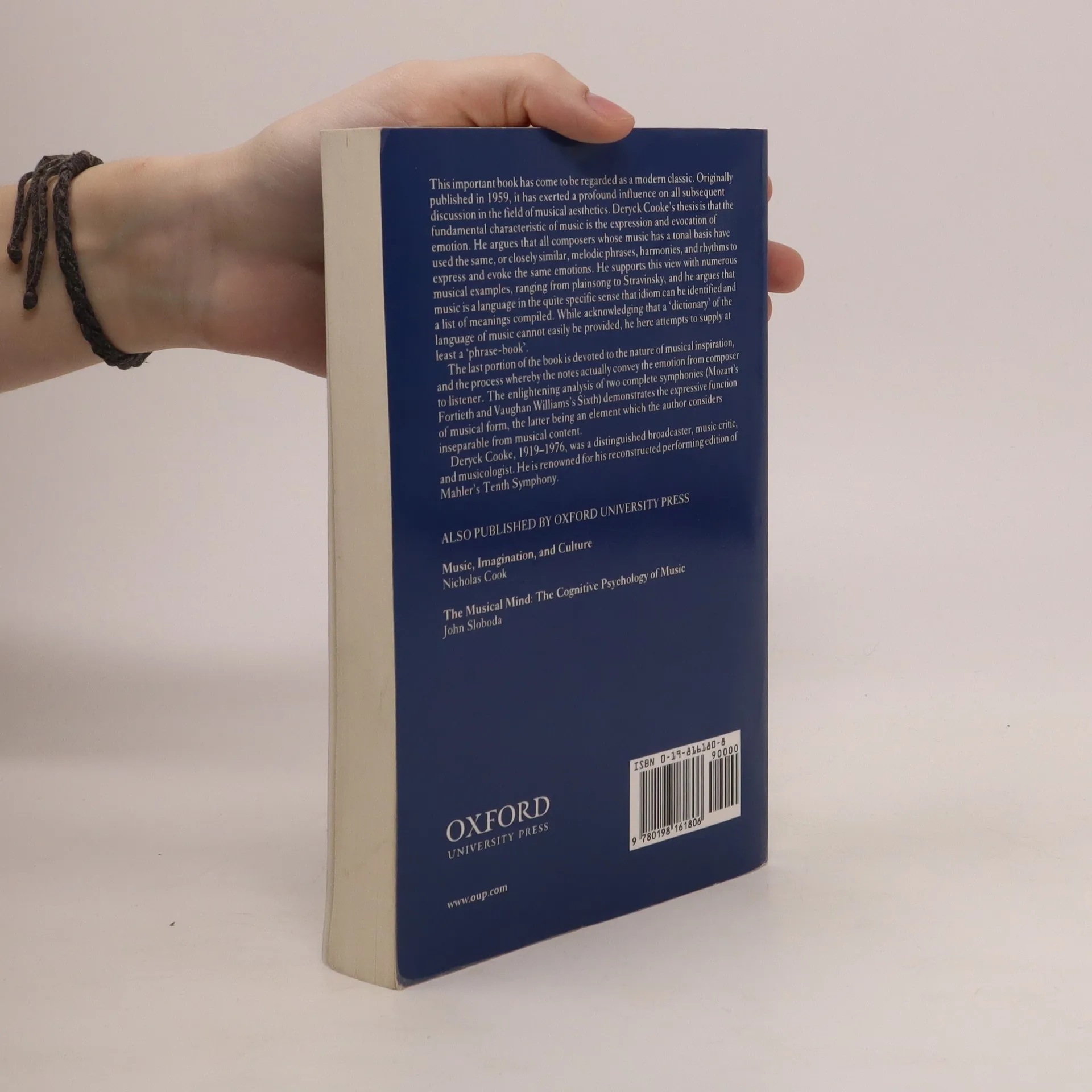
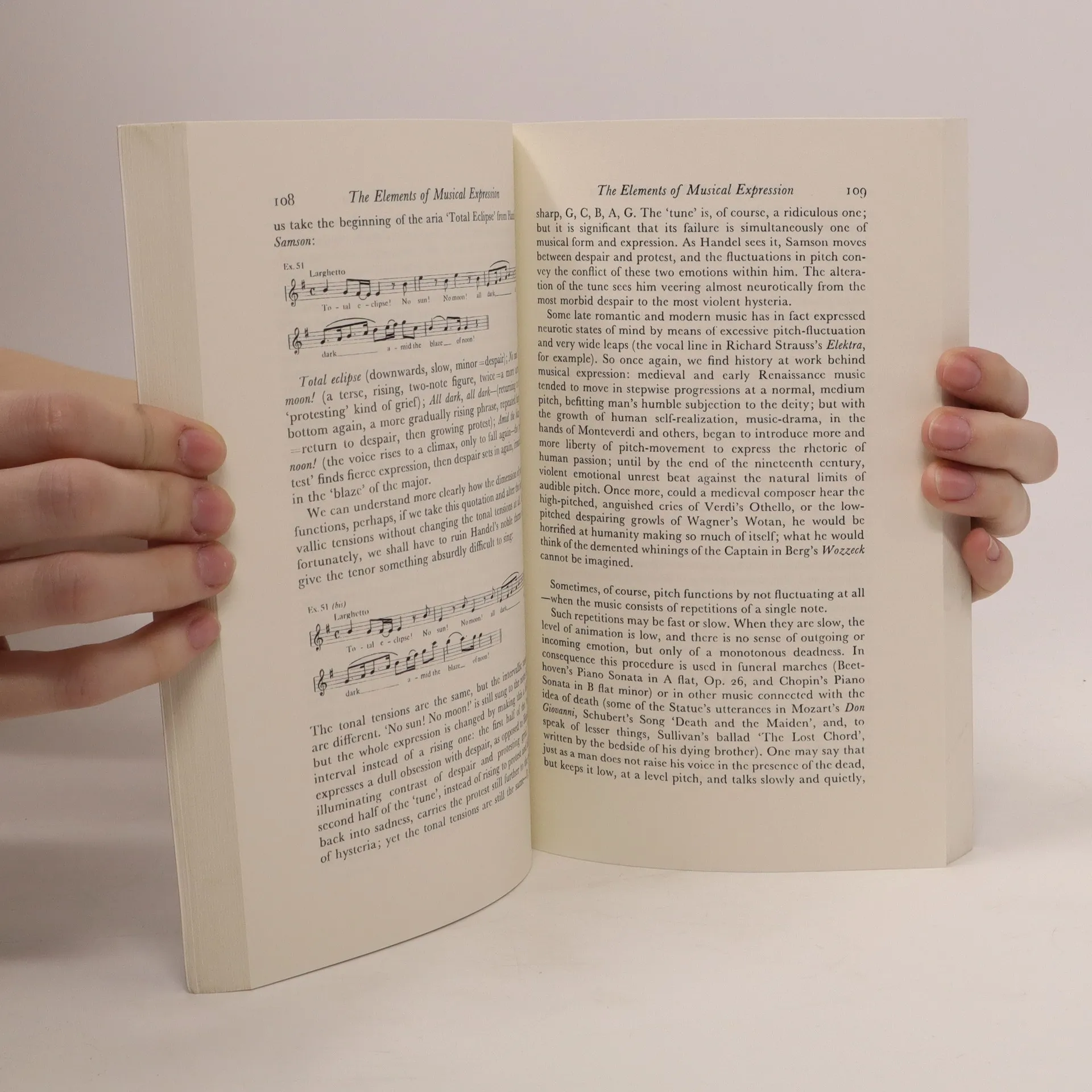
This important and controversial book has come to be regarded as a modern classic. Originally published in 1959, it has exerted a profound influence on all subsequent discussion in the field of musical aesthetics. The author's thesis is that the main characteristic of music is to express andevoke emotion, and that all composers whose music has a tonal basis have used the same, or closely similar, melodic phrases, harmonies, and rhythms to express and evoke the same emotions. He supports this view with numerous musical examples, varying from plainsong to Stravinsky. Based on thisevidence he argues that music is a language in the quite specific sense that idioms can be identified and a list of meanings compiled. While acknowledging that a 'dictionary' of the language of music cannot easily be provided, he attempts to supply what could at least be regarded as a 'phrase book'.The enlightening analysis of two complete symphonies by Mozart and Vaughan Williams demonstrates the expressive function of musical form, the latter being an element which the author considers inseparable from musical content.
Zakup książki
The language of music, Deryck Cooke
- Język

- Rok wydania
- 2001
- Oprawa
- (miękka)
Metody płatności
Brakuje nam tutaj Twojej recenzji.
- Tytuł
- The language of music
- Język
- angielski
- Autorzy
- Deryck Cooke
- Wydawca
- Oxford University Press
- Rok wydania
- 2001
- Oprawa
- miękka
- ISBN10
- 0198161808
- ISBN13
- 9780198161806
- Seria
- Ocena
- 4 z 5
- Opis
- This important and controversial book has come to be regarded as a modern classic. Originally published in 1959, it has exerted a profound influence on all subsequent discussion in the field of musical aesthetics. The author's thesis is that the main characteristic of music is to express andevoke emotion, and that all composers whose music has a tonal basis have used the same, or closely similar, melodic phrases, harmonies, and rhythms to express and evoke the same emotions. He supports this view with numerous musical examples, varying from plainsong to Stravinsky. Based on thisevidence he argues that music is a language in the quite specific sense that idioms can be identified and a list of meanings compiled. While acknowledging that a 'dictionary' of the language of music cannot easily be provided, he attempts to supply what could at least be regarded as a 'phrase book'.The enlightening analysis of two complete symphonies by Mozart and Vaughan Williams demonstrates the expressive function of musical form, the latter being an element which the author considers inseparable from musical content.