

Więcej o książce
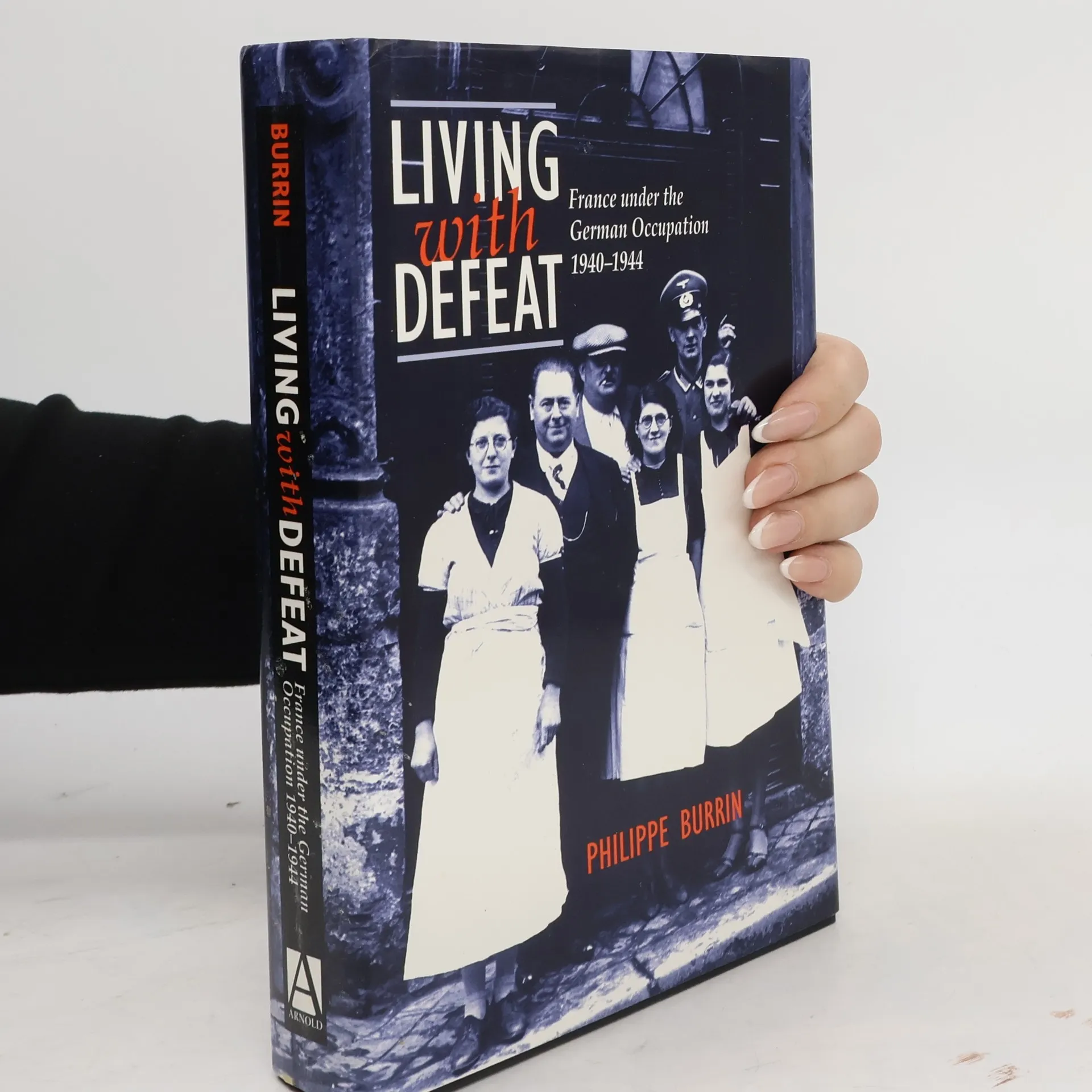
After stupefying defeat in 1940, the French had to come to terms with the realities of occupation. For four years they adapted in different ways to Nazi rule: some resisting, most submitting and pliant, a fair number seeking some sort of accommodation with the enemy. Occupied France is the first book to look at the whole range of French responses. How did the various elements in French society adapt? It lays bare the patterns of people's behaviour, of collaboration in daily life, whether flaunted or surreptitious - the search for work or for contracts from the Germans, the absorption of German 'ways', going to concerts, conferences or exhibitions organized by the enemy. Placed in this extraordinary predicament, the French had to find a line between the acceptable and unacceptable, make the choice between dignity and indignity, good and bad, consult the image they had of themselves and of their country and consider its interests, their interests. Whether their response to the occupation was hesitant, ambivalent, bloody or debauched, it has remained an open wound, refusing to heal with the passing of time.
Zakup książki
Living with defeat, Philippe Burrin
- Język

- Rok wydania
- 1996
- Oprawa
- (twarda)
Metody płatności
Brakuje nam tutaj Twojej recenzji.
- Tytuł
- Living with defeat
- Język
- angielski
- Autorzy
- Philippe Burrin
- Wydawca
- Arnold
- Rok wydania
- 1996
- Oprawa
- twarda
- Liczba stron
- 520
- ISBN10
- 0340652225
- ISBN13
- 9780340652220
- Seria
- Oryginalna nazwa
- La France à l'heure allemande
- Ocena
- 3 z 5
- Opis
- After stupefying defeat in 1940, the French had to come to terms with the realities of occupation. For four years they adapted in different ways to Nazi rule: some resisting, most submitting and pliant, a fair number seeking some sort of accommodation with the enemy. Occupied France is the first book to look at the whole range of French responses. How did the various elements in French society adapt? It lays bare the patterns of people's behaviour, of collaboration in daily life, whether flaunted or surreptitious - the search for work or for contracts from the Germans, the absorption of German 'ways', going to concerts, conferences or exhibitions organized by the enemy. Placed in this extraordinary predicament, the French had to find a line between the acceptable and unacceptable, make the choice between dignity and indignity, good and bad, consult the image they had of themselves and of their country and consider its interests, their interests. Whether their response to the occupation was hesitant, ambivalent, bloody or debauched, it has remained an open wound, refusing to heal with the passing of time.