

Więcej o książce
Plant ecophysiology fundamentally examines how plant physiology is influenced by varying external factors. Defined by the Societe d'Ecophysiologie, it encompasses both the descriptive study of organism responses to environmental conditions and the causal analysis of the physiological mechanisms that depend on ecological contexts. This approach must consider polymorphism—structural and functional diversity in individual responses—which is crucial for understanding a population's adaptive capacity. The discipline provides essential insights into the mechanisms behind adaptive strategies. The author aims to convey the conceptual framework of this field, highlighting the interactions between plants and their environments while addressing current challenges. Although physiological ecology is an exciting and expanding scientific area, it is not new; the text reflects its rich historical background through illustrations and tabular data. The results presented showcase the vision, struggles, and achievements of pioneering experimental ecophysiologists alongside the latest advancements in knowledge.
Zakup książki
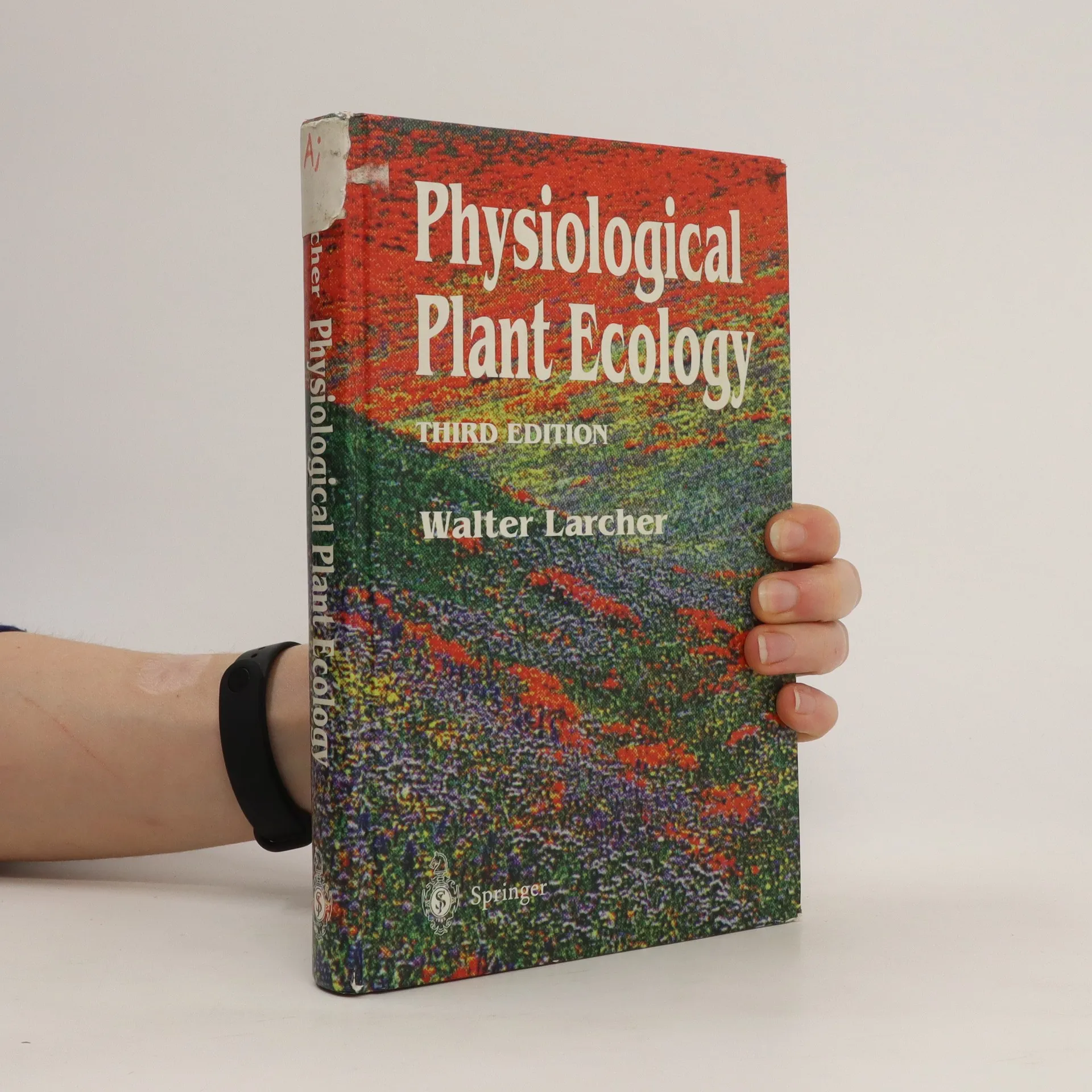
Physiological plant ecology, Walter Larcher
- Język

- Rok wydania
- 1995
- Oprawa
- (twarda)
Metody płatności
Brakuje nam tutaj Twojej recenzji.
- Tytuł
- Physiological plant ecology
- Język
- angielski
- Autorzy
- Walter Larcher
- Wydawca
- Springer
- Rok wydania
- 1995
- Oprawa
- twarda
- Liczba stron
- 528
- ISBN10
- 3540581162
- ISBN13
- 9783540581161
- Seria
- Kategorie
- Tagi
- Nauka
- Oryginalna nazwa
- Ökophysiologie der Pflanzen
- Ocena
- 4,5 z 5
- Opis
- Plant ecophysiology fundamentally examines how plant physiology is influenced by varying external factors. Defined by the Societe d'Ecophysiologie, it encompasses both the descriptive study of organism responses to environmental conditions and the causal analysis of the physiological mechanisms that depend on ecological contexts. This approach must consider polymorphism—structural and functional diversity in individual responses—which is crucial for understanding a population's adaptive capacity. The discipline provides essential insights into the mechanisms behind adaptive strategies. The author aims to convey the conceptual framework of this field, highlighting the interactions between plants and their environments while addressing current challenges. Although physiological ecology is an exciting and expanding scientific area, it is not new; the text reflects its rich historical background through illustrations and tabular data. The results presented showcase the vision, struggles, and achievements of pioneering experimental ecophysiologists alongside the latest advancements in knowledge.