



Więcej o książce
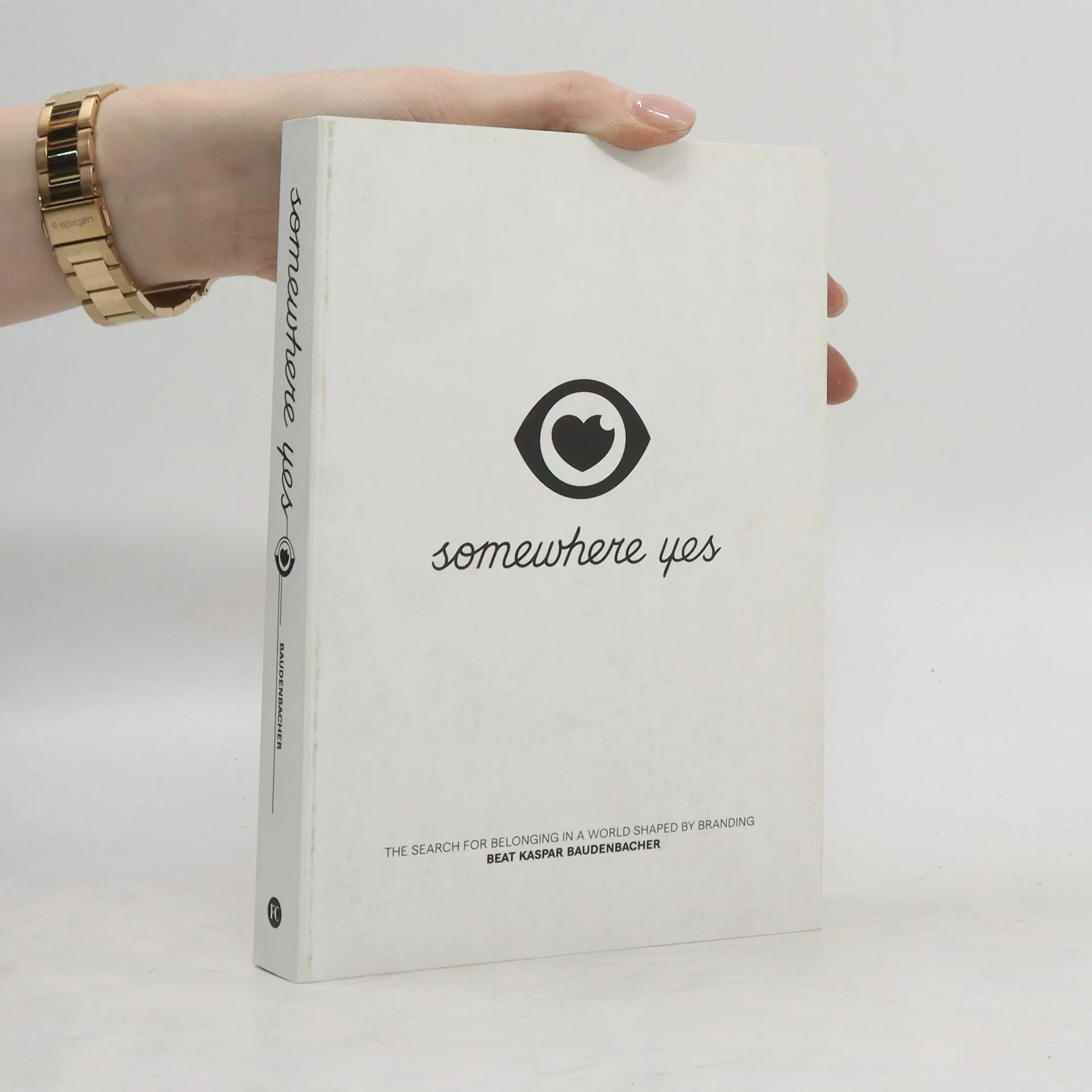
Amazon Best Seller in Branding & Logo Design, Advertising Graphic Design, and Digital Art In a unique text most relevant to our times, Brooklyn-based designer and creative director Beat Kaspar Baudenbacher dives into the pros and cons of a social structure driven by branding. A complex and visually provocative foray into the way we become our environment―from our products to our politics― Somewhere Yes takes us on a journey designed to make us question the intentionality of our choices, the depth of our kindness, and our very belonging as a species on this planet. Branding has the capacity to promote human connection but instead often fosters division and detachment. Yet, it doesn't have to be this way―it has simply evolved into this struggle because we've allowed our individual wants to overcome our collective needs, much like a symbol of beauty might evolve into one of fascism. Baudenbacher provides insightful ways to take apart the identity crisis we have so haphazardly put together, so that we may belong . . . better.
Zakup książki
Somewhere Yes, Beat Kaspar Baudenbacher
- Język

- Rok wydania
- 2022
- Oprawa
- (miękka)
Metody płatności
Brakuje nam tutaj Twojej recenzji.
- Tytuł
- Somewhere Yes
- Język
- angielski
- Autorzy
- Beat Kaspar Baudenbacher
- Wydawca
- Fast Company Press
- Rok wydania
- 2022
- Oprawa
- miękka
- Liczba stron
- 376
- ISBN10
- 1639080112
- ISBN13
- 9781639080113
- Seria
- Ocena
- 4,1 z 5
- Opis
- Amazon Best Seller in Branding & Logo Design, Advertising Graphic Design, and Digital Art In a unique text most relevant to our times, Brooklyn-based designer and creative director Beat Kaspar Baudenbacher dives into the pros and cons of a social structure driven by branding. A complex and visually provocative foray into the way we become our environment―from our products to our politics― Somewhere Yes takes us on a journey designed to make us question the intentionality of our choices, the depth of our kindness, and our very belonging as a species on this planet. Branding has the capacity to promote human connection but instead often fosters division and detachment. Yet, it doesn't have to be this way―it has simply evolved into this struggle because we've allowed our individual wants to overcome our collective needs, much like a symbol of beauty might evolve into one of fascism. Baudenbacher provides insightful ways to take apart the identity crisis we have so haphazardly put together, so that we may belong . . . better.