




Więcej o książce
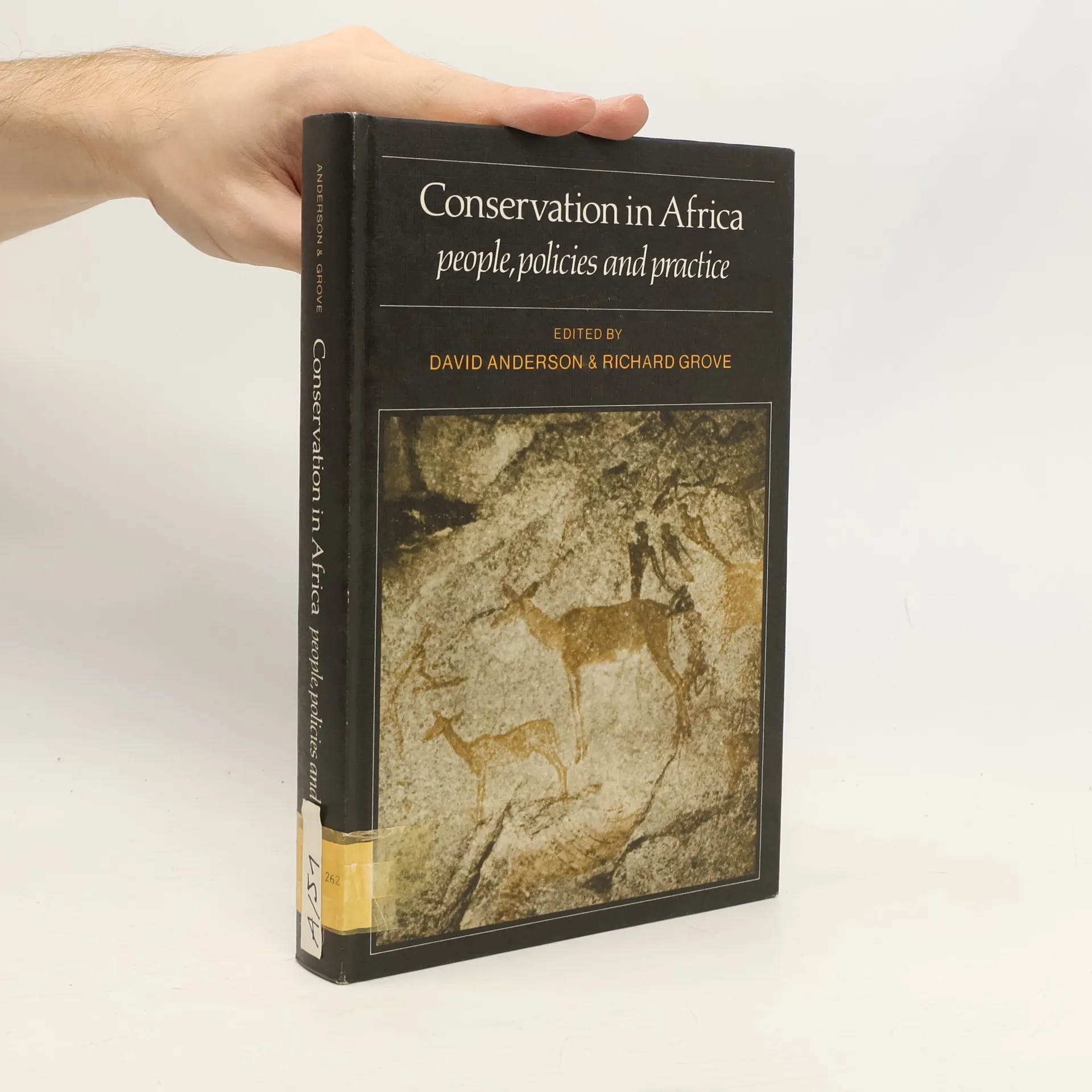
This book provides a new inter-disciplinary look at the practice and policies of conservation in Africa. Bringing together social scientists, anthropologists and historians with biologists for the first time, the book sheds some light on the previously neglected but critically important social aspects of conservation thinking. To date conservation has been very much the domain of the biologist, but the current ecological crisis in Africa and the failure of orthodox conservation policies demand a radical new appraisal of conventional practices. This new approach to conservation, the book argues, cannot deal simply with the survival of species and habitats, for the future of African wildlife is intimately tied to the future of African rural communities. Conservation must form an integral part of future policies for human development. The book emphasises this urgent need for a complementary rather than a competitive approach. It covers a wide range of topics important to this new approach, from wildlife management to soil conservation and from the Cape in the nineteenth century to Ethiopia in the 1980s. It is essential reading for all those concerned about people and conservation in Africa.
Zakup książki
Conservation in Africa: people, policies and practice, David Anderson, Richard Groves
- Język

- Rok wydania
- 1987
- Oprawa
- (twarda)
Metody płatności
Brakuje nam tutaj Twojej recenzji.
- Tytuł
- Conservation in Africa: people, policies and practice
- Język
- angielski
- Autorzy
- David Anderson, Richard Groves
- Wydawca
- Cambridge University Press
- Rok wydania
- 1987
- Oprawa
- twarda
- Liczba stron
- 368
- ISBN10
- 052134199X
- ISBN13
- 9780521341998
- Seria
- Kategorie
- Tagi
- Ocena
- 4 z 5
- Opis
- This book provides a new inter-disciplinary look at the practice and policies of conservation in Africa. Bringing together social scientists, anthropologists and historians with biologists for the first time, the book sheds some light on the previously neglected but critically important social aspects of conservation thinking. To date conservation has been very much the domain of the biologist, but the current ecological crisis in Africa and the failure of orthodox conservation policies demand a radical new appraisal of conventional practices. This new approach to conservation, the book argues, cannot deal simply with the survival of species and habitats, for the future of African wildlife is intimately tied to the future of African rural communities. Conservation must form an integral part of future policies for human development. The book emphasises this urgent need for a complementary rather than a competitive approach. It covers a wide range of topics important to this new approach, from wildlife management to soil conservation and from the Cape in the nineteenth century to Ethiopia in the 1980s. It is essential reading for all those concerned about people and conservation in Africa.