

Więcej o książce
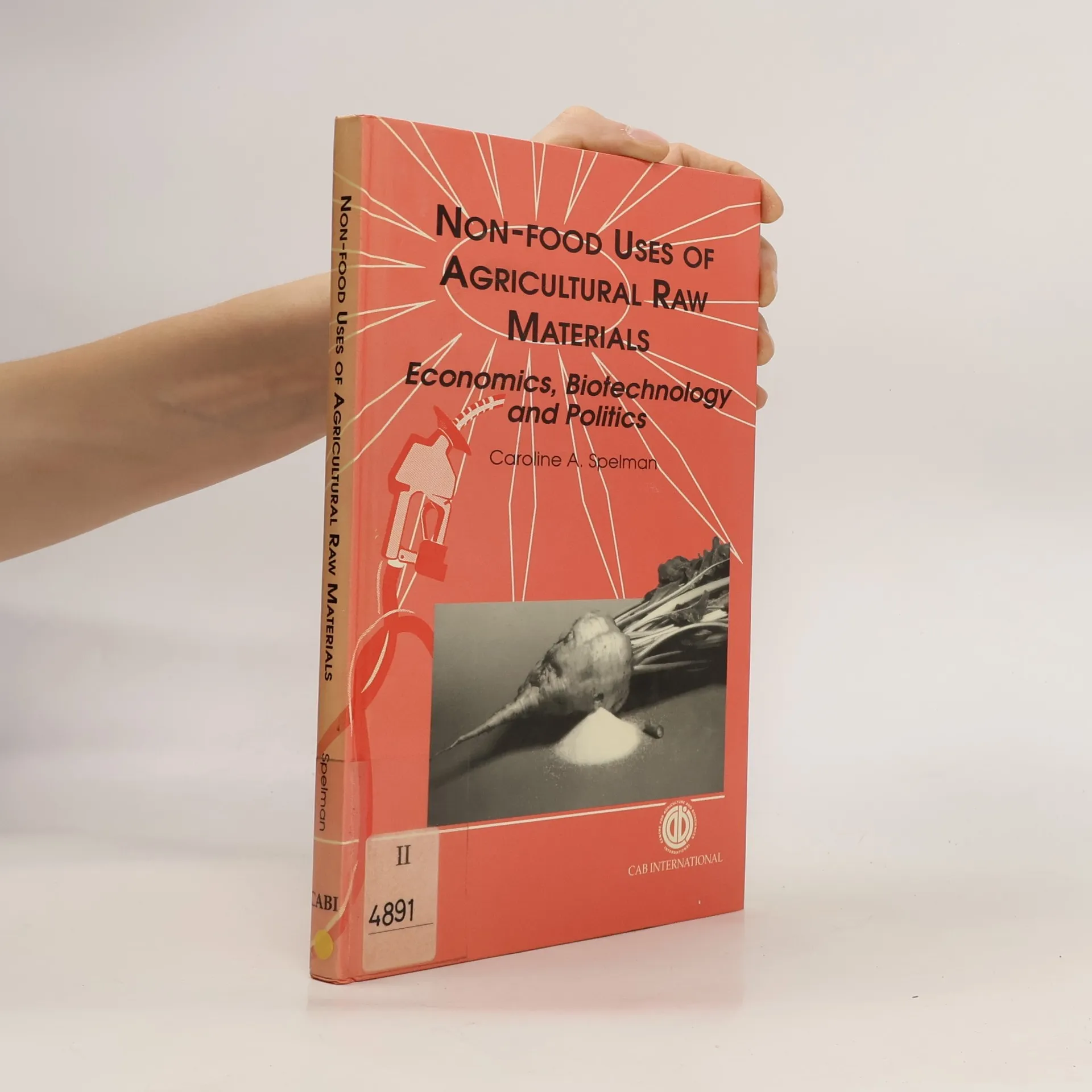
Interest has recently grown in the non-food uses of agricultural raw materials (ARMs), particularly in developed economies. Reasons for this include the fact that in Western Europe at least, land is now surplus to food production requirements and concern about the environmental consequences of exploiting finite fossil resources. The end products sought for non-food uses are carbohydrates, fats and fibres derived from both conventional crops such as wheat, maize, oilseed rape, sugar beet and flax, as well as less conventional crops or byproducts such as lupins, elephant grass, straw and agricultural waste.This book provides an integrated perspective on both the technology and economics of the processes involved. In many cases, ARMs have to compete with cheaper substrates such as oil. The author analyzes two case studies in bioethanol and a particular biodegradable plastic. Relevant political and legislative aspects, for example in the United States, Japan and the European community, as well as in less-developed countries such as Brazil, the Caribbean and some African countries where ARMs are used for energy purposes are also studied. The book will interest a wide range of people in academic research, industry and policy making concerned with the practical potential of this area of biotechnology.
Zakup książki
Non-food Uses of Agricultural Raw Materials, Caroline A Spelman
- Język

- Rok wydania
- 1996
- Oprawa
- (twarda)
Metody płatności
Nikt jeszcze nie ocenił.
- Tytuł
- Non-food Uses of Agricultural Raw Materials
- Język
- angielski
- Autorzy
- Caroline A Spelman
- Rok wydania
- 1996
- Oprawa
- twarda
- Liczba stron
- 160
- ISBN10
- 0851987699
- ISBN13
- 9780851987699
- Seria
- Kategorie
- Tagi
- Biznes
- Opis
- Interest has recently grown in the non-food uses of agricultural raw materials (ARMs), particularly in developed economies. Reasons for this include the fact that in Western Europe at least, land is now surplus to food production requirements and concern about the environmental consequences of exploiting finite fossil resources. The end products sought for non-food uses are carbohydrates, fats and fibres derived from both conventional crops such as wheat, maize, oilseed rape, sugar beet and flax, as well as less conventional crops or byproducts such as lupins, elephant grass, straw and agricultural waste.This book provides an integrated perspective on both the technology and economics of the processes involved. In many cases, ARMs have to compete with cheaper substrates such as oil. The author analyzes two case studies in bioethanol and a particular biodegradable plastic. Relevant political and legislative aspects, for example in the United States, Japan and the European community, as well as in less-developed countries such as Brazil, the Caribbean and some African countries where ARMs are used for energy purposes are also studied. The book will interest a wide range of people in academic research, industry and policy making concerned with the practical potential of this area of biotechnology.