



Więcej o książce
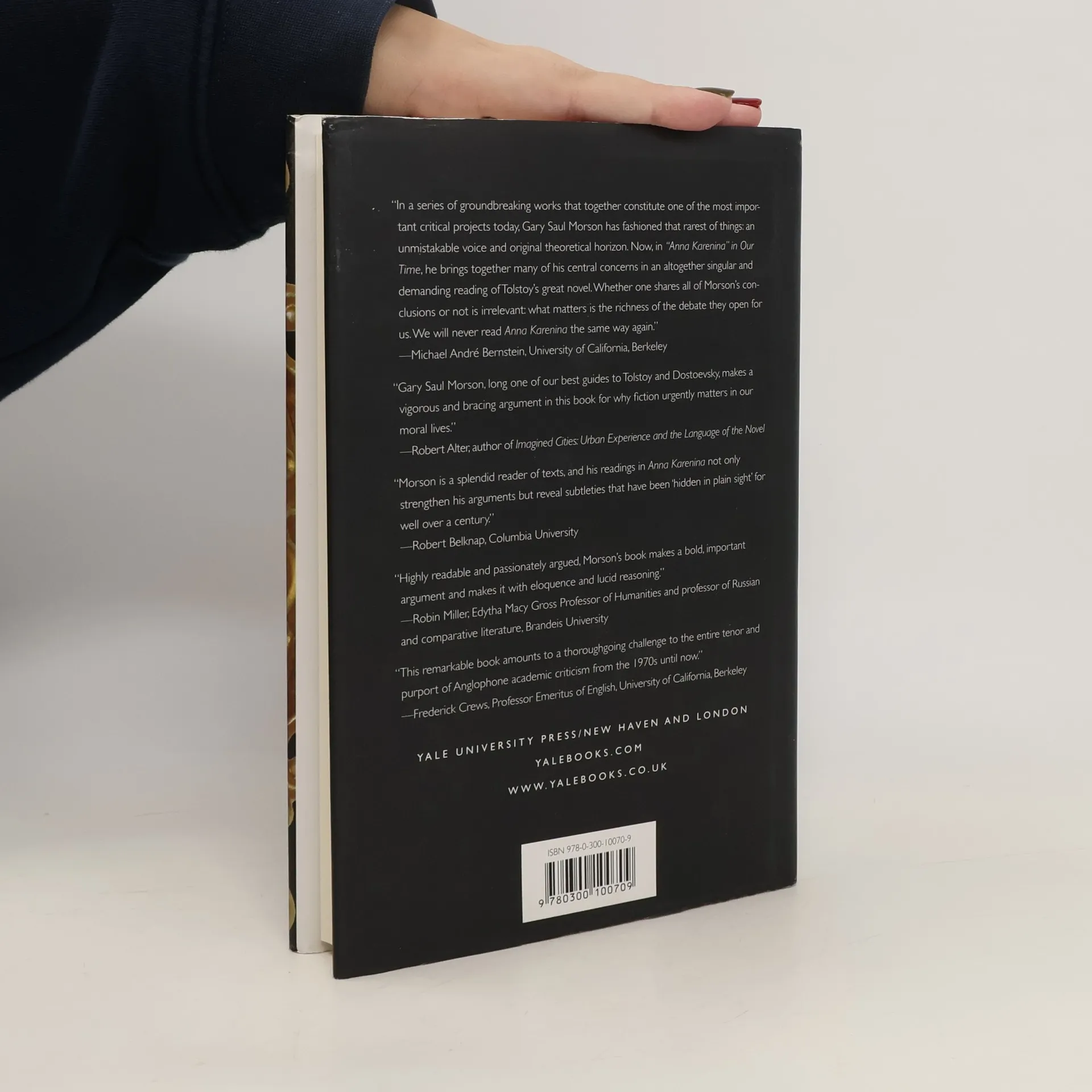
In this invigorating new assessment of Anna Karenina , Gary Saul Morson overturns traditional interpretations of the classic novel and shows why readers have misunderstood Tolstoy’s characters and intentions. Morson argues that Tolstoy’s ideas are far more radical than has been his masterpiece challenges deeply held conceptions of romantic love, the process of social reform, modernization, and the nature of good and evil. By investigating the ethical, philosophical, and social issues with which Tolstoy grappled, Morson finds in Anna Karenina powerful connections with the concerns of today. He proposes that Tolstoy’s effort to see the world more wisely can deeply inform our own search for wisdom in the present day. The book offers brilliant analyses of Anna, Karenin, Dolly, Levin, and other characters, with a particularly subtle portrait of Anna’s extremism and self-deception. Morson probes Tolstoy’s important insights (evil is often the result of negligence; goodness derives from small, everyday deeds) and completes the volume with an irresistible, original list of One Hundred and Sixty-Three Tolstoyan Conclusions.
Zakup książki
Anna Karenina in Our Time, Gary Saul Morson
- Język

- Rok wydania
- 2007
- Oprawa
- (twarda)
Metody płatności
Brakuje nam tutaj Twojej recenzji.
- Tytuł
- Anna Karenina in Our Time
- Język
- angielski
- Autorzy
- Gary Saul Morson
- Wydawca
- Yale University Press
- Rok wydania
- 2007
- Oprawa
- twarda
- Liczba stron
- 263
- ISBN10
- 0300100701
- ISBN13
- 9780300100709
- Seria
- Ocena
- 4,4 z 5
- Opis
- In this invigorating new assessment of Anna Karenina , Gary Saul Morson overturns traditional interpretations of the classic novel and shows why readers have misunderstood Tolstoy’s characters and intentions. Morson argues that Tolstoy’s ideas are far more radical than has been his masterpiece challenges deeply held conceptions of romantic love, the process of social reform, modernization, and the nature of good and evil. By investigating the ethical, philosophical, and social issues with which Tolstoy grappled, Morson finds in Anna Karenina powerful connections with the concerns of today. He proposes that Tolstoy’s effort to see the world more wisely can deeply inform our own search for wisdom in the present day. The book offers brilliant analyses of Anna, Karenin, Dolly, Levin, and other characters, with a particularly subtle portrait of Anna’s extremism and self-deception. Morson probes Tolstoy’s important insights (evil is often the result of negligence; goodness derives from small, everyday deeds) and completes the volume with an irresistible, original list of One Hundred and Sixty-Three Tolstoyan Conclusions.