

Więcej o książce
The latest edition of this best–selling textbook continues to provide a unique cross–sectional study of virology. The text emphasizes structural and functional principles common to different species of virus rather than attempting a less useful taxonomic analysis. An entirely new chapter on HIV and AIDS has been added, providing a valuable vertical profile of an extremely important viral infection. The coverage of all aspects of immunology has been fully updated to take account of recent advances, especially in the T–cell area and in their relation to viral pathogenesis. New and powerful techniques such as PCR are explained in detail and their importance in virology demonstrated. The fourth edition will retain its place as the textbook of choice in virology, continuing to relate our current understanding of viral structure and function in relation to disease, and demonstrating how advances in molecular and cell biology and genetics are affecting the study and control of viruses.
Zakup książki
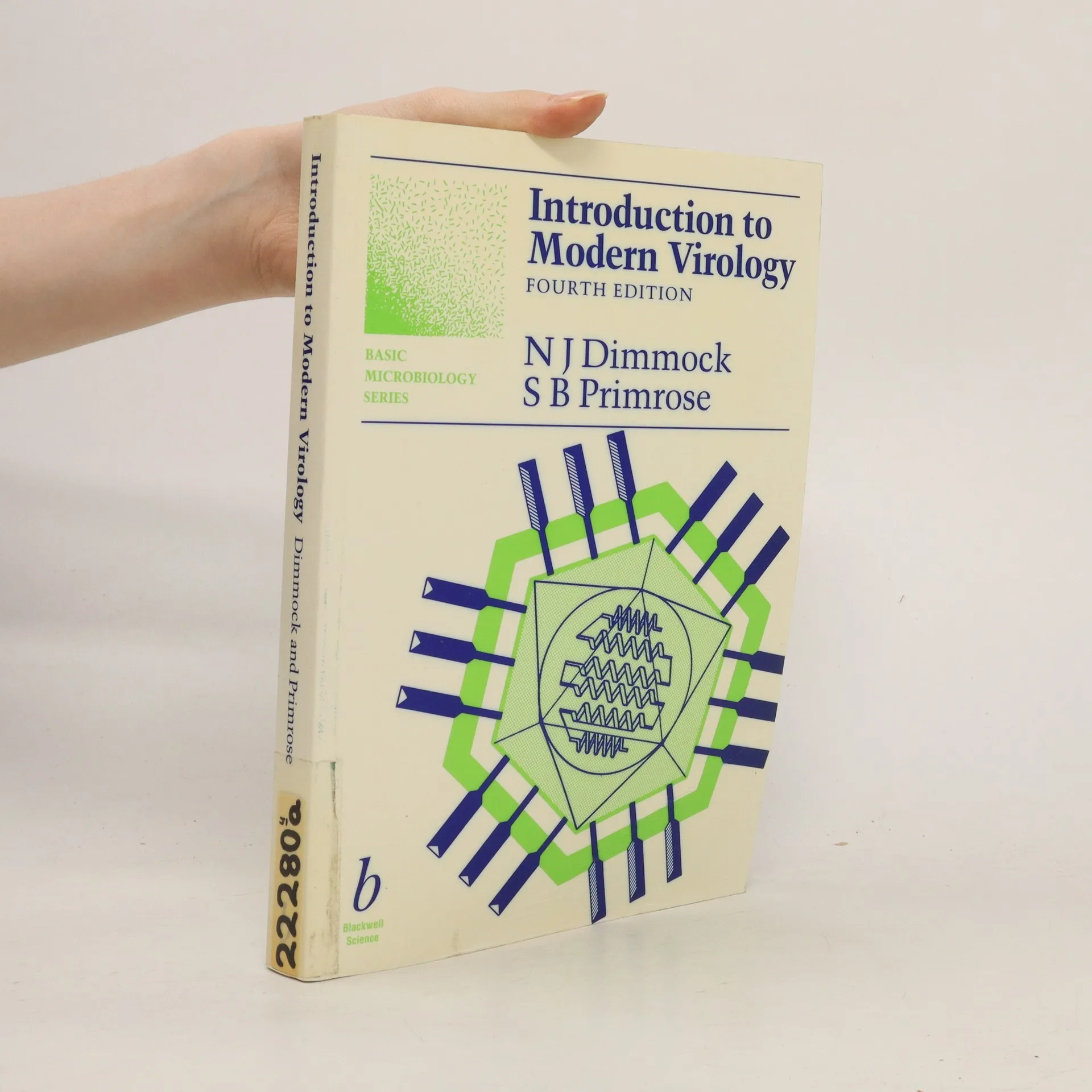
Introduction to Modern Virology, N. J. Dimmock, S. B. Primrose
- Język

- Rok wydania
- 1994
- Oprawa
- (miękka)
Metody płatności
Brakuje nam tutaj Twojej recenzji.
- Tytuł
- Introduction to Modern Virology
- Język
- angielski
- Autorzy
- N. J. Dimmock, S. B. Primrose
- Rok wydania
- 1994
- Oprawa
- miękka
- Liczba stron
- 384
- ISBN10
- 0632034033
- ISBN13
- 9780632034031
- Seria
- Ocena
- 2,8 z 5
- Opis
- The latest edition of this best–selling textbook continues to provide a unique cross–sectional study of virology. The text emphasizes structural and functional principles common to different species of virus rather than attempting a less useful taxonomic analysis. An entirely new chapter on HIV and AIDS has been added, providing a valuable vertical profile of an extremely important viral infection. The coverage of all aspects of immunology has been fully updated to take account of recent advances, especially in the T–cell area and in their relation to viral pathogenesis. New and powerful techniques such as PCR are explained in detail and their importance in virology demonstrated. The fourth edition will retain its place as the textbook of choice in virology, continuing to relate our current understanding of viral structure and function in relation to disease, and demonstrating how advances in molecular and cell biology and genetics are affecting the study and control of viruses.