



Więcej o książce
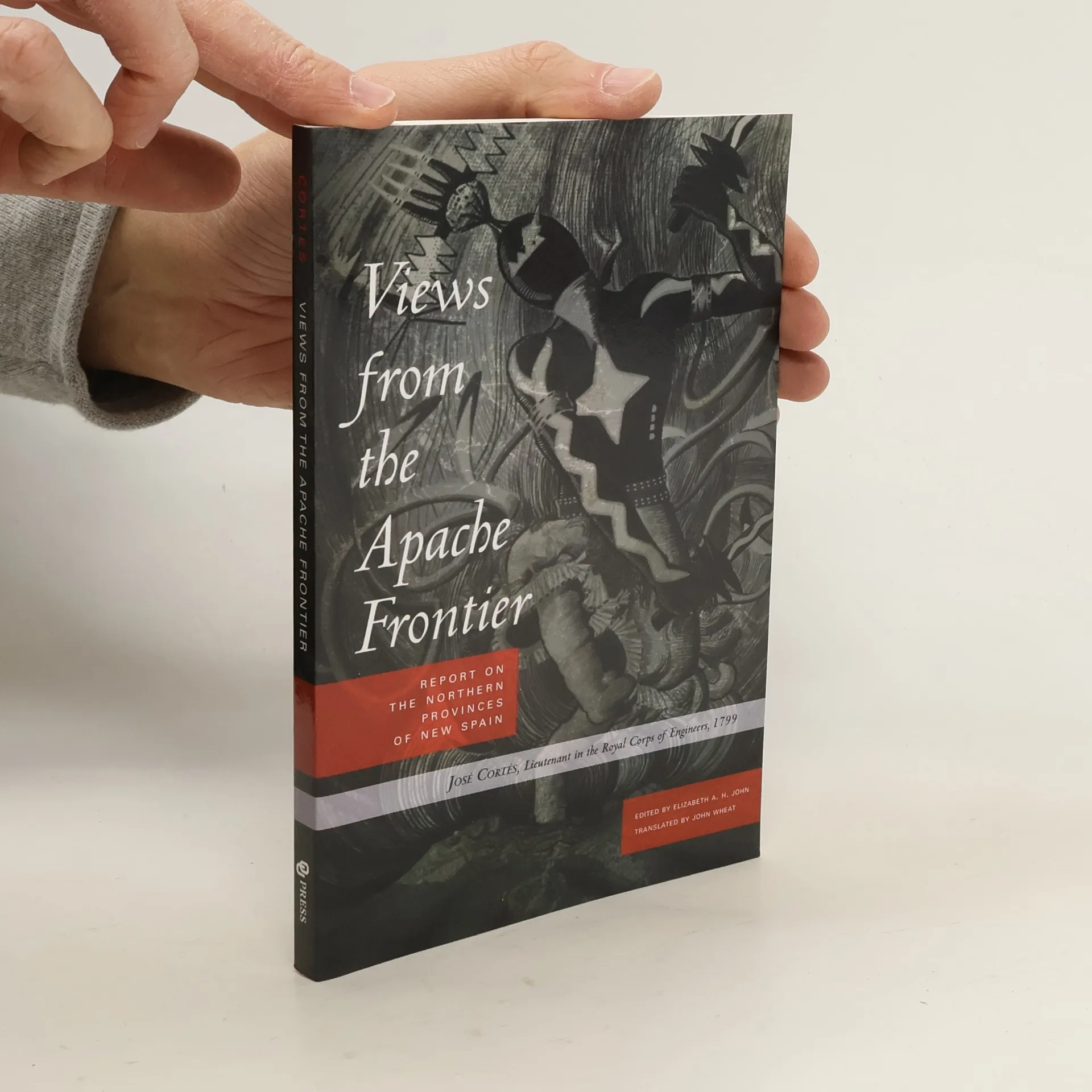
Lieutenant Jose Cortes of the Spanish Royal Corps of Engineers was a keen observer of the native peoples of the Northern Borderlands of New Spain. Especially fascinated by the Apaches whom he observed at frontier presidios in the 1790s, he gleaned all possible information from veterans of the frontier service, and in the process grew from sympathetic inquirer to virtual advocate. Recognizing the strategic importance not only of the Apacheria but also of Indian peoples in the farthest reaches of New Spain, the zealous officer combed available archives, summarizing data reported over a quarter century by the closest observers of New Spain’s frontier peoples from the Mississippi to the Pacific. Setting that information in a global strategic context, he paid particular attention--both admiring and cautionary--to the new Anglo-American republic, stressing the demographic factors making the United States such a dangerous neighbor to New Spain. His resulting Report on the Northern Provinces of New Spain provides the most closely informed, best organized understanding of Apaches available at the end of the eighteenth century. It also provides a rare glimpse of a sophisticated Spaniard’s grasp of the dangers boding the end of Spanish empire in America.
Zakup książki
Views from the Apache Frontier, Jose Cortes
- Język

- Rok wydania
- 1994
- Oprawa
- (miękka)
Metody płatności
Brakuje nam tutaj Twojej recenzji.
- Tytuł
- Views from the Apache Frontier
- Język
- angielski
- Autorzy
- Jose Cortes
- Wydawca
- OU Press
- Rok wydania
- 1994
- Oprawa
- miękka
- Liczba stron
- 184
- ISBN10
- 0806126094
- ISBN13
- 9780806126098
- Seria
- Ocena
- 3,2 z 5
- Opis
- Lieutenant Jose Cortes of the Spanish Royal Corps of Engineers was a keen observer of the native peoples of the Northern Borderlands of New Spain. Especially fascinated by the Apaches whom he observed at frontier presidios in the 1790s, he gleaned all possible information from veterans of the frontier service, and in the process grew from sympathetic inquirer to virtual advocate. Recognizing the strategic importance not only of the Apacheria but also of Indian peoples in the farthest reaches of New Spain, the zealous officer combed available archives, summarizing data reported over a quarter century by the closest observers of New Spain’s frontier peoples from the Mississippi to the Pacific. Setting that information in a global strategic context, he paid particular attention--both admiring and cautionary--to the new Anglo-American republic, stressing the demographic factors making the United States such a dangerous neighbor to New Spain. His resulting Report on the Northern Provinces of New Spain provides the most closely informed, best organized understanding of Apaches available at the end of the eighteenth century. It also provides a rare glimpse of a sophisticated Spaniard’s grasp of the dangers boding the end of Spanish empire in America.