



Więcej o książce
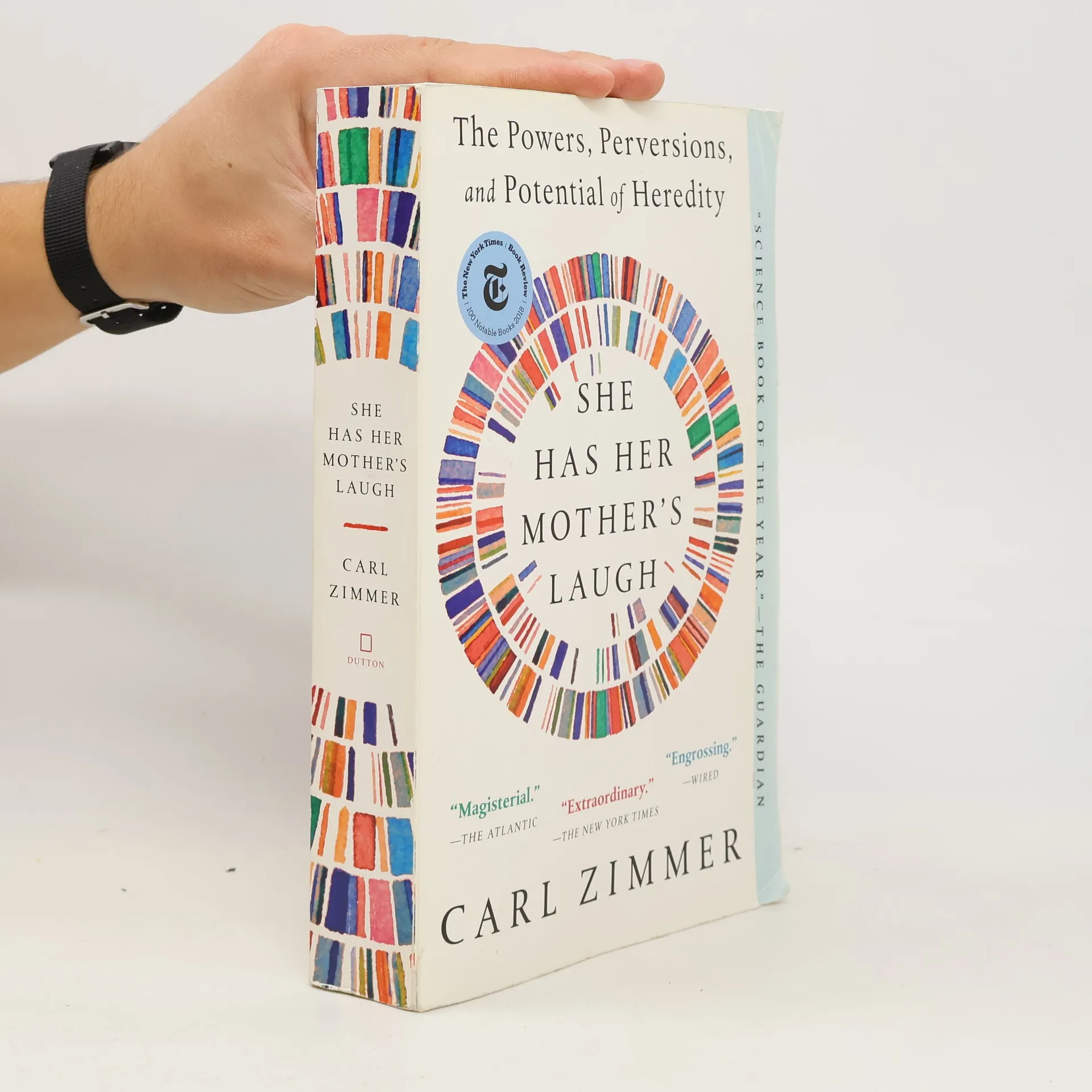
Celebrated New York Times columnist and science writer Carl Zimmer offers a fresh perspective on heredity and what we transmit across generations. While Charles Darwin significantly contributed to the scientific inquiry of heredity, he did not fully answer the question. The emergence of genetics in the early 1900s seemed to provide clarity, leading many to translate traditional views of heredity into genetic terms. As genetic testing became more accessible, millions sought to connect with lost relatives and understand their ethnic backgrounds. However, Zimmer emphasizes that our DNA is a complex mosaic, comprised of fragments from various ancestors, each with its own unique history. These fragments influence our traits in subtle ways, extending beyond mere genetic inheritance from parents. Heredity also manifests within our bodies, as a single cell proliferates into trillions, shaping who we are. We inherit not only genes but also critical elements like microbes and technologies that enhance our lives. Zimmer argues for a redefined understanding of heredity, blending historical context with contemporary scientific research, personal anecdotes, and original reporting. He addresses pressing bioethical issues stemming from new biomedical advancements, challenging long-held beliefs about identity and what we can pass on to future generations.
Zakup książki
She Has Her Mother's Laugh, Carl Zimmer
- Język

- Rok wydania
- 2019
- Oprawa
- (miękka)
Metody płatności
Brakuje nam tutaj Twojej recenzji.
- Tytuł
- She Has Her Mother's Laugh
- Język
- angielski
- Autorzy
- Carl Zimmer
- Wydawca
- Penguin
- Rok wydania
- 2019
- Oprawa
- miękka
- Liczba stron
- 672
- ISBN10
- 1101984619
- ISBN13
- 9781101984611
- Seria
- Kategorie
- Ocena
- 4,3 z 5
- Opis
- Celebrated New York Times columnist and science writer Carl Zimmer offers a fresh perspective on heredity and what we transmit across generations. While Charles Darwin significantly contributed to the scientific inquiry of heredity, he did not fully answer the question. The emergence of genetics in the early 1900s seemed to provide clarity, leading many to translate traditional views of heredity into genetic terms. As genetic testing became more accessible, millions sought to connect with lost relatives and understand their ethnic backgrounds. However, Zimmer emphasizes that our DNA is a complex mosaic, comprised of fragments from various ancestors, each with its own unique history. These fragments influence our traits in subtle ways, extending beyond mere genetic inheritance from parents. Heredity also manifests within our bodies, as a single cell proliferates into trillions, shaping who we are. We inherit not only genes but also critical elements like microbes and technologies that enhance our lives. Zimmer argues for a redefined understanding of heredity, blending historical context with contemporary scientific research, personal anecdotes, and original reporting. He addresses pressing bioethical issues stemming from new biomedical advancements, challenging long-held beliefs about identity and what we can pass on to future generations.